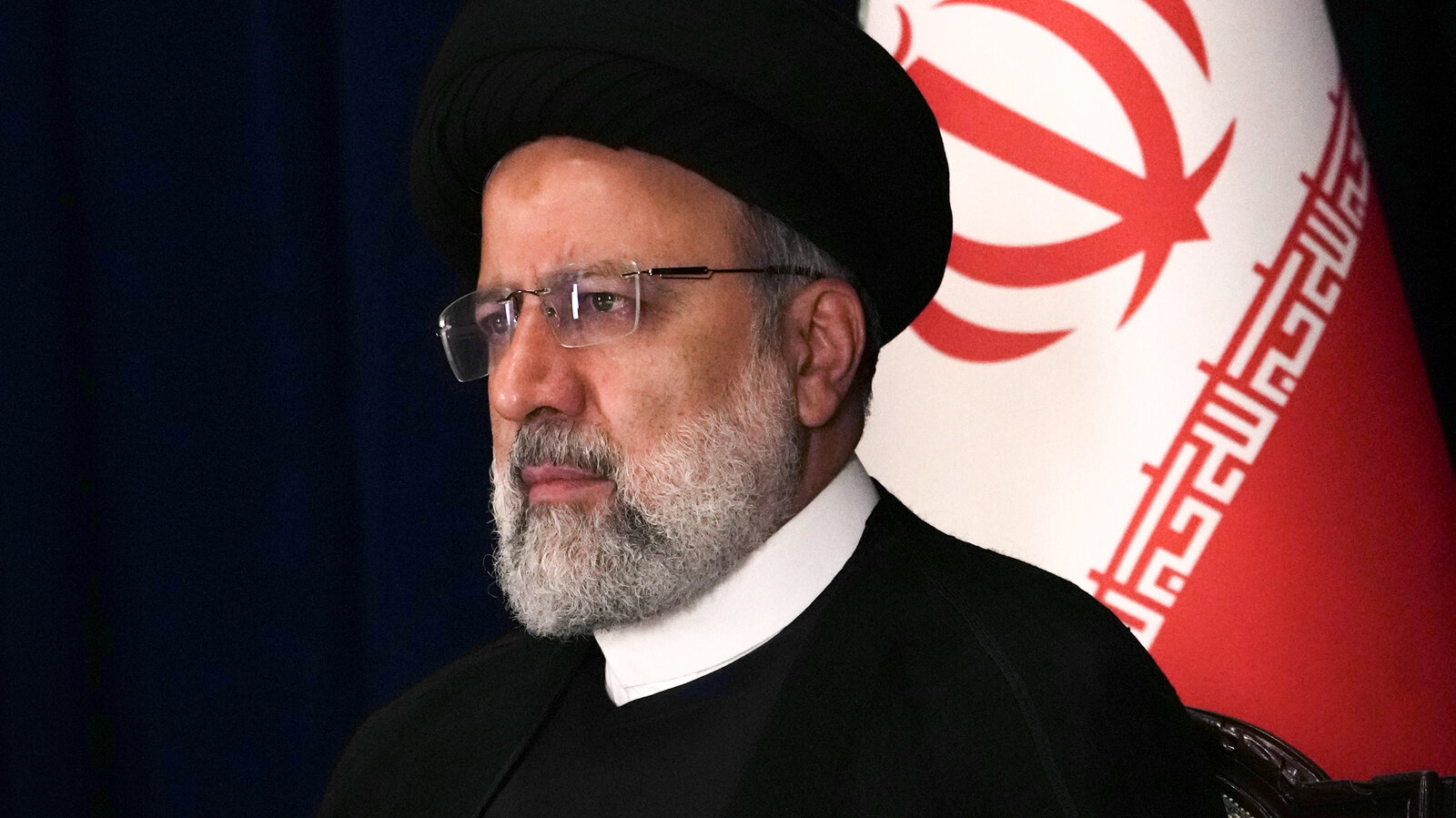
Iranian President Ibrahim Raisi called on the World Health Organization to take urgent and effective measures to confront what he deemed serious violations committed by the United States and Israel against the medical sector. Raisi emphasized that these violations negatively impact the lives of millions of people and hinder access to essential healthcare.
In his speech delivered at an international health conference, Raisi pointed out that the United States and Israel use military and political power to impose their control over the health systems of other countries, exacerbating humanitarian crises. He also urged member states of the World Health Organization to adopt a unified stance against these practices.
Event Details
Raisi's remarks come at a time of increasing tensions in the region, where many countries are facing political and economic pressures from major powers. The Iranian president noted that these pressures directly affect the ability of countries to provide healthcare services to their citizens.
Raisi also addressed the effects of the economic blockade imposed on Iran, which has significantly impacted the country's health system. He explained that U.S. sanctions have prevented the arrival of essential medicines and medical equipment, increasing the suffering of Iranian patients.
Background & Context
Historically, relations between Iran and the United States have been marked by ongoing tensions since the Islamic Revolution in 1979. These tensions have contributed to the imposition of economic sanctions on Iran, affecting all aspects of life, including the health sector. Additionally, conflicts in the region, particularly in Palestine and Syria, have complicated the health situation in the affected countries.
The World Health Organization is an international body aimed at promoting public health and combating diseases, but it faces significant challenges due to the political and economic pressures exerted by some major countries. Raisi's calls are seen as part of Iran's efforts to highlight the suffering of the region's peoples.
Impact & Consequences
Raisi's statements are likely to increase pressure on the World Health Organization to act more effectively against the violations faced by health systems in affected countries. These calls may also provoke reactions from other countries experiencing similar pressures.
Global health crises require international cooperation, and these calls could stimulate discussions on how to enhance cooperation among countries to address shared health challenges. They may also contribute to raising awareness about the impact of foreign policies on public health.
Regional Significance
Arab countries are significantly affected by the political and economic tensions in the region, with many suffering from health crises due to conflicts and wars. Raisi's calls may help shed light on this suffering, potentially leading to international actions to support these countries.
In conclusion, the question remains open regarding how the international community will respond to these calls and whether they will lead to tangible changes in global health policies.