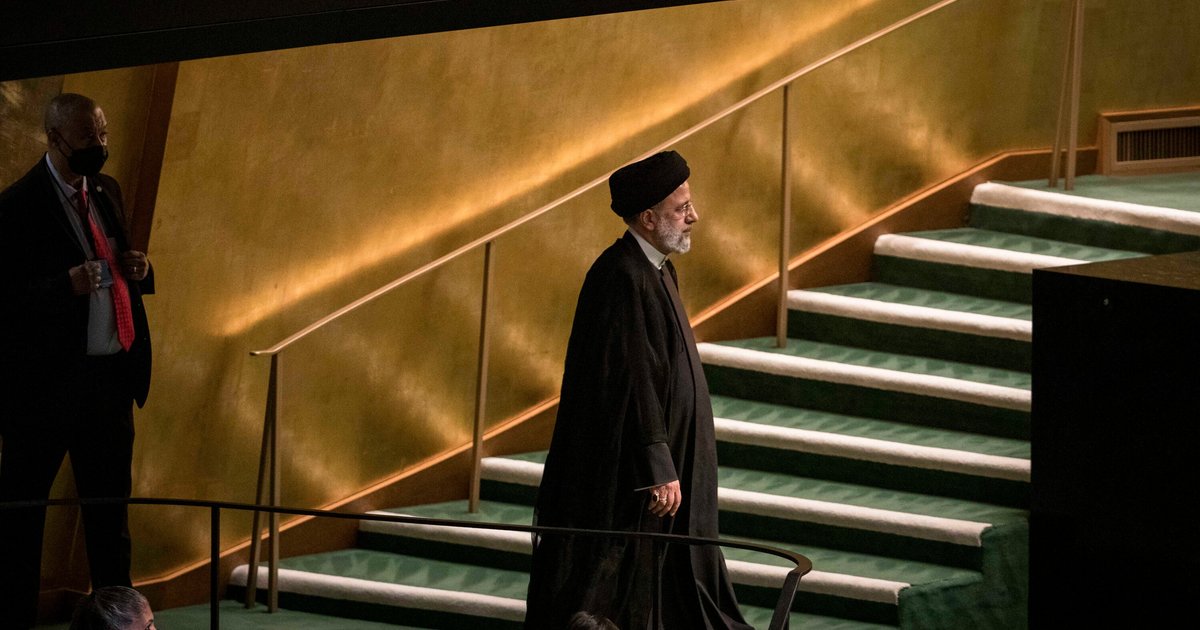
Iranian President Ibrahim Raisi stated that the American people are tired of the dominance exerted by 'Israeli kings,' highlighting its negative impact on international relations. This statement was made during a press conference where he criticized US policies in the Middle East and its support for Israel.
Raisi pointed out that the United States adopts policies that enhance Israel's influence in the region, leading to exacerbated crises and conflicts. He considered that these policies do not reflect the will of the American people but rather the interests of a minority of political and economic elites.
Details of the Event
During the conference, Raisi addressed several issues related to Iranian foreign policy, emphasizing the importance of strengthening relations with countries that oppose American dominance. He also called for Arab and Islamic unity to face common challenges, stressing the necessity of supporting Palestinian rights against Israeli occupation.
Raisi also touched upon the humanitarian crises faced by some Arab countries, indicating that Iran is ready to provide support and assistance to achieve stability in the region.
Background & Context
Raisi's statements come at a time when the Middle East is witnessing increasing tensions, especially following the recent escalation in the Israeli-Palestinian conflict. US-Israeli relations have notably improved in recent years, which has drawn widespread criticism from many Arab and Islamic countries.
Historically, Iran has consistently criticized US policies in the region, viewing them as aimed at enhancing Israeli influence at the expense of Arab peoples' rights. Relations between Iran and the United States have been marked by ongoing tensions since the Islamic Revolution in 1979.
Impact & Consequences
Analysts expect Raisi's statements to increase tensions between Iran and the United States, particularly under the current circumstances. These statements may also affect relations between Iran and Arab countries, as some nations seek to improve their ties with Washington.
It is likely that these remarks will escalate political rhetoric in the region, potentially impacting the security and economic situations in the concerned countries. There are also fears that these tensions could lead to military escalation in certain areas.
Regional Significance
Raisi's statements serve as a call for Arab countries to unify their efforts in facing common challenges. These remarks may elicit varied reactions among Arab nations, as some may find themselves in a difficult position between supporting Iran or maintaining their relations with the United States.
Ultimately, the question remains about how these statements will affect the future of relations in the region and whether they will lead to significant changes in regional and international policies.