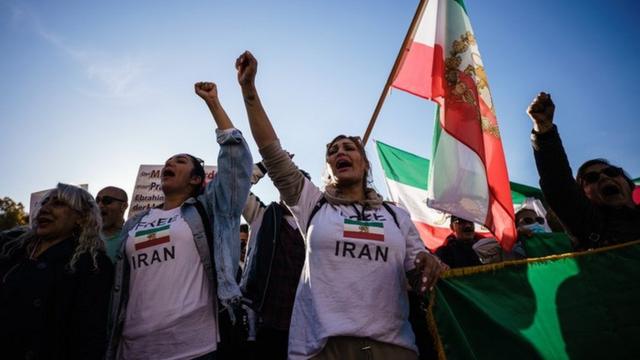
Iran is currently experiencing a surge in popular protests, where citizens are expressing their anger over mismanagement and rampant corruption in the country. These demonstrations reflect a general dissatisfaction with the ruling elite, who cling to their power over a faltering economy, raising questions about their ability to continue facing these pressures.
Protests are escalating in various Iranian cities, with citizens taking to the streets demanding improvements in economic conditions and a crackdown on corruption. Reports indicate that these protests are not merely a fleeting reaction but rather the result of long-standing frustrations and poverty experienced by the Iranian people.
Details of the Protests
These protests coincide with the deteriorating economic situation in Iran, where statistics indicate that the inflation rate has surpassed 40%, significantly impacting citizens' purchasing power. Unemployment is also continuously rising, exacerbating public discontent. In this context, the Iranian elite, including the Revolutionary Guard, continue to control key sectors of the economy, raising questions about their ability to maintain this status quo.
Despite public pressures, the ruling elite remain steadfast in their grip on power, attempting to use force to suppress the protests. The government has shown resilience in dealing with these crises, but it faces significant challenges in convincing the public that improvements are on the horizon.
Background & Context
Historically, Iran has witnessed numerous popular protests, but the current demonstrations occur under extremely challenging economic conditions. Since the United States withdrew from the nuclear agreement in 2018, harsh economic sanctions have been imposed on Iran, exacerbating the economic situation. These sanctions have directly impacted vital sectors such as oil and trade, increasing the suffering of the Iranian people.
Moreover, the rampant corruption within government institutions fuels citizens' frustration. Multiple reports have indicated manipulation of economic resources, undermining trust in the ruling system and intensifying public demands.
Impact & Consequences
If the protests continue to escalate, it could lead to radical changes in the Iranian political landscape. The ruling elite may be forced to take serious steps to address economic conditions and improve citizens' living standards. Should they fail to do so, they risk losing control over the Iranian street.
Furthermore, these protests could affect Iran's relations with other countries, especially amid increasing international pressures. Western nations may seek to exploit these circumstances to pressure the Iranian regime, complicating the internal situation further.
Regional Significance
The events in Iran pose a concern for neighboring Arab countries, as any political changes in Tehran could have direct implications for regional stability. The escalation of protests may also encourage opposition movements in other nations, increasing instability in the region.
At the same time, some Arab countries may seek to strengthen their ties with Iran in an attempt to exploit the situation to their advantage, further complicating the regional landscape.
In conclusion, the question remains: how long can the Iranian elite withstand the increasing public pressures? The current situation demands a swift and effective response from the government; otherwise, the consequences could be dire for all involved.