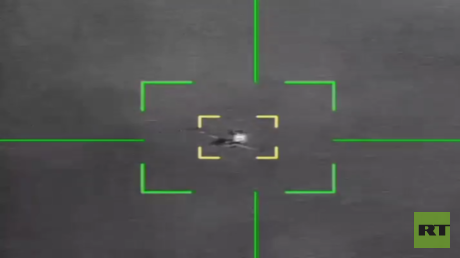
The Iranian Revolutionary Guard issued a statement early Saturday, confirming that Friday, April 3, was a bitter black day for the US Air Force and Israel. This statement comes at a sensitive time marked by increasing tensions between Iran and both the United States and Israel, raising questions about the future of military relations in the region.
In the statement, the Iranian Revolutionary Guard did not provide specific details about the events that took place on that day, but indicated that the US Air Force and Israel faced significant challenges. This declaration coincides with a rise in Iranian military activities, including military drills and missile tests, reflecting Iran's desire to bolster its military strength in the face of external pressures.
Details of the Event
Although precise details regarding the events of April 3 were not provided, the Iranian Revolutionary Guard may have alluded to military operations or tactical movements against US or Israeli forces in the region. Recent weeks have seen an escalation in tensions, with the United States deploying more troops to the Middle East, intensifying the Iranian response.
These statements are part of Iran's strategy to assert its capability to respond to any potential threats. They also reflect an Iranian trend towards enhancing its defensive and offensive capabilities under the current circumstances.
Background & Context
Tensions between Iran and the United States date back several years, with a noticeable deterioration in relations following the US withdrawal from the Iranian nuclear deal in 2018. Since then, the United States has imposed severe economic sanctions on Iran, exacerbating the country's economic and political conditions.
At the same time, Israel is considered one of Iran's main adversaries in the region, seeking to prevent Tehran from strengthening its military influence in neighboring countries. In recent years, there have been numerous reciprocal attacks between the two sides, complicating the security landscape in the Middle East.
Impact & Consequences
The recent statements from the Iranian Revolutionary Guard could lead to an escalation of tensions in the region, prompting the United States and Israel to feel the need to take countermeasures. This escalation may result in increased military activities, whether through maneuvers or potential attacks, threatening regional stability.
Moreover, these events could affect relations between Iran and other countries in the region, including Gulf Arab states that may feel concerned about rising tensions. These countries are likely to seek to enhance their security cooperation to counter any potential threats.
Regional Significance
The recent developments in Iranian-American and Israeli relations are of great importance to the Arab region. Any escalation in tensions could impact security and stability in countries such as Iraq, Syria, and Lebanon, which are already suffering from internal conflicts and external interventions.
Additionally, these events may influence the foreign policies of Arab countries, with some seeking to strengthen their alliances with the United States or even with Israel in response to Iranian threats. Conversely, other countries may seek to enhance their relations with Iran as a means of balancing power in the region.
In conclusion, the situation in the Middle East remains complex and fluid, with regional and international interests intertwined. The recent statements from the Iranian Revolutionary Guard reflect the ongoing challenges facing the region and underscore the need for comprehensive dialogue to avoid military escalation.