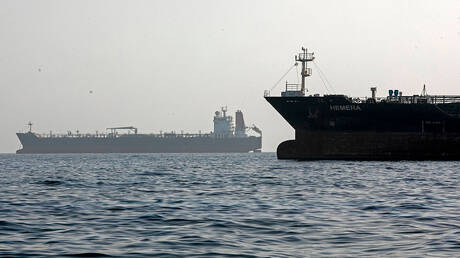
The Iranian Revolutionary Guard has declared that it is exercising 'smart control' over the Strait of Hormuz, reflecting its strategy to strengthen its grip on this crucial waterway. The Iranian forces confirmed that 26 commercial vessels and oil tankers have traversed the safe passage of the strait in the past 24 hours, demonstrating the effectiveness of the measures taken to ensure navigation safety in the region.
The Strait of Hormuz is a strategic transit point, through which approximately 20% of the world's total oil passes. These statements come at a time when tensions between Iran and the United States are escalating, increasing the significance of Iranian control over this area.
Details of the Announcement
In a move that reflects the strength of the Iranian Revolutionary Guard, a spokesperson for the naval forces announced that operations in the Strait of Hormuz aim to ensure navigation safety and protect Iranian interests. He noted that vessels crossing the strait are under close surveillance, with strict measures taken against any potential violations.
The spokesperson also added that the Revolutionary Guard is prepared to deal with any threats that may face commercial ships, showcasing its readiness to enhance security in the region. This announcement comes at a sensitive time, as concerns about escalating tensions in the Arabian Gulf are on the rise.
Background & Context
Historically, the Strait of Hormuz has attracted international attention due to its economic and political importance. In recent years, the region has witnessed increasing tensions due to regional conflicts and sanctions imposed on Iran. Iran has sought to bolster its military presence in the area as a means of exerting pressure on Western nations.
Control over the Strait of Hormuz is part of Iran's strategy to enhance its influence in the Arabian Gulf, as it seeks to assert its presence as a regional power. The area has seen several maritime incidents in recent years, which have heightened the importance of these statements.
Impact & Consequences
Iran's control over the Strait of Hormuz raises concerns among Western nations, as any escalation in the region could have negative repercussions on global oil prices. Additionally, these statements may lead to increased tensions between Iran and neighboring countries, threatening regional stability.
Furthermore, the bolstering of Iranian control over the strait could prompt other nations to take countermeasures, increasing the likelihood of maritime conflicts in the future. This situation necessitates close monitoring by the international community.
Regional Significance
The events in the Strait of Hormuz have significant implications for Arab countries, as many of these nations rely on oil that passes through this corridor. Any escalation in the region could impact oil supplies and energy prices, adversely affecting Arab economies.
Moreover, tensions in the Strait of Hormuz may lead to increased divisions among Arab nations, as positions towards Iran may vary. This situation requires greater coordination among Arab states to ensure navigation safety in the region.
In conclusion, the Strait of Hormuz remains a pivotal point in regional and international politics, and the current situation demands careful monitoring from all concerned parties.