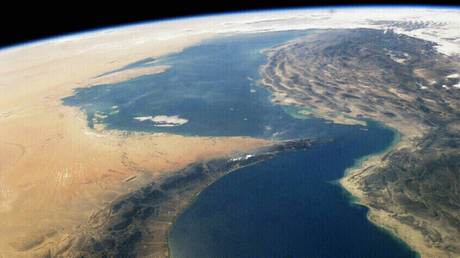
The naval forces of the Iranian Revolutionary Guard have announced their complete control over the movement of oil tankers and commercial ships in the Strait of Hormuz, where 35 vessels, including oil tankers and container ships, passed in the last 24 hours. This action follows coordination with the Iranian side, reflecting the Revolutionary Guard's capability to manage this vital waterway.
The Strait of Hormuz is considered one of the most important maritime passages in the world, with approximately 20% of the world's total oil passing through it. Control over this strait signifies a substantial impact on global oil markets, raising concerns among oil-importing nations.
Details of the Event
These developments come at a time of increasing tensions in the region, with military activities escalating in the Gulf waters. The Revolutionary Guard's naval forces confirmed they are working to secure maritime routes and ensure the safety of vessels crossing the strait. A spokesperson for the Revolutionary Guard indicated that these operations are part of protecting Iranian national interests.
In recent years, the Strait of Hormuz has witnessed numerous maritime incidents, including attacks on oil tankers, intensifying tensions between Iran and Western nations. These events have led to an increased American military presence in the region, as Washington seeks to ensure freedom of navigation in these strategic waters.
Background & Context
Historically, the Strait of Hormuz has been a flashpoint for many regional and international conflicts. Since 1979, when Iran experienced an Islamic Revolution, relations between Iran and Western countries have become increasingly strained. These tensions often affect global trade movements, particularly in the energy sector.
Iran, for its part, continuously seeks to enhance its influence in the region, viewing control over the Strait of Hormuz as a key part of its strategy. In recent years, Iran has utilized this control as leverage against Western nations, especially amid imposed sanctions.
Impact & Consequences
The Iranian control over oil tanker movements in the Strait of Hormuz could lead to significant impacts on global oil prices. Any disruption in navigation could raise oil prices, affecting the global economy. Oil-importing countries, such as China and the United States, may face challenges in securing their supplies.
Furthermore, this situation could escalate military tensions in the region, as Western nations might seek to bolster their military presence in the Gulf. This could increase the likelihood of unexpected incidents, threatening regional stability.
Regional Significance
For Arab nations, Iranian control over the Strait of Hormuz poses a direct threat to their economic security. Many Gulf countries heavily rely on exporting oil through this strait, and any disruption could negatively impact their economies.
These developments may also lead to increased military cooperation between Arab nations and the United States, as these countries strive to secure maritime trade routes. At the same time, it may heighten political divisions in the region, as perspectives on how to address Iranian threats vary.
In conclusion, the Strait of Hormuz remains a vital focal point in global politics, and any change in its control could have far-reaching implications for security and stability in the region.