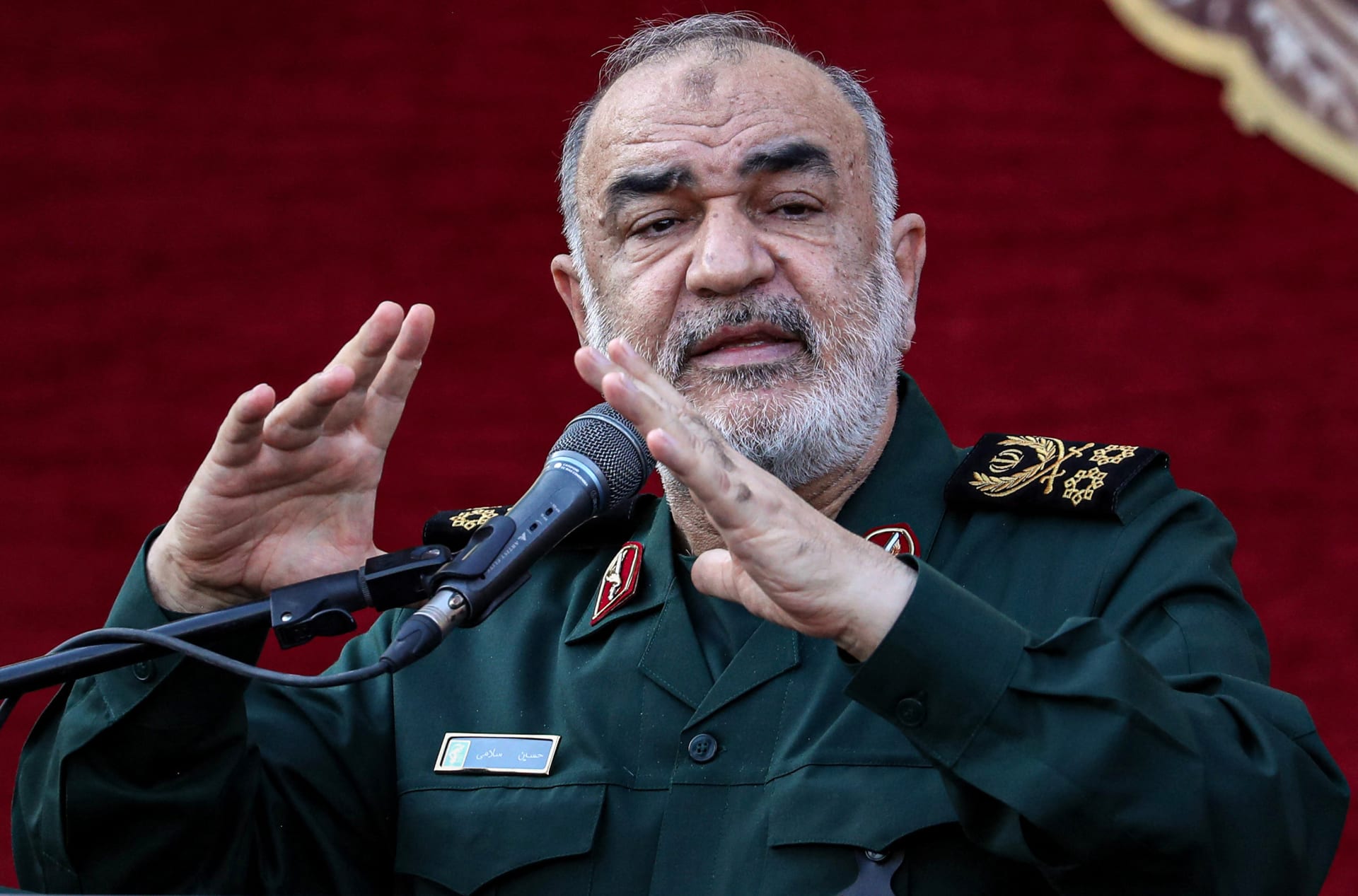
The Iranian Revolutionary Guard announced on Friday that it successfully returned three ships attempting to cross the Strait of Hormuz, indicating that this waterway is closed to vessels heading to ports associated with Iran's enemies. The Revolutionary Guard stated on its website that this operation came after warnings were issued to the ships by its naval forces.
In more detail, the Revolutionary Guard said: "This morning, following statements from the U.S. President claiming that the Strait of Hormuz is open, three container ships of different nationalities were turned back after warnings from the Iranian navy." The statement added that "the movement of any ship to and from the ports of allies and friends of American and Zionist enemies is completely prohibited."
Details of the Incident
This action comes at a sensitive time, as the market information company Kepler reported two vessels belonging to the Chinese company COSCO that attempted to cross the strait but retreated after Iranian warnings. The Strait of Hormuz is considered one of the most important waterways in the world, through which approximately 20% of the world's total oil passes.
Through these measures, Iran seeks to assert its control over vital waterways, especially amid rising tensions with the United States and its allies in the region. In recent years, there has been an escalation in maritime tensions, with several commercial ships and oil tankers targeted in the area.
Background & Context
The Strait of Hormuz is a strategic point that connects the Arabian Gulf with the Gulf of Oman, forming a vital artery for global oil trade. Historically, the strait has witnessed numerous crises, including wars and conflicts between Iran and other countries. In recent years, tensions between Iran and the United States have intensified, especially following Washington's withdrawal from the Iranian nuclear deal in 2018.
Additionally, the exchanged statements between both sides, along with military maneuvers, have contributed to the heightened tensions in the region. Iran has repeatedly shown its readiness to use force to protect its interests in the strait, increasing international concerns about maritime navigation safety.
Impact & Consequences
These actions by the Iranian Revolutionary Guard serve as a strong message to the United States and its allies, as Iran seeks to impose its control over vital waterways. These events could lead to increased tensions in the region, potentially affecting global oil prices and increasing instability in energy markets.
Moreover, these steps may provoke reactions from major powers, particularly the United States, which may seek to increase its military presence in the region to protect its interests and those of its allies. This could lead to potential military escalation, raising risks for maritime navigation.
Regional Significance
The Arab countries are directly affected by the tensions in the Strait of Hormuz, as many of these nations rely on exporting oil through this passage. Any escalation in tensions could impact oil supplies and lead to price increases, negatively affecting Arab economies.
Furthermore, Arab countries, especially those with close ties to the United States, may find themselves in a difficult position between supporting their allies or trying to maintain good relations with Iran. Ultimately, the Arab region remains at the heart of ongoing events, necessitating flexible strategies to address future challenges.