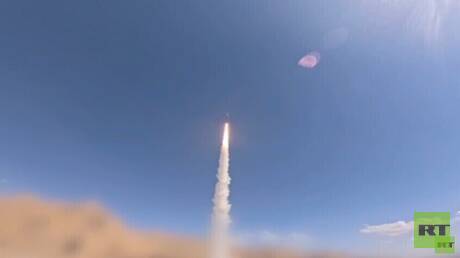
The Iranian Revolutionary Guard has announced the execution of airstrikes targeting American industrial facilities in both the United Arab Emirates and the Kingdom of Bahrain. Colonel Ibrahim Dhu al-Faqari, the spokesperson for the Central Command of Khatam al-Anbiya, confirmed that these strikes specifically targeted American steel factories in the UAE and an aluminum plant in Bahrain.
These military operations come at a sensitive time, as tensions between Iran and the United States are increasing, alongside rising regional crises in the Arabian Gulf. The strikes have elicited varied reactions from the international community, with some viewing them as a serious escalation in the ongoing conflict in the region.
Details of the Incident
According to official statements, the Iranian strikes targeted vital facilities that are part of the American economic infrastructure in the region. Dhu al-Faqari indicated that these operations are part of a response to what he described as hostile actions by the United States and its allies in the area.
No specific details have been disclosed regarding the damage inflicted on these facilities or the potential number of casualties. However, these strikes reflect Iran's strategy of using military force as a means to pressure its adversaries, especially under the current political circumstances.
Background & Context
Historically, Iranian-American relations have experienced ongoing tensions since the Islamic Revolution in 1979. These tensions have notably escalated in recent years, particularly following the United States' withdrawal from the Iranian nuclear deal in 2018. Since then, Washington has imposed severe economic sanctions on Tehran, exacerbating the economic and social conditions in the country.
In this context, Iran seeks to bolster its military strength as a means of defending its interests, and these strikes are considered part of its broader strategy to confront external pressures. Moreover, military escalation could have significant implications for regional security, especially given the presence of American military bases in the area.
Impact & Consequences
These strikes are expected to escalate tensions in the Gulf region, where the United States and its allies may respond to these attacks in various ways. Responses could include increasing the American military presence in the region or imposing new sanctions on Iran.
Additionally, these events may affect global oil markets, as any military escalation in the Gulf could lead to rising oil prices due to increased fears of supply disruptions. Consequently, the global economy could be directly impacted by these developments.
Regional Significance
The Gulf Arab states, including the UAE and Bahrain, are at the heart of the Iranian-American conflict. Therefore, any military escalation could affect the stability of these countries and heighten security concerns. These events may also lead to increased military cooperation between Gulf states and the United States to counter Iranian threats.
In conclusion, the recent Iranian strikes reflect a notable escalation in the ongoing conflict in the region, necessitating close monitoring by the international community. The rising tensions could lead to unforeseen outcomes, requiring urgent diplomatic efforts to prevent further deterioration of the situation.