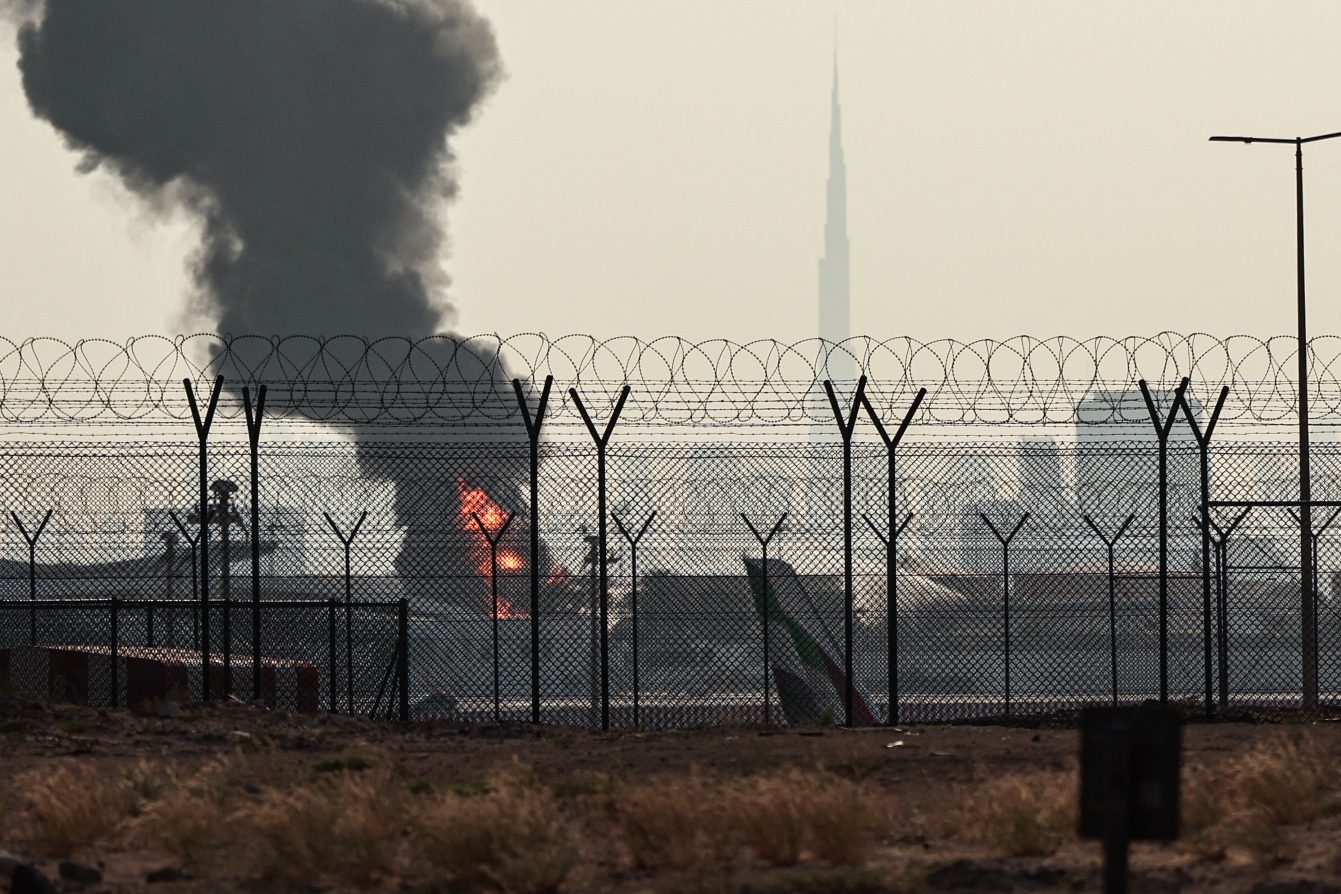
In a new development reflecting rising tensions in the Gulf region, the Iranian Revolutionary Guard announced its responsibility for a series of attacks targeting petrochemical plants in the UAE, Kuwait, and Bahrain. This announcement came in an official statement, where the Revolutionary Guard warned that attacks against American interests would increase if assaults on civilian targets persist.
These attacks come at a sensitive time, as the region is witnessing escalating tensions between Iran and the United States, alongside increasing regional conflicts. The attacks have raised widespread concern in Gulf countries, which heavily rely on the energy sector.
Details of the Incident
In the statement issued by the Revolutionary Guard, it was confirmed that the attacks targeted vital petrochemical plants, reflecting a new strategy that Iran may adopt in response to economic and military pressures. The statement indicated that these attacks are part of reactions to what the Revolutionary Guard perceives as repeated assaults by the United States and its allies in the region.
This move is considered a serious escalation, as attacks on vital facilities could lead to significant economic repercussions for Gulf countries, which depend on oil and petrochemical exports as a primary source of revenue. These statements have raised fears of military reactions from the United States, which may seek to protect its interests in the region.
Background & Context
Historically, the Gulf region has experienced repeated tensions between Iran and the Arab Gulf states, especially following the United States' withdrawal from the Iranian nuclear deal in 2018. These tensions have increased with the imposition of strict economic sanctions on Iran, prompting it to take escalatory steps in the region.
In recent years, many oil facilities in Saudi Arabia and the UAE have been subjected to attacks, exacerbating security conditions in the Gulf. The Iranian Revolutionary Guard is considered one of the key players in this dynamic, as it seeks to enhance its influence in the region by targeting American interests and those of its allies.
Impact & Consequences
The impact of these attacks may extend beyond the region, as they could lead to a rise in global oil prices due to instability in the Gulf. Additionally, these events may increase military tensions between Iran and the United States, potentially dragging the region into a wider conflict.
On the other hand, these developments could affect relations among Arab Gulf states, as some countries may be forced to reassess their security and economic strategies in light of these escalating threats. There are also concerns that these events could lead to the intensification of internal conflicts in some Gulf states.
Regional Significance
The recent events in the Gulf serve as a wake-up call for Arab countries, as stability in the region is closely linked to regional security. Escalations between Iran and Gulf states could have negative repercussions on Arab national security, necessitating a united Arab effort to confront these challenges.
In conclusion, these events highlight the importance of enhancing security and economic cooperation among Arab countries to address increasing threats and ensure regional stability. The current situation requires an immediate response from Arab nations to safeguard their interests and security.