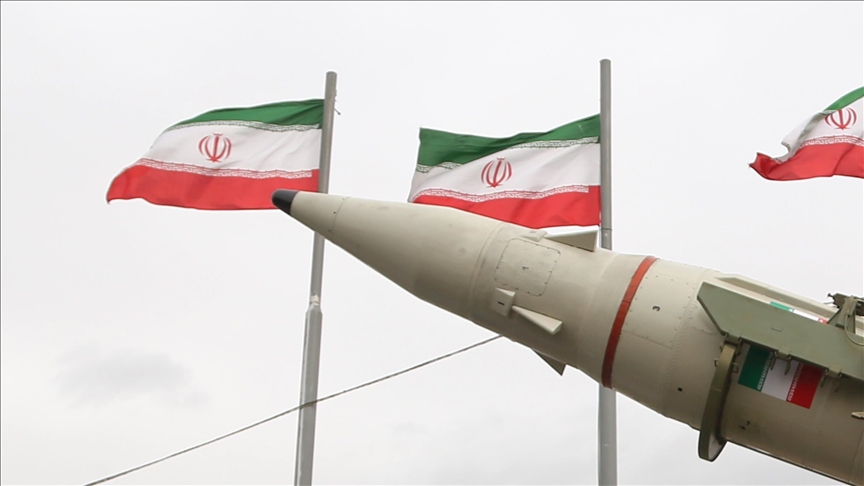
The threats issued by the Iranian Revolutionary Guard against major US tech companies raise concerns about the security of the growing digital infrastructure in the Gulf region. This escalation comes at a time when the Gulf is witnessing massive investments in digital technology, putting trillions of dollars in investments at risk.
Amid increasing tensions between Iran and the United States, the Iranian Revolutionary Guard announced its intentions to target major tech companies, raising alarm among investors and analysts about the future of investments in the region. These threats serve as a clear warning of the potential targeting of digital systems that many Gulf countries rely on.
Details of the Threat
Concerns are growing that these threats could destabilize the digital market in the Gulf, as Gulf countries continue to enhance their digital infrastructure. Many experts have pointed out that any potential attack on these companies could have severe consequences for both the regional and global economy.
Companies like Google, Facebook, and Amazon are considered potential targets, as many digital services in the Gulf depend on the technologies of these companies. Gulf governments have expressed their willingness to cooperate with these companies to protect their interests, but Iranian threats may complicate these efforts.
Background & Context
Historically, the Gulf region has seen increasing tensions between Iran and Western countries, particularly the United States. These tensions stem from several factors, including Iran's nuclear program and Tehran's support for armed groups in the region. In recent years, Iran has ramped up its activities in cyberspace, making it a potential threat to the digital infrastructure of neighboring countries.
In this context, the digital infrastructure in the Gulf is pivotal for economic growth, as Gulf countries seek to diversify their economies away from oil. However, Iranian threats could hinder these efforts and negatively impact foreign investments.
Impact & Consequences
If Iranian threats persist, they could lead to a decline in investments in the digital sector in the Gulf. This sector is one of the main drivers of economic growth in the region, and any downturn could affect overall growth. Additionally, these threats may lead to increased spending on cybersecurity, adding an extra burden to national budgets.
Moreover, these tensions could exacerbate relations between Iran and Gulf countries, increasing instability in the region. Should any actual attack occur, international reactions could be severe, further complicating the situation.
Regional Significance
The Gulf region is a vital center for digital technology in the Arab world, and any threats to the security of this infrastructure could affect other Arab countries. Many Arab nations rely on Gulf investments to develop their digital infrastructure, and any decline in these investments could negatively impact economic growth in the region.
Ultimately, the current situation requires greater coordination between Gulf countries and major tech companies to protect their interests. There must be clear strategies to counter Iranian threats and ensure the continuity of growth in the digital sector.