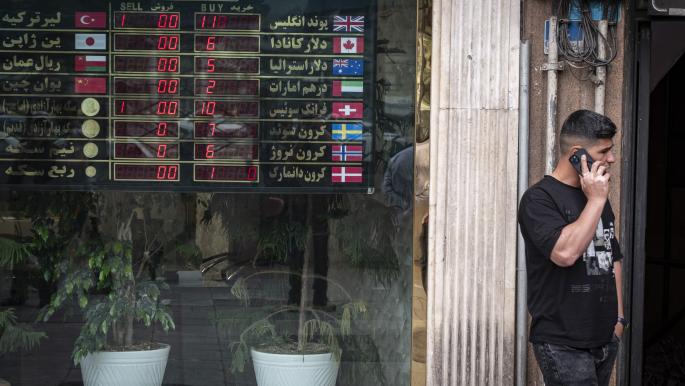
The Iranian national currency, the rial, has recorded its lowest level ever against the US dollar on Wednesday, according to specialized currency monitoring websites. This sharp decline comes as economic pressures on Iran persist due to the ongoing American blockade targeting the country's ports, significantly affecting its ability to import essential goods.
Reports indicate that the Iranian rial has fallen to new record lows, with the price of one dollar surpassing 500,000 rials. This drop reflects the significant economic challenges facing Iran, including high inflation and rising unemployment.
Details of the Event
This financial crisis is considered one of the worst Iran has faced in recent years, as the US sanctions imposed since 2018 have severely impacted the Iranian economy. These sanctions have led to a reduction in Iranian oil exports, which represent the main source of government revenue, thereby increasing pressure on the national currency.
The decline in the value of the rial negatively affects the lives of citizens, as food prices and essential goods have risen sharply, exacerbating the suffering of the poor and middle classes in the country. Iranians are grappling with rising living costs, amid a lack of radical solutions from the government to address these challenges.
Background & Context
Since the US withdrawal from the Iranian nuclear deal in 2018, Washington has imposed a series of economic sanctions on Tehran, leading to a deterioration of the economic situation in the country. These sanctions have added to the political and economic instability, making it difficult for the Iranian government to take effective steps to improve the situation.
Historically, the Iranian rial has experienced sharp fluctuations in its value, but the current decline is the deepest and most impactful on the economy. The Iranian government has repeatedly attempted to intervene in the foreign exchange market, but these efforts have failed to restore confidence in the national currency.
Impact & Consequences
The repercussions of the decline in the value of the Iranian rial extend beyond economic borders, affecting social and political stability in the country. The rise in prices has led to popular protests in several cities, where citizens express their dissatisfaction with the deteriorating economic situation.
Additionally, the depreciation of the currency may impact Iran's trade relations with other countries, as it becomes increasingly difficult for Iran to import necessary goods. This could exacerbate the economic crisis and increase Iran's isolation on the international stage.
Regional Significance
The economic crisis in Iran has direct implications for the Arab region, as it could lead to increased political tensions in neighboring countries. The decline in the value of the rial may also encourage smuggling and illegal trade across borders, affecting security and stability in the region.
At the same time, some Arab countries may benefit from the current situation, as opportunities for trade and investment could increase amid the declining competitiveness of Iranian products. However, these countries must be cautious of the potential repercussions of the Iranian crisis on regional stability.