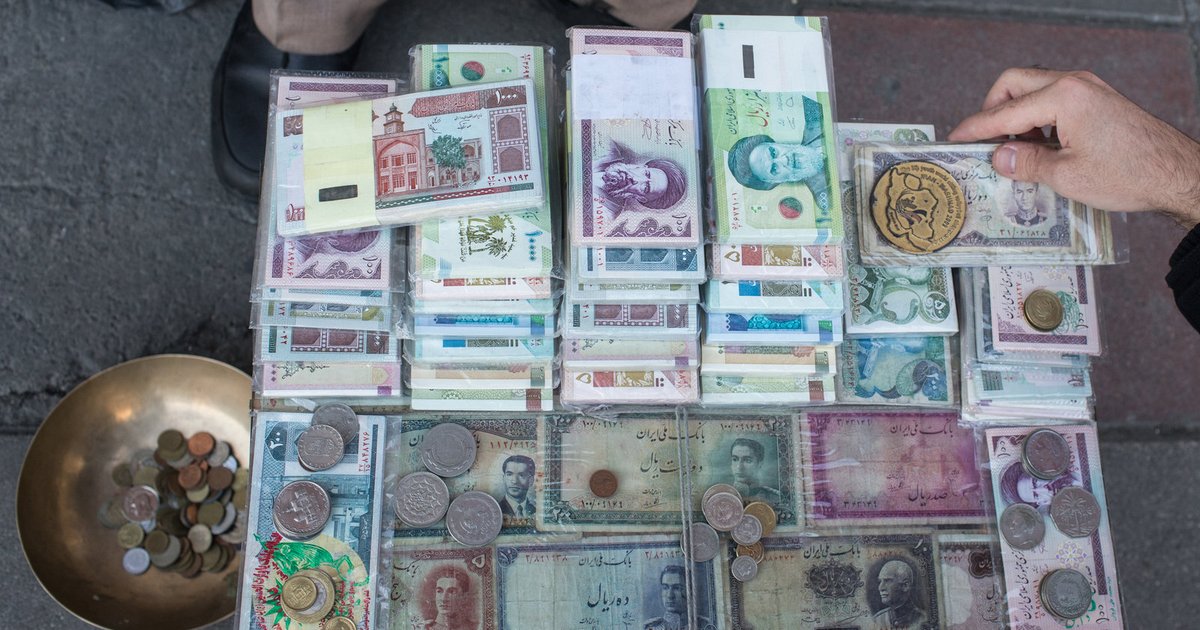
The Iranian currency, the rial, has hit an all-time low, with the exchange rate of the US dollar surpassing 500,000 rials. This crisis unfolds against the backdrop of a fragile ceasefire between Iran on one side and the United States and Israel on the other, complicating the economic situation in the country.
Pressure on the Iranian rial is mounting as the economy suffers from stringent economic sanctions imposed by the United States, coupled with deteriorating internal conditions. These factors have significantly impacted the purchasing power of Iranian citizens, exacerbating social and economic crises.
Details of the Event
In recent days, Iranian markets have experienced turmoil, with prices of essential goods rising sharply. According to reports, the current ceasefire between Iran and the United States and Israel remains fragile, raising concerns about the stability of the national currency. This situation reflects a lack of confidence in the Iranian government's ability to manage economic conditions effectively.
These crises coincide with increasing public protests in Iran, where citizens express their dissatisfaction with declining living conditions. Analysts have pointed out that the continuation of this ceasefire could have negative effects on the Iranian economy, especially if a comprehensive agreement with major powers is not reached.
Background & Context
Historically, Iran has experienced significant economic fluctuations due to international sanctions that began in 1979 following the Islamic Revolution. These sanctions have led to a deterioration of the economic situation, making the Iranian rial vulnerable to sharp fluctuations. In recent years, economic pressures have intensified due to the United States' withdrawal from the nuclear deal in 2018, exacerbating economic crises.
In this context, the current ceasefire with the United States and Israel is seen as an attempt to ease tensions, but it remains unstable. Recent events have shown that any escalation in tensions could lead to further pressures on the Iranian currency.
Impact & Consequences
The repercussions of the decline of the Iranian rial extend beyond national borders, affecting regional stability. With increasing economic crises, Iran may face heightened tensions with its neighbors, raising the likelihood of explosive situations in the region. Additionally, the currency's decline could lead to rising inflation rates, negatively impacting citizens' lives.
Moreover, the continuation of economic pressures may compel the Iranian government to take harsh measures, potentially worsening social crises. Experts have warned that any escalation in economic crises could have catastrophic consequences at the regional level.
Regional Significance
The economic situation in Iran is of particular importance to the Arab region, as it may affect stability in neighboring countries. With the deterioration of economic conditions, migration from Iran to Arab countries may increase, adding pressure on these nations. Furthermore, any escalation in tensions could impact regional security, necessitating the attention of Arab states.
In conclusion, the current situation in Iran requires close monitoring by the international community, as any new developments could significantly affect the economic and political landscape in the region.