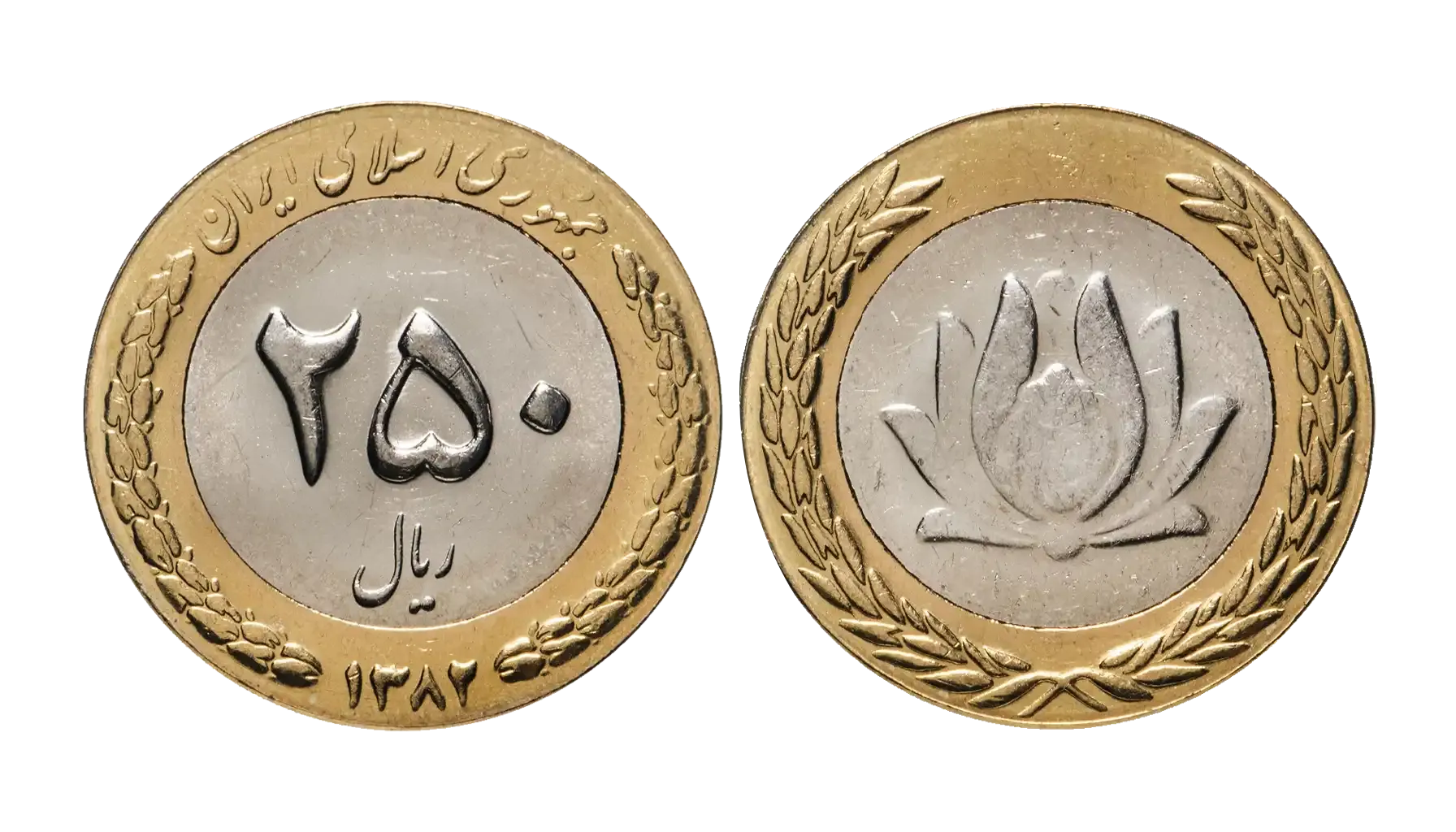
The Iranian rial has dropped to unprecedented historical levels, highlighting the multiple crises afflicting the Iranian economy. This collapse occurs at a sensitive time, as concerns grow over its implications for social and political stability in the country.
Reports indicate that the rial has lost a significant portion of its value, increasing pressure on citizens who are already suffering from rising prices and shortages of essential goods. This situation underscores the fragility of the ceasefire in regional conflicts and suggests that economic conditions may be more complex than they appear.
Details of the Event
In recent days, the Iranian rial has experienced a sharp decline, with the value of one dollar surpassing 500,000 rials. This figure reflects a significant deterioration in the Iranian economy, which is grappling with international sanctions and internal crises. Data has shown that this decline was not unexpected but rather a result of the accumulation of economic and political crises over the years.
There are growing fears that this collapse could lead to a new wave of popular protests, as citizens express their dissatisfaction with the deteriorating economic conditions. Iran has witnessed several waves of protests in recent years due to economic crises, raising concerns that this phenomenon may return once again.
Background & Context
Historically, Iran has experienced significant economic fluctuations, especially following the imposition of international sanctions due to its nuclear program. These sanctions have led to economic decline and rising inflation rates, directly affecting citizens' living standards. In recent years, there have been government attempts to improve the economic situation, but these efforts have not been sufficient to confront the major challenges facing the country.
Furthermore, the tense regional situation, including conflicts in the Middle East, adds to the economic pressures. These crises impact investments and increase instability, making it difficult for the Iranian government to achieve economic stability.
Impact & Consequences
The current collapse of the Iranian rial could have wide-ranging implications for the Iranian economy. This decline is expected to lead to increased inflation rates, which will affect citizens' purchasing power. Additionally, this situation may exacerbate social crises, as citizens might take to the streets to express their discontent.
Moreover, the currency's deterioration could impact trade relations with other countries. Iran may face difficulties in importing essential goods, further increasing pressures on the local economy. These challenges could worsen economic conditions, making it harder for the government to achieve stability.
Regional Significance
The economic collapse in Iran could also affect neighboring countries, as stability in Iran is considered a crucial factor for regional stability. The deterioration of economic conditions may lead to increased migration and asylum-seeking, impacting neighboring countries such as Iraq and Turkey. Additionally, economic crises in Iran could affect trade and economic relations between Arab countries and Iran.
Ultimately, the current situation in Iran requires international and regional attention, as Iran's stability is part of the overall stability of the region. It is essential for the Iranian government to take effective steps to address economic and social crises before matters escalate further.