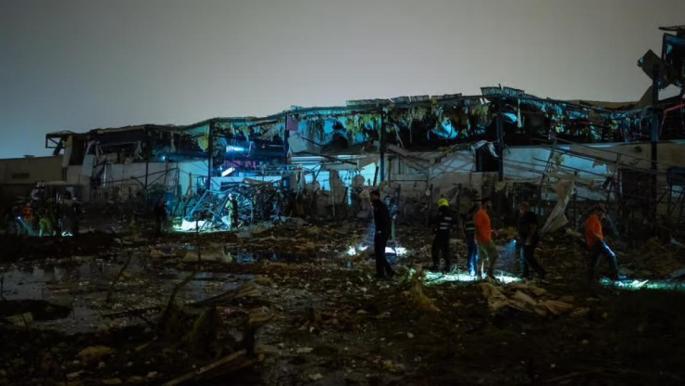
Tel Aviv has been facing daily rocket attacks from Iran since the onset of the conflict, targeting specific cities and towns. This raises questions about the motivations behind these operations.
Reports indicate that these attacks are part of Iran's response to escalating international and military pressures against it, as Tehran seems to aim to send a clear message that it is capable of inflicting painful strikes on its enemies in the region.
Details of the Attacks
Since the beginning of the conflict, Tel Aviv has witnessed a series of rocket attacks concentrated on specific areas, prompting questions about whether these attacks are part of a calculated strategy or merely random reactions. These attacks have been observed almost daily, reflecting a notable escalation in tensions between Iran and Israel.
These attacks involve the use of long-range missiles, enabling Iran to target vital areas in Israel. The attacks have led to a state of anxiety among the population, with increasing fears of escalating violence in the region.
Background & Context
Historically, the relationship between Iran and Israel has been marked by increasing tensions, with Iran considering Israel a primary enemy in the region. These attacks come at a sensitive time, as international pressures on Tehran are rising due to its nuclear program and regional policies.
The current escalation occurs amidst new alliances in the region, where some Arab countries are seeking to strengthen their relations with Israel, further intensifying tensions between Tehran and these nations. In this context, the rocket attacks can be viewed as part of an Iranian strategy to reaffirm its influence in the region.
Impact & Consequences
These attacks could lead to a greater escalation in the conflict between Iran and Israel, potentially dragging the region into a wider conflict. Furthermore, these attacks may affect the security stability in the area, as they could provoke military responses from the Israeli side.
Moreover, the continuation of these attacks could impact Iran's relations with Western countries, possibly leading to the imposition of further sanctions on Tehran, thereby increasing its international isolation.
Regional Significance
These developments are of significant importance to Arab countries, as they could affect regional security and stability. Should the conflict escalate, Arab nations may find themselves compelled to intervene or take clear stances, complicating the political landscape in the region.
Additionally, these attacks could lead to strengthened alliances between some Arab countries and Israel, as some may seek to enhance security cooperation to counter Iranian threats.
The ongoing Iranian rocket attacks on Tel Aviv reflect an escalation in regional tensions, necessitating close monitoring by the international community. These events could mark the beginning of a new phase of conflict in the region, requiring effective responses from the concerned nations to maintain security and stability.