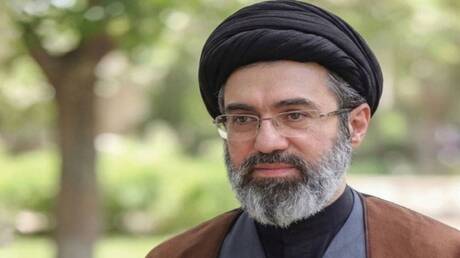
Iran's Supreme Leader, Ali Khamenei, mourned the assassination of intelligence chief Seyyed Majid Khademi, killed in what he termed a 'terrorist' attack by US-Israeli forces. This incident occurs at a sensitive time when tensions are rising between Iran and the United States and its allies, raising concerns about regional security.
Khademi, who held a prominent position in Iran's security apparatus, was considered a key figure in Iran's efforts to counter external threats. His assassination is a significant blow to the Iranian security establishment and reflects the increasing challenges Tehran faces amid growing international pressures.
Details of the Incident
The attack that led to Khademi's assassination occurred in an area believed to be under Iranian control, raising questions about how US and Israeli forces managed to successfully carry out this operation. Khamenei described the incident as a terrorist act, indicating that this attack reflects the hostility that the United States and Israel harbor towards Iran.
This incident is part of a series of attacks targeting prominent Iranian figures in recent years, reflecting a complex strategy aimed at undermining Iranian influence in the region. Many analysts have suggested that these operations may be supported by international intelligence agencies.
Background & Context
Historically, relations between Iran and the United States have been marked by severe tensions since the Islamic Revolution in 1979. These tensions have particularly escalated following the US withdrawal from the Iranian nuclear deal in 2018, which led to the imposition of severe economic sanctions on Tehran.
In recent years, Iran has increased its military and intelligence activities in the region, raising concerns among neighboring countries and the United States. Recent events have shown that Iran is prepared to respond to any threats, increasing the likelihood of escalating conflict in the region.
Impact & Consequences
Khademi's assassination may lead to heightened tensions between Iran and the United States and could provoke retaliatory reactions from Tehran. This incident is expected to strengthen the hardliners within the Iranian regime, increasing the likelihood of military actions against US or Israeli targets in the region.
Furthermore, this incident may affect relations between Iran and European countries, which are seeking to maintain dialogue with Tehran. It could complicate international diplomatic efforts aimed at containing Iran's nuclear program.
Regional Significance
This incident serves as a warning to Arab countries in the region, as it may lead to increased security tensions. Neighboring countries to Iran, such as Iraq and Syria, may experience direct impacts as military activities in those areas could escalate.
Moreover, this incident could affect regional stability, complicating security situations in the Middle East. Arab countries may need to reassess their security strategies in light of these rapid developments.
The assassination of Seyyed Majid Khademi reflects the increasing tensions in the region and underscores the importance of monitoring security and political developments in the Middle East. Under these circumstances, there remains hope that the international community can find diplomatic solutions to ease tensions.