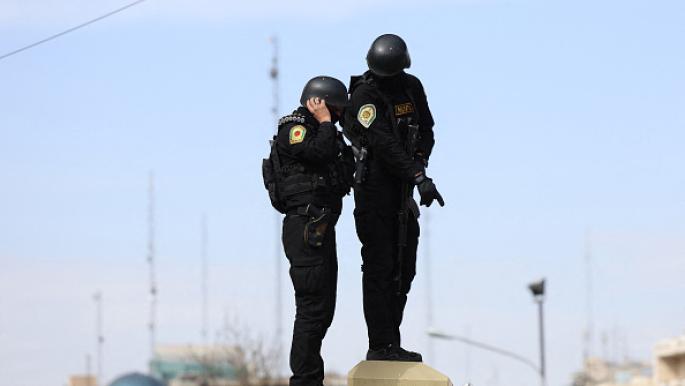
Iranian authorities announced on Wednesday the execution of a series of security operations across several provinces, resulting in the seizure of advanced spying equipment and the arrest of dozens of individuals. These measures come amid rising tensions in the country, reflecting the security challenges Iran faces.
According to official reports, the operations were carried out in multiple areas, where advanced spying devices were seized, highlighting the Iranian security forces' ability to monitor suspicious activities. Sources indicated that the arrests included individuals suspected of involvement in espionage activities on behalf of foreign entities, reflecting Iran's concern over potential security threats.
Details of the Operations
Reports indicate that the security operations included raids on homes and offices in several Iranian cities. Equipment seized included listening devices and advanced surveillance cameras, indicating a high level of planning and organization by the detained individuals. Additionally, information revealed that some detainees were working in sensitive fields, increasing the severity of the situation.
These operations come at a time when fears of espionage activities in Iran are escalating, especially with the rise of regional and international tensions. Security measures in the country have been intensified to address these challenges, as the government seeks to protect its national security and internal stability.
Background & Context
Historically, Iran has witnessed numerous espionage operations targeting government and security institutions. In recent years, concerns have grown over espionage activities conducted by hostile nations, prompting the government to take stringent measures to combat this phenomenon. Previous reports of similar arrests reflect the ongoing security threats the country faces.
Moreover, political tensions in the region, including conflicts with some neighboring countries, have contributed to heightened security awareness among Iranian authorities. These operations are considered part of a broader strategy to enhance internal security and confront external challenges.
Impact & Consequences
These security operations could bolster confidence in the Iranian government's ability to protect its national security. However, they may also raise concerns among citizens regarding personal freedoms and human rights. Mass arrests could provoke negative reactions from human rights organizations, potentially affecting Iran's international image.
Furthermore, these measures may escalate tensions with countries believed to be involved in espionage activities, complicating diplomatic relations. At the same time, these operations could encourage enhanced security cooperation between Iran and other countries sharing similar concerns.
Regional Significance
These events are particularly significant for the Arab region, as they reflect the common security challenges faced by many countries. Tensions between Iran and Gulf Arab states could lead to widespread security repercussions, necessitating Arab nations to bolster their security capabilities and collaborate to address these threats.
Additionally, these operations may impact relations between Iran and Arab countries, potentially leading to further division or new opportunities for cooperation in security and counter-espionage. Ultimately, these developments remain under scrutiny as observers monitor their impact on security and stability in the region.