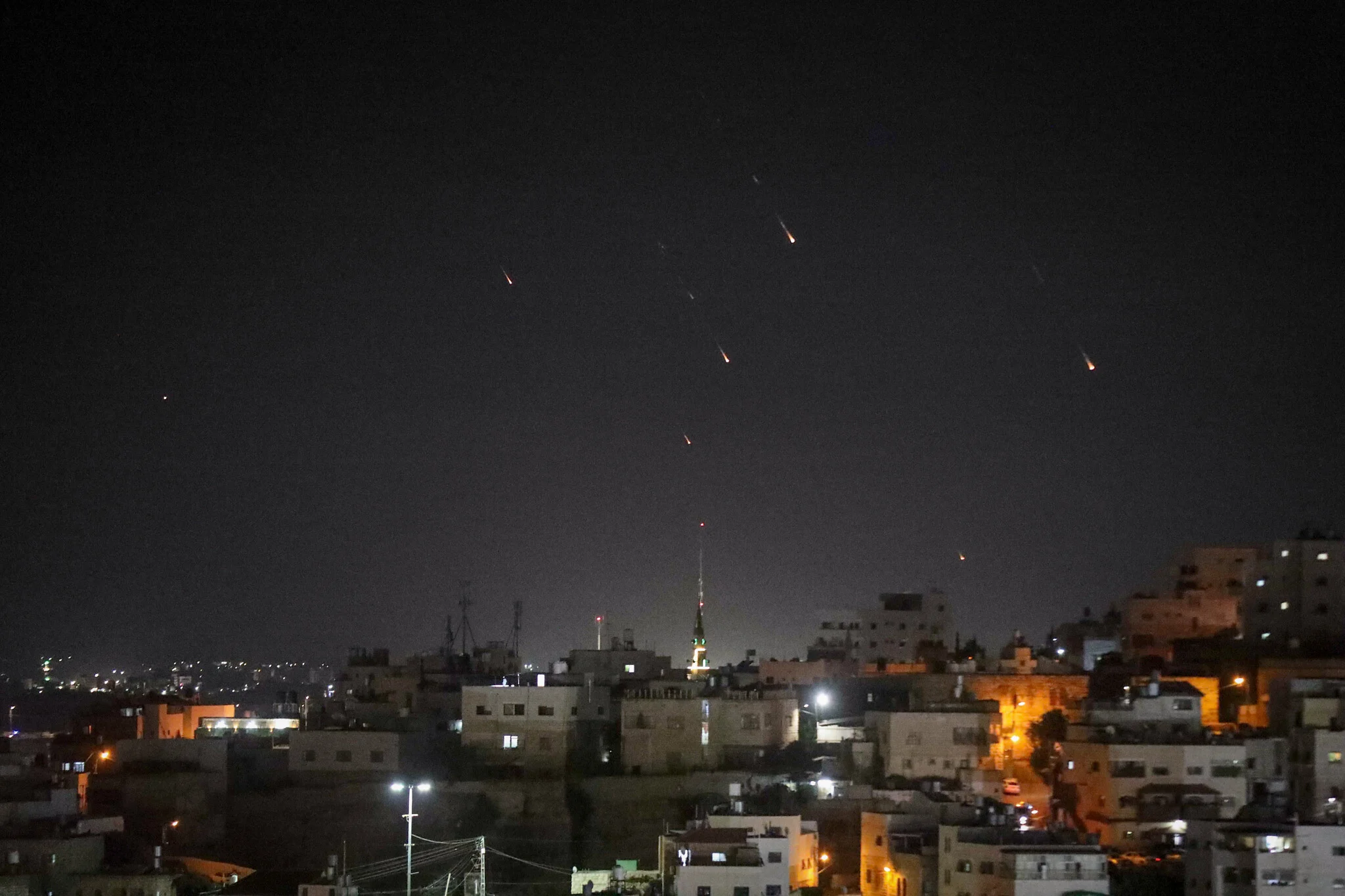
The Ministry of Peshmerga Affairs in the Kurdistan Region of Iraq announced on Tuesday that 36 of its forces were killed or injured as a result of Iranian ballistic missile strikes targeting military bases in the northern part of Erbil, the capital of the region. The ministry stated in a press release that the shelling hit the headquarters of the seventh infantry division of the first region, in addition to units from the fifth division.
This attack comes at a sensitive time as the region witnesses increasing tensions, with Iranian military operations against opposing Kurdish groups in border areas on the rise. This shelling has sparked angry reactions from officials in the Kurdistan Region, who consider this attack a violation of Iraqi sovereignty.
Details of the Incident
The Iranian shelling targeted military bases belonging to the Peshmerga forces, highlighting the ongoing tensions between Iran and the Kurdistan Region. Images circulated on social media showed the destruction caused by the shelling, with significant damage to military buildings.
In a related context, the Ministry of Peshmerga Affairs confirmed that the forces will take all necessary measures to protect the region's territory and its citizens from any future attacks. It also called on the international community to intervene to stop these assaults that threaten stability in the region.
Background & Context
Historically, the Kurdistan Region of Iraq has experienced tensions with Iran, as Tehran views some Kurdish groups in the region as a threat to its national security. In recent years, Iran has launched several attacks on the sites of these groups, leading to heightened tensions between the two sides.
The Peshmerga, which are military forces affiliated with the Kurdistan Regional Government, are essential in defending the region. However, repeated Iranian attacks complicate the security situation in the area, threatening the stability of the region and increasing the suffering of civilians.
Impact & Consequences
The recent Iranian attack could escalate tensions between Iraq and Iran, increasing pressure on the Baghdad government to address these aggressions. Additionally, this shelling may affect the relations between the Kurdistan Region and the central government in Baghdad, as the regional government may take firmer steps to protect its territory.
Moreover, Iranian attacks could lead to increased polarization among political forces in Iraq, as some parties may exploit these events to bolster their political positions. The deteriorating security situation could also impact foreign investments in the region, negatively affecting the local economy.
Regional Significance
These events are part of the broader regional conflict between Iran and countries in the area. Iranian attacks on the Kurdistan Region could heighten tensions in relations between Iran and the Gulf Arab states, which view Iran as a threat to their security and stability.
Furthermore, the escalation of violence in Iraq could affect international efforts to combat terrorism, as extremist groups may exploit this chaos to enhance their presence in the region. Therefore, the situation in the Kurdistan Region requires urgent international attention to ensure regional stability.
In conclusion, the Iranian attack on Peshmerga bases in Erbil represents a serious escalation in regional tensions and reflects the ongoing challenges faced by Peshmerga forces in protecting the region. The current situation demands a swift response from the Iraqi government and the international community to prevent further deterioration of security conditions in the area.