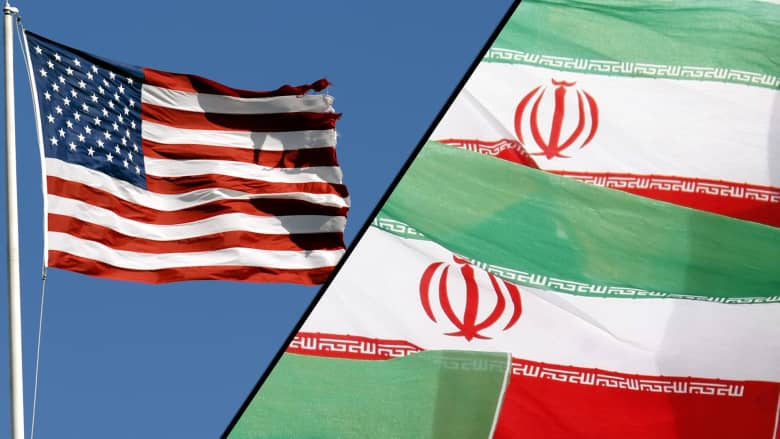
The US financial markets are experiencing a state of turmoil, with forecasts indicating the likelihood of entering a correction zone due to escalating tensions in the Middle East, particularly conflicts related to Iran. Many analysts believe that the previously adopted strategies on Wall Street are now threatened by these developments in the region. In particular, market experts are increasingly concerned about the approach taken by former President Donald Trump, who was known to retreat whenever his investments were endangered.
As signs of stability in the markets begin to fade, reports focus on what is termed 'Taco Trading,' a term used by analysts to refer to previously reliable investment strategies. However, current warnings raise alarm bells, suggesting that strategies which were once successful may now face significant challenges due to emerging negative indicators on the ground.
The Iranian landscape, which is facing a ramp-up in conflicts, casts a shadow over global financial stability. According to information, some analysts argue that heightened tensions could lead to unexpected outcomes in the markets, reflecting the prevailing uncertainty in the investment climate. There are concerns that any military or trade escalation could result in unfavorable movements in stock markets, with potentially grave consequences for the growth of the US economy in particular.
In a historical context, financial markets have always been influenced by political events in the Middle East, with the Iranian conflict being a major driver of unrest. In recent years, we have witnessed several crises related to the Iranian situation, including the sanctions imposed on it by the United States, which have had tangible effects on levels of foreign investment.
The current impact extends to deeper levels of the markets; both individual and large investors are affected equally, and with declining confidence, many expect significant price downturns. This is also attributed to the decline in consumer purchasing power, exacerbating the problem and affecting the desired economic recovery.
When looking at the impact of events on the Arab region, if tensions between it and the United States worsen, the outcomes could reflect on the trade and wealth of the Gulf states. There are fears that deteriorating relations could harm Arab investments in US markets, increasing economic challenges in the region.
Many Arab countries are currently focusing on accelerating economic diversification away from oil, but geopolitical tensions may hinder these plans. The growing gap between economic performance and geopolitical risks raises alarm bells for both investors and economists.
In conclusion, the current reality of the financial market calls for critical thinking on how to adapt to global changes. While analysts warn of the danger of sliding into a correction, there are also calls to consider potential opportunities that may arise in changing circumstances. A form of differentiation in investments could be vital in facing the increasing uncertainty.