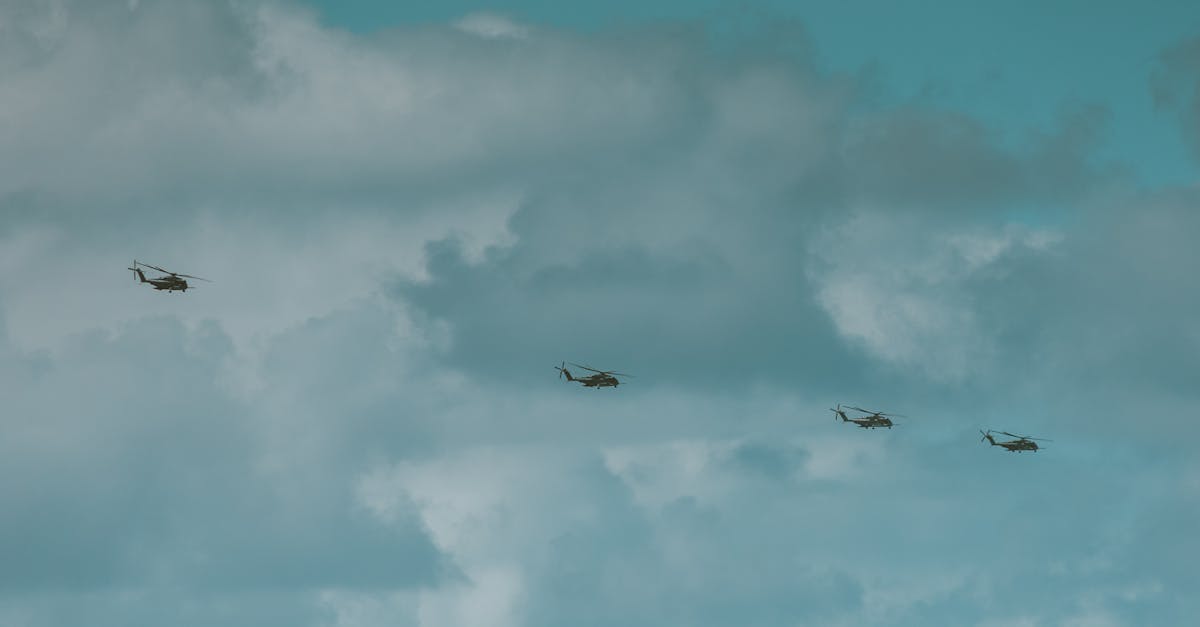
The military confrontation between the United States and Iran is escalating, with conflicting narratives regarding aerial losses. The Iranian military announced the downing of 146 drones and 15 military aircraft, while U.S. reports indicate that losses are much lower than Tehran claims.
In more detail, the Anadolu Agency reported that the Iranian military confirmed the downing of drones of various models, such as MQ-9, Hermes, Heron, and Orbiter, in addition to two F-35 fighter jets. For its part, the U.S. Central Command confirmed that only one aircraft was hit and made an emergency landing, denying any significant losses.
Details of the Incident
The gap between the American and Iranian narratives is evident, as each side seeks to minimize its losses while exaggerating those of the other. An open-source monitoring team at Al Jazeera documented the most significant reported aerial losses, which included 15 military aircraft comprising fighters and helicopters, along with 146 drones. Furthermore, the injury of two helicopters in Iraq and Kuwait has not been confirmed.
In an unfortunate incident, Kuwaiti air defenses mistakenly shot down three F-15E aircraft, with all crew members surviving. The U.S. Central Command confirmed that these aircraft were downed during active combat involving attacks from Iranian aircraft and ballistic missiles.
Additionally, a Boeing KC-135 refueling aircraft crashed due to a mid-air collision, resulting in the deaths of its six crew members. While Iran claimed responsibility for the incident, the U.S. Central Command stated that the cause was a collision, not an Iranian attack.
Background & Context
Drones and refueling aircraft are essential elements in modern military operations, enabling fighter jets and bombers to operate for extended periods without landing. The Iranian war has seen an escalation in the use of these aircraft, reflecting the reliance of the United States and Israel on advanced technology to target Iranian military infrastructure.
It is noteworthy that drones like the Hermes 900 and MQ-9 Reaper play a vital role in intelligence gathering and executing precision strikes. Meanwhile, Iran is working to develop defensive systems capable of intercepting these aircraft, complicating the conflict further.
Impact & Consequences
The aerial losses among the American-Israeli coalition directly impact operational capabilities, as damage to refueling and AWACS aircraft reduces operational range and situational awareness. These factors significantly affect the course of aerial warfare and complicate military operations.
Moreover, the American acknowledgment of losses among fighter aircraft reflects the magnitude of the challenges faced by U.S. forces in the region, which may influence their future strategies.
Regional Significance
Concerns are growing over the escalation of conflict between the United States and Iran and its impact on the Arab region. With increasing military operations, neighboring countries may be directly affected, necessitating enhanced security preparations in these nations.
In conclusion, these events reflect the complexities of the conflict in the region, where military and political interests intertwine, heightening tensions and making it difficult to reach peaceful solutions.