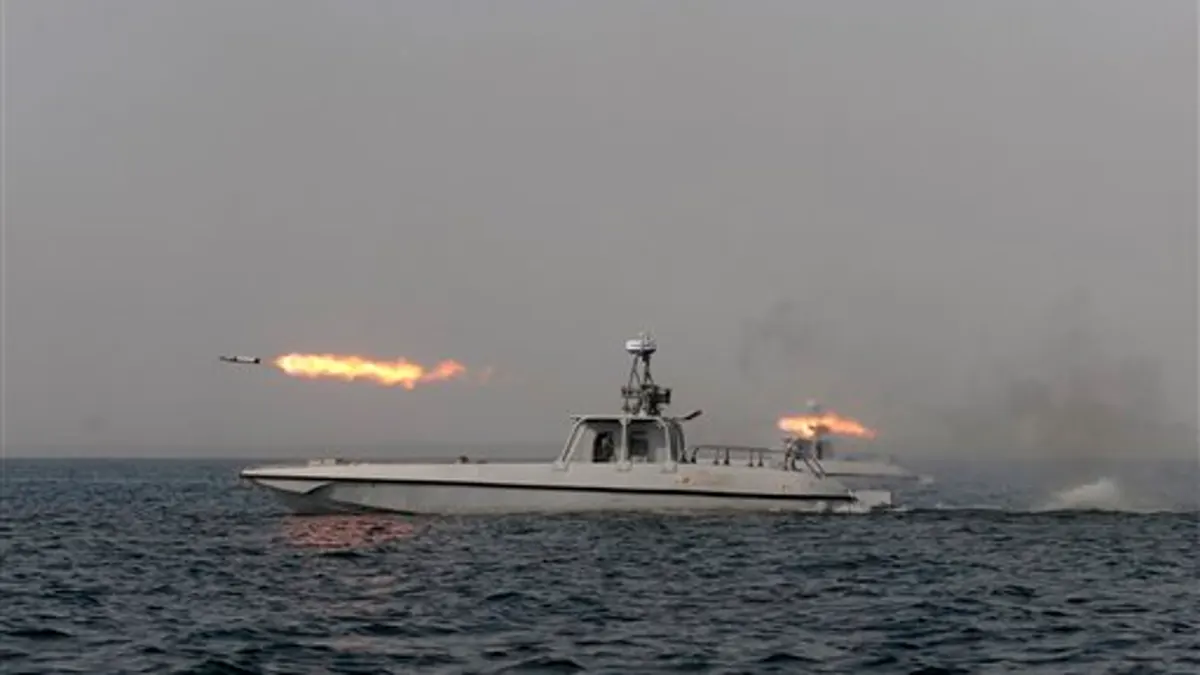
The European Center reports that Europe is among the most affected by the Iranian war, particularly due to escalating tensions in the Hormuz Strait. These conditions threaten the energy and economic security of the continent.
The Hormuz Strait is a vital strategic point, through which approximately 20% of the world's total oil passes. Any escalation in the Iranian conflict could disrupt maritime traffic, negatively impacting oil prices in global markets.
Details of the Situation
Reports indicate that the Iranian conflict is escalating significantly, with an increase in attacks on commercial vessels in the region. These actions heighten tensions between Iran and Western countries, placing Europe in a precarious position due to its heavy reliance on energy imports from the Middle East.
In this context, many European governments have warned about the implications of this war on the stability of energy markets. Reports also confirm that any closure of the Hormuz Strait would lead to a significant rise in oil prices, which would affect the European economy as a whole.
Background & Context
Historically, the region has witnessed numerous conflicts that have impacted navigation in the Hormuz Strait. Since the Iranian Revolution in 1979, Iran has become a key player in the region, complicating relations with Western nations.
In recent years, tensions have escalated due to Iran's nuclear program, leading to economic sanctions imposed on Tehran. These sanctions have exacerbated the economic situation in Iran, pushing it to adopt more aggressive actions in the region.
Impact & Consequences
The potential consequences of this war on Europe could be severe. If the situation continues to deteriorate, European countries may have to seek alternative energy sources, which could lead to increased costs.
Moreover, these conditions could affect trade relations between Europe and oil-producing countries, potentially causing disruptions in financial markets. Such disruptions could lead to rising inflation rates in European countries.
Regional Significance
Arab countries are also affected by these developments, as many rely on stable oil prices. Any escalation in the Iranian conflict could have negative impacts on the economies of these nations.
Additionally, the tense situation may lead to increased migration from conflict-affected areas, placing additional pressure on neighboring countries. Ultimately, the current situation requires international coordination to ensure regional stability.