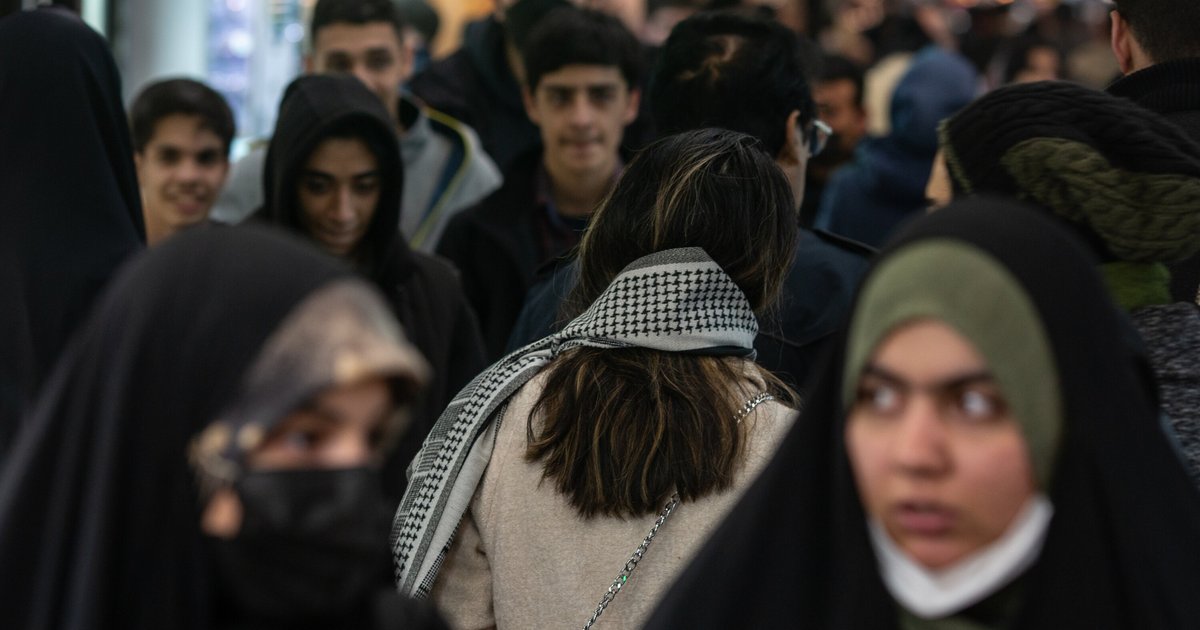
In a scene that embodies the spirit of defiance, images of women in Tehran enjoying coffee without hijabs have gained widespread attention on the international stage. However, Elnaz, a 32-year-old artist, believes these moments do not signify any genuine progress. She states, "There are no tangible achievements in women's rights, so I do not consider this a sign of change in the government."
Elnaz, who preferred not to disclose her full name, discusses the reality for women in Iran, where hijab restrictions remain in place despite some appearances that may seem like steps toward liberation. These images reflect a challenge to imposed restrictions, but they do not indicate real changes in government policies.
Details of the Situation
The images circulating on social media show women enjoying coffee in Tehran's cafes without hijabs, symbolizing a challenge to the strict regulations imposed by the Islamic Republic. These images emerge at a time when Iran is experiencing social and political tensions, as women seek to express themselves more freely.
Despite these moments of defiance, the Iranian government continues to maintain control over clothing laws. Many activists have pointed out that these individual actions do not reflect comprehensive changes in government policies but are merely reactions to social pressures.
Background & Context
Since the Islamic Revolution in 1979, Iran has enforced strict clothing laws, making hijabs mandatory. In recent years, there has been an increase in protests against these laws, with women demanding their rights to choose their attire. However, the government still adopts a stringent policy toward any form of protest.
Historically, there have been numerous attempts by Iranian women to express their views on their rights, but these attempts have often faced repression. This situation makes it challenging to achieve any tangible progress in women's rights in Iran.
Impact & Consequences
This phenomenon is seen as an indicator of the rising tensions between the government and society, as women strive to challenge the restrictions imposed on them. This defiance may lead to increased pressure on the government to reconsider its policies regarding women's rights.
Moreover, these images may inspire other women in Iran and beyond to take similar steps, reflecting a strong desire for change. However, the question remains about the extent to which these movements will impact government policies.
Regional Significance
The ongoing situation highlights the persistent challenges faced by women in Iran and signifies a strong yearning for social and political change. The actions of these women could resonate beyond Iran, potentially influencing women's rights movements in neighboring countries.
As the struggle for women's rights continues, the eyes of the world remain on Iran, observing how these small acts of defiance might contribute to larger societal shifts.