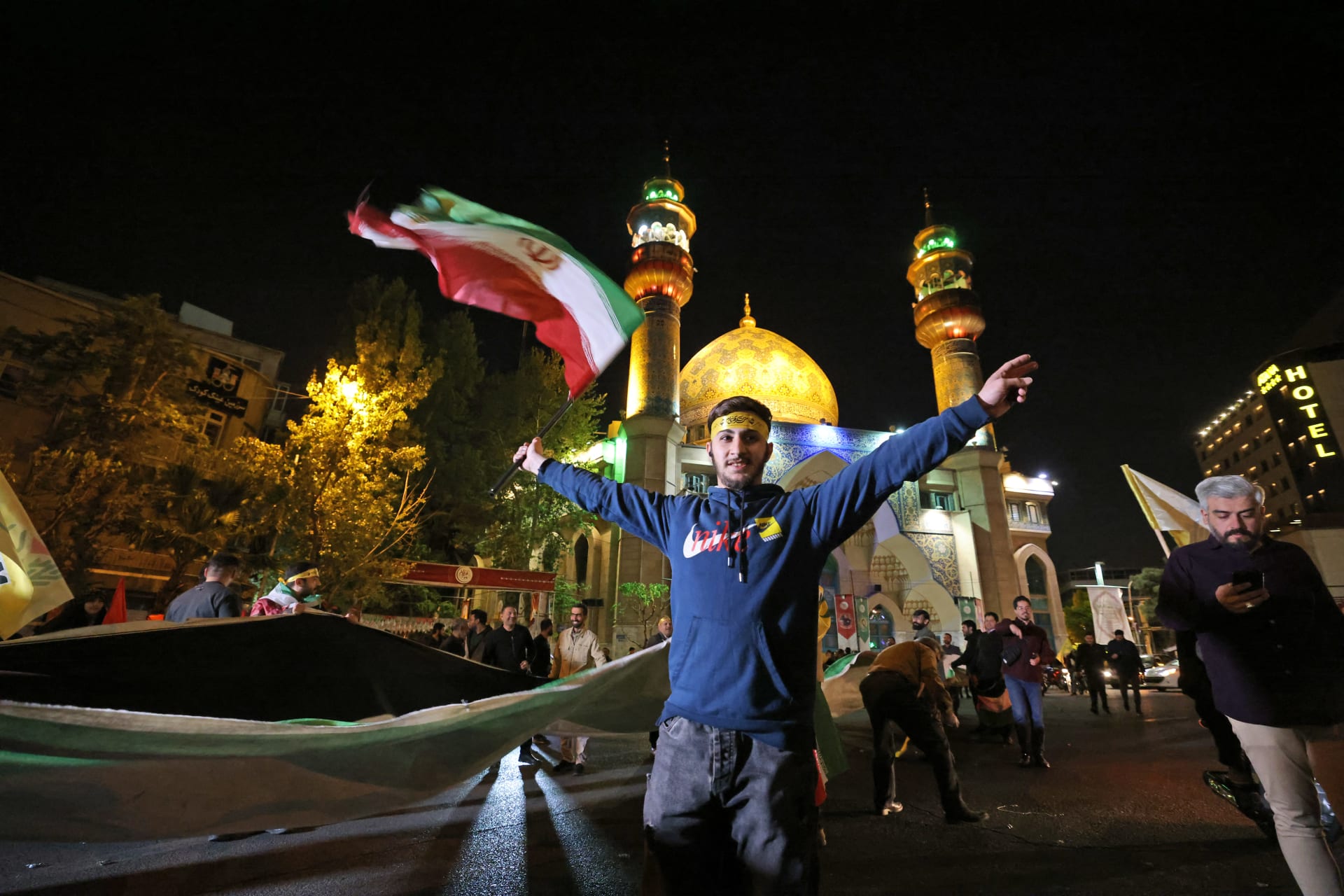
Iran is celebrating Nowruz, which marks the beginning of the Iranian New Year and has a history spanning over 3000 years. However, this year's atmosphere is charged with anger and fear. Amid the ongoing war in the country, families are suffering from communication blackouts, which increases their struggles in the face of continuous bombardment.
Zahra, a grandmother living in the suburbs of Tehran, expresses that she usually looks forward to reuniting with her family during this holiday, but the current situation makes that impossible. "My children are anxious. Not being able to hear their voices drives me crazy. This is truly the height of cruelty and oppression for a mother," adds Zahra, whose name has been changed to protect her identity from official retaliation.
Event Details
As Iranians prepare to celebrate Nowruz, the government continues to suppress dissenting voices. The American Human Rights Agency reported that 10 individuals were recently arrested on charges of "collaborating with foreign media," while two others were detained for allegedly "creating psychological insecurity in society through cyberspace." These arrests reflect the harsh reality faced by Iranians amid the war, where the death toll has risen to nearly 3000, half of whom are civilians.
Pro-government groups are roaming the streets of Tehran, denouncing the American-Israeli campaign. However, the current climate of censorship makes it difficult to gauge the level of public support for systemic change. The brutal massacre of thousands of anti-regime protesters last January has left a deep impact on the populace.
Background & Context
Historically, Iran has witnessed numerous political and social crises, but the current situation is marked by escalating internal and external conflict. For the past 47 years, Iranians have suffered under a regime that has inflicted pain on many mothers, leading many to prefer the continuation of war over the existence of the current regime. Zahra's statements reflect this suffering, as she says, "I prefer there to be no ceasefire until this regime is completely gone."
At the same time, Iranian youth are expressing their fears about the future. Samer, a student in Tehran, states that enthusiastic government supporters believe in a "culture of martyrdom," which increases the risk of civil war if the religious authority is overthrown. "They are ready to die but do not want the regime to fall, as they believe its downfall means the end of their religion," Samer adds.
Impact & Consequences
Iran is heading towards a state of increasing instability, as youth like Ali, who refuses to join the military service, show growing rejection of the regime. Ali states, "I will not go because my life will be in danger. I will do everything I can to avoid military service." This refusal reflects a general sense of despair among Iranian youth, who see their lives threatened under the current circumstances.
The state continues to maintain its repressive power and military capability, allowing it to continue fighting in the near term. However, the escalation of war could unleash a more unstable dynamic for both the regime and the Iranian people.
Regional Significance
The Arab region is directly affected by events in Iran, as any escalation in conflict could have repercussions for neighboring countries. The continuation of war in Iran may exacerbate instability in the Middle East, impacting Arab interests and increasing tensions between nations.
In conclusion, it is evident that Iranians are living in a state of anger and fear while preparing to celebrate Nowruz. Nevertheless, hope for a better tomorrow still exists, despite all the challenges they face.