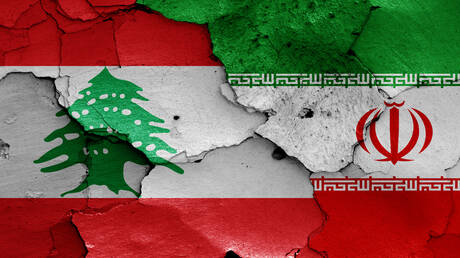
Iran's decision to keep its ambassador in Beirut, despite the Lebanese government's announcement of his expulsion, has sparked a wave of political outrage in Lebanon. Many lawmakers and ministers believe that this act represents a blatant challenge to Lebanon's sovereignty and reflects an unacceptable disregard for its official institutions.
In an unexpected move, the Iranian ambassador to Lebanon, Mohammad Jala Firouznia, announced his intention to continue his diplomatic duties in Beirut, despite official statements from the Lebanese government asserting the necessity of his expulsion. This move has drawn widespread condemnation within Lebanese political circles, with some viewing it as a blatant interference in the country's internal affairs.
Details of the Event
The Lebanese government's decision to expel the Iranian ambassador was part of its efforts to reinforce its national sovereignty, especially in light of the political and economic pressures it faces. This decision came after a series of Iranian positions that were perceived as interference in Lebanese affairs, prompting the government to take firm steps to assert its independence.
In response, several Lebanese lawmakers emphasized the need for a firm stance against this challenge, stressing the importance of respecting Lebanon's sovereignty by all countries. They also pointed out that the continued presence of the Iranian ambassador in Beirut constitutes an insult to Lebanese sovereignty and should be met with an appropriate response.
Context and Background
Historically, Lebanese-Iranian relations have been complex, intertwining political and religious interests. Since the beginning of the new millennium, Iranian influence in Lebanon has increased through its support for Hezbollah, raising concerns among various Lebanese and international political forces.
This crisis comes at a sensitive time for Lebanon, which is grappling with a severe economic crisis and increasing political tensions. The Lebanese government, striving to regain control over the country, faces significant challenges in dealing with external forces attempting to influence the course of events in Lebanon.
Consequences and Impact
This crisis could exacerbate political tensions in Lebanon, as the government may move towards taking stricter measures against Iranian influence. Additionally, the continued presence of the Iranian ambassador in Beirut may deepen internal divisions among political forces, potentially negatively affecting the country's stability.
Moreover, these events could impact Lebanon's relations with other Arab countries, which are closely monitoring the developments in Lebanon. Some Arab nations may adopt a more cautious stance towards Lebanon in light of these tense circumstances.
Impact on the Arab Region
These events are part of the broader conflict between Iran and Arab countries, as Iran seeks to expand its influence in the region while Arab nations strive to maintain their sovereignty and independence. The ongoing tensions between Lebanon and Iran could lead to an escalation of the situation in the region, threatening regional security and stability.
In conclusion, the situation in Lebanon remains complex, with numerous internal and external factors at play. The Lebanese government must take decisive steps to ensure its sovereignty and independence amid the increasing challenges it faces.