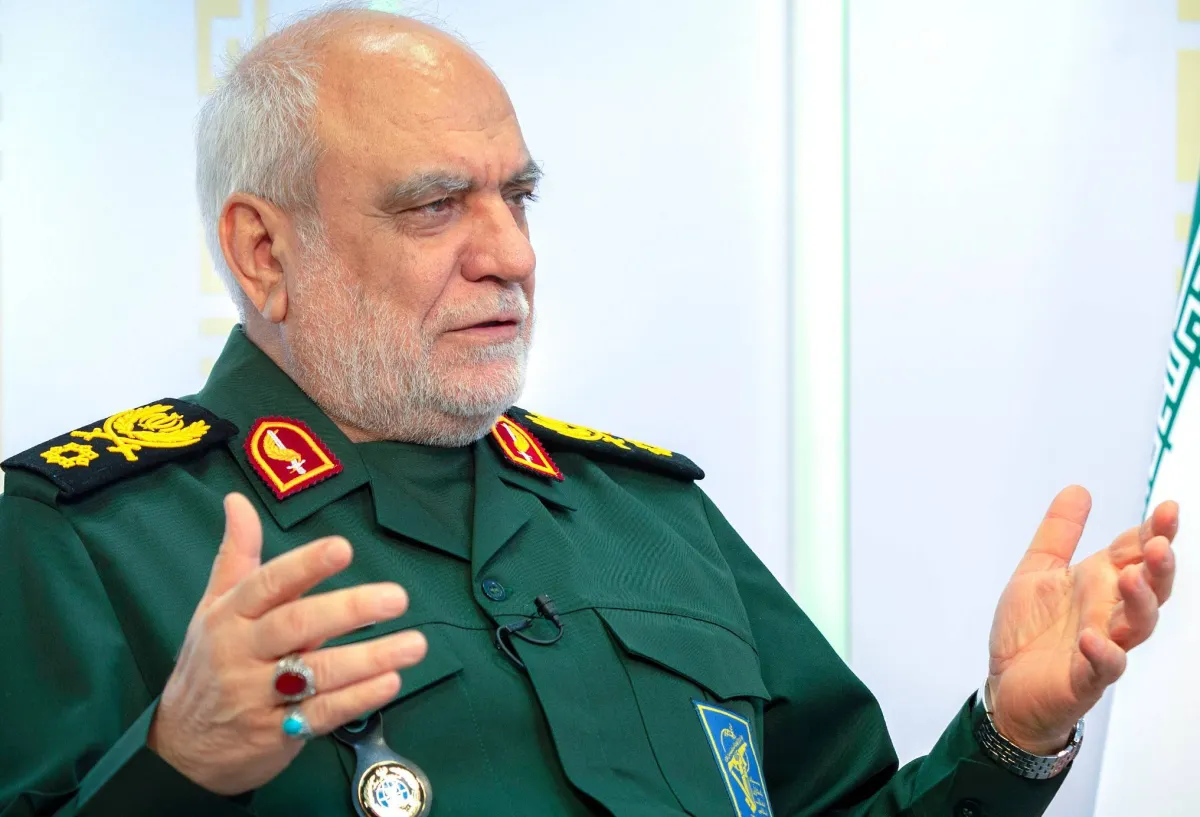
Iran has confirmed the death of Majid Khademi, the head of the Revolutionary Guard's intelligence organization, in an Israeli airstrike, underscoring the security challenges the country is currently facing. Khademi took over the intelligence leadership in June 2025 following the assassination of his predecessor, Mohammad Kazemi, but his tenure was abruptly cut short under enemy fire.
During the 12-day war in June 2025, Khademi was appointed to his position at a time when the Iranian security apparatus was under significant pressure due to repeated strikes and breaches. He had spent most of his career in security and protection fields, making him a relatively unknown figure in public circles.
Details of the Incident
On April 6, 2026, Iranian reports confirmed Khademi's death in an Israeli airstrike, reflecting the fragility of the security situation in Iran. His assassination came shortly after he assumed office, highlighting the depletion faced by the intelligence apparatus during the war. Khademi was known to be a pivotal figure in safeguarding secrets and monitoring loyalty within the Revolutionary Guard.
It is noteworthy that Khademi was not a prominent figure in rhetoric or combat symbolism; rather, he came from a specialized background in security and surveillance. He served as the deputy head of the Revolutionary Guard's intelligence before taking over the leadership, reflecting a long professional trajectory in protection and security.
Background & Context
The Iranian Revolutionary Guard was established as a military and security force since the Islamic Revolution in 1979 and is considered an intelligence apparatus parallel to the official Ministry of Intelligence. Over the years, the influence of the Revolutionary Guard has expanded to become a center of power in Iran, undertaking multiple tasks including counter-espionage and monitoring breaches.
In recent years, the Revolutionary Guard has faced significant challenges, including popular protests and internal pressures. These challenges have increased the importance of the intelligence apparatus's role in maintaining order and ensuring loyalty within the institution.
Impact & Consequences
Khademi's assassination represents a significant blow to the Revolutionary Guard, reflecting the weakness of the apparatus in confronting external threats. This event raises questions about the future of Iranian intelligence and its ability to address increasing security challenges.
This assassination is likely to lead to a comprehensive reassessment of leadership within the Revolutionary Guard and may affect the security strategies employed in the country. Furthermore, this incident could strengthen the position of external powers seeking to undermine the Iranian regime.
Regional Significance
The ramifications of Khademi's assassination extend beyond Iranian borders, potentially impacting security balances in the region. Amid escalating tensions between Iran and Israel, this event could lead to an escalation of military confrontations in the Middle East.
Moreover, targeting prominent figures within the Revolutionary Guard may open the door for other regional powers to enhance their influence, complicating the security landscape in the area.