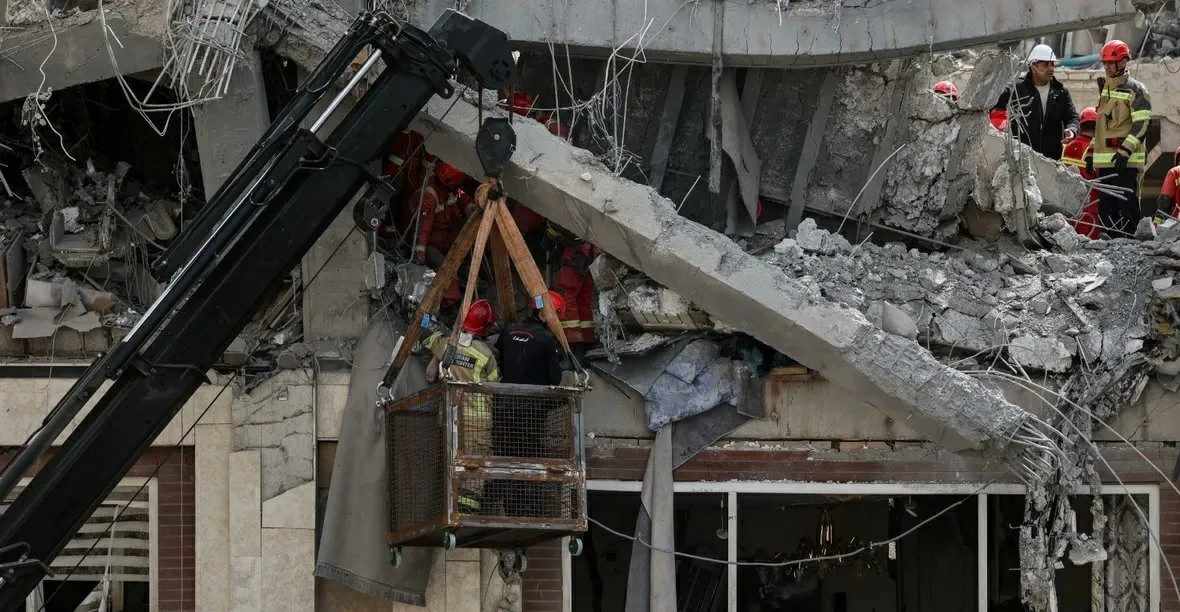
Two major steel companies in Iran announced today, Thursday, the cessation of operations at their largest plants due to a series of US and Israeli airstrikes. Deputy Operations Manager at Khuzestan Steel Company, Mehrad Pakbin, indicated that preliminary estimates suggest that restarting these units will take at least 6 months and could extend to a full year.
Pakbin explained that all units and furnaces in the industrial complex have sustained severe damage, making it difficult to resume production operations in the near future. On the other hand, Mobarakeh Steel Company in Isfahan province, central Iran, confirmed that production lines have completely halted due to the intensity of the attacks on both plants since last week.
Details of the Incident
The airstrikes targeting steel plants in Iran are part of a series of military operations carried out by the United States and Israel, aimed at undermining Iranian military capabilities. Mobarakeh Company reported that the repeated attacks have made it impossible to resume operations, raising concerns about the economic and social impacts resulting from this shutdown.
Steel is considered a strategically important material, used in many military and civilian industries, including missile manufacturing, drones, and ships. Therefore, the halt in steel production in Iran could significantly affect the country's ability to enhance its defense capabilities.
Background & Context
Historically, Iran has experienced ongoing tensions with the United States and its allies, particularly regarding the Iranian nuclear program and military activities in the region. These tensions have escalated in recent years, leading to an intensification of military operations against Iranian facilities.
These strikes are part of a broader strategy aimed at undermining Iranian influence in the region, with steel plants being vital targets due to their role in supporting the military industry. Iran has previously witnessed similar attacks, but this time the impact appears to be more profound due to the extent of the damage inflicted on the plants.
Impact & Consequences
The shutdown of steel plants in Iran is expected to have significant economic repercussions, as the Iranian economy heavily relies on this industry. This halt may lead to increased unemployment in the region, in addition to its effects on the prices of essential materials.
Moreover, this situation could amplify pressures on the Iranian government, which is already facing economic challenges due to international sanctions. This reflects the escalating tensions in the region, which may lead to further escalation in the conflict between Iran and its allies on one side, and the United States and Israel on the other.
Regional Significance
The events in Iran have a direct impact on the Arab region, as any escalation in the conflict could lead to security and economic repercussions in neighboring countries. Additionally, the halt in steel production in Iran may affect raw material markets in the region, potentially leading to price increases.
Furthermore, any escalation in military operations could heighten tensions in the Arabian Gulf, raising concerns about regional security and market stability.
In conclusion, the cessation of operations at Iran's largest steel plants due to US and Israeli military pressures marks a turning point in the ongoing conflict in the region, reflecting the challenges Iran faces amid increasing international pressures.