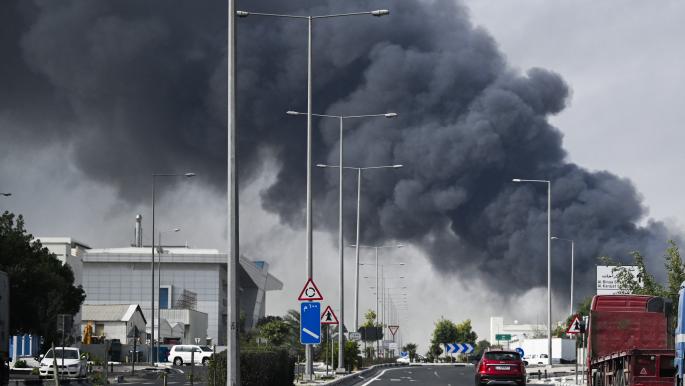
Iran's missile and drone attacks on Gulf states during the ongoing conflict have created a significant rift between Tehran and these nations, making it difficult to repair these ties. The past few weeks have witnessed a marked escalation in attacks, which have directly targeted vital installations in countries such as Saudi Arabia and the United Arab Emirates, raising widespread concern in the region.
These attacks are considered part of Iran's strategy to enhance its regional influence, as it seeks to use military power as a means to pressure its adversaries. This behavior has elicited strong reactions from Gulf states, which have emphasized the necessity of taking stringent measures to protect their security and stability.
Details of the Attacks
In recent weeks, reports have noted an increase in the number of attacks launched by Iran using missiles and drones. These attacks have targeted critical facilities, including power stations and airports, disrupting daily life in some areas. Images circulated on social media have shown the extent of the destruction caused by these assaults, further escalating tensions between Tehran and the Gulf states.
Although Iran denies targeting civilians, the damage inflicted on civilian infrastructure has sparked widespread international condemnation. The international community has called for restraint; however, the responses from Gulf states were swift, asserting their right to defend themselves.
Background & Context
The roots of the tensions between Iran and the Gulf states date back decades, with the region experiencing multiple conflicts, from the Iran-Iraq war to the disputes in Syria and Yemen. These conflicts have contributed to deepening the divide between Iran and Arab nations, making it challenging to build trust-based relationships.
In recent years, Iran has increased its interventions in the internal affairs of Arab states, exacerbating crises. Gulf states have viewed these interventions as a threat to their national security, prompting them to bolster their military alliances with other nations, such as the United States.
Impact & Consequences
These attacks represent a turning point in relations between Iran and the Gulf states. They have led to strengthened military alliances between Gulf nations and the United States, which could heighten tensions in the region. Additionally, these events may result in increased military spending in Gulf states as they seek to enhance their defensive capabilities.
Moreover, the escalation of tensions could negatively impact the regional economy, affecting trade and tourism in the area. Some reports have warned that the continuation of these attacks may worsen humanitarian crises in the affected countries, increasing civilian suffering.
Regional Significance
These events serve as a wake-up call for other Arab nations, as they may lead to heightened tensions in other regions. The ongoing attacks could prompt some countries to reassess their security strategies, potentially leading to changes in regional alliances.
Ultimately, the question remains on how to address these tensions. Will Gulf states be able to build a bridge for communication with Iran, or will the gap continue to widen? The coming days will be crucial in determining the trajectory of relations between these parties.