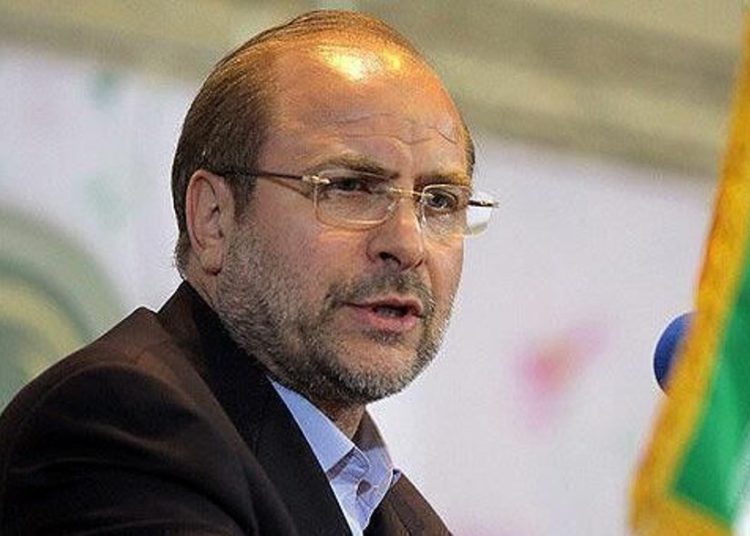
In an exclusive statement to Al Jazeera, Iranian Parliament Speaker Mohammad Baqer Qalibaf emphasized that the ongoing war is Israel's, asserting that his country has always been prepared to face challenges and has proven its capability to defend itself in critical times.
Qalibaf stressed that the current security breakdown and losses experienced worldwide are a direct result of this war, considering that achieving sustainable security is a top priority for Iran. He also pointed out that regional countries are capable of ensuring their interests through bilateral and multilateral security agreements without the need for external interventions, affirming that maintaining regional security serves the interests of all its nations.
Details of the Event
In his remarks, Qalibaf mentioned that Iran has had to target American bases and interests in the region as a means of preserving its existence. He warned that any escalation against Iran will be met with a decisive response, reflecting Iran's steadfast approach in defending its sovereignty and national interests.
Qalibaf also emphasized the necessity of removing the main factors leading to insecurity in the region, stressing the importance of building a security system independent of the United States and Israel. These statements come at a time when the region is witnessing increasing tensions, heightening concerns about the future of regional security.
Background & Context
Historically, Iranian-Israeli relations have been marked by severe tensions, with Iran viewing Israel as a primary adversary in its foreign policy. Since the Islamic Revolution in 1979, Iran has taken an antagonistic stance towards Israel, considering it a threat to national security. In recent years, these tensions have escalated with increased Israeli military activities in the region, particularly in Syria and Lebanon.
Qalibaf's statements come at a sensitive time, as fears of a potential military escalation between Iran and Israel are growing, especially following repeated attacks on Iranian facilities in Syria, which Iran views as an infringement on its sovereignty.
Impact & Consequences
Qalibaf's statements underscore that Iran will not hesitate to respond to any threats, which could lead to military escalation in the region. This potential escalation may affect the stability of neighboring countries and could drag the region into a broader conflict.
Moreover, the statements reflect Iran's direction towards enhancing its defensive capabilities, which could lead to an arms race in the region. At the same time, these conditions may increase tensions between major powers, particularly the United States, which is closely monitoring the situation.
Regional Significance
Neighboring Arab countries find themselves in a precarious position, as any military escalation could impact their security and stability. Many of these countries rely on security alliances with the United States, placing them in a difficult position if tensions between Iran and Israel escalate.
Furthermore, any potential conflict could lead to an influx of refugees and increased sectarian tensions in the region, complicating the security and economic situations in Arab countries.
In conclusion, Qalibaf's statements highlight the importance of dialogue and cooperation among regional countries to ensure security and stability, and to avoid escalation that could have dire consequences for all.