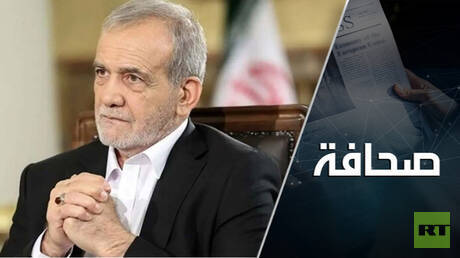
Iranian President Masoud Beizhkian has urged military leaders to return power to his government, in a move that reflects the escalating conflict between hardliners and reformists in the country. This call comes at a time when Iran is experiencing increasing internal political tensions.
Pressure on the Iranian government is mounting due to the economic and social crises facing the country, prompting Beizhkian to take a firm stance aimed at regaining control. This call also reflects the deep divisions within the Iranian system, where reformists are seeking to strengthen their position against hardline forces that dominate many military and security institutions.
Details of the Event
In his recent statements, Beizhkian emphasized that the government needs the support of the military to ensure the stability of the country. He stressed the importance of cooperation among various political factions to achieve national goals. This statement follows a series of popular protests that have swept across Iran, demanding economic and political reforms.
This stance from Beizhkian is seen as a bold step, as he faces significant challenges from hardliners who seek to maintain their influence. Analysts have noted that this call may be an attempt by the president to bolster his position in the face of increasing pressures.
Background & Context
Historically, Iran has witnessed internal conflicts between hardliners and reformists, with each side striving to impose its vision on the future of the country. Since the Islamic Revolution in 1979, there have been repeated attempts by reformists to change domestic and foreign policies, but they have often faced strong resistance from hardline forces.
In recent years, economic and social crises in Iran have worsened, leading to increased public discontent. Economic sanctions imposed on the country have exacerbated these crises, making the current government face unprecedented challenges.
Impact & Consequences
If Beizhkian succeeds in regaining authority, it could lead to significant changes in Iranian policies, both domestically and internationally. Strengthening the position of reformists may improve relations with Western countries, potentially opening up new opportunities for economic cooperation.
On the other hand, if pressures from hardliners continue, this could escalate political tensions, threatening the stability of the country. The ongoing economic crises could also lead to new protests, further complicating the internal situation.
Regional Significance
Iran is a key player in the region, and any changes in its domestic policy could directly affect neighboring countries. If reformists manage to strengthen their position, it could reduce tensions in relations with Arab nations, especially amid ongoing crises in Iraq, Syria, and Lebanon.
Conversely, the continuation of internal conflict may increase regional tensions, as hardline forces might seek to export their crises abroad. Therefore, the situation in Iran remains a major concern for Arab countries, which are closely monitoring developments.