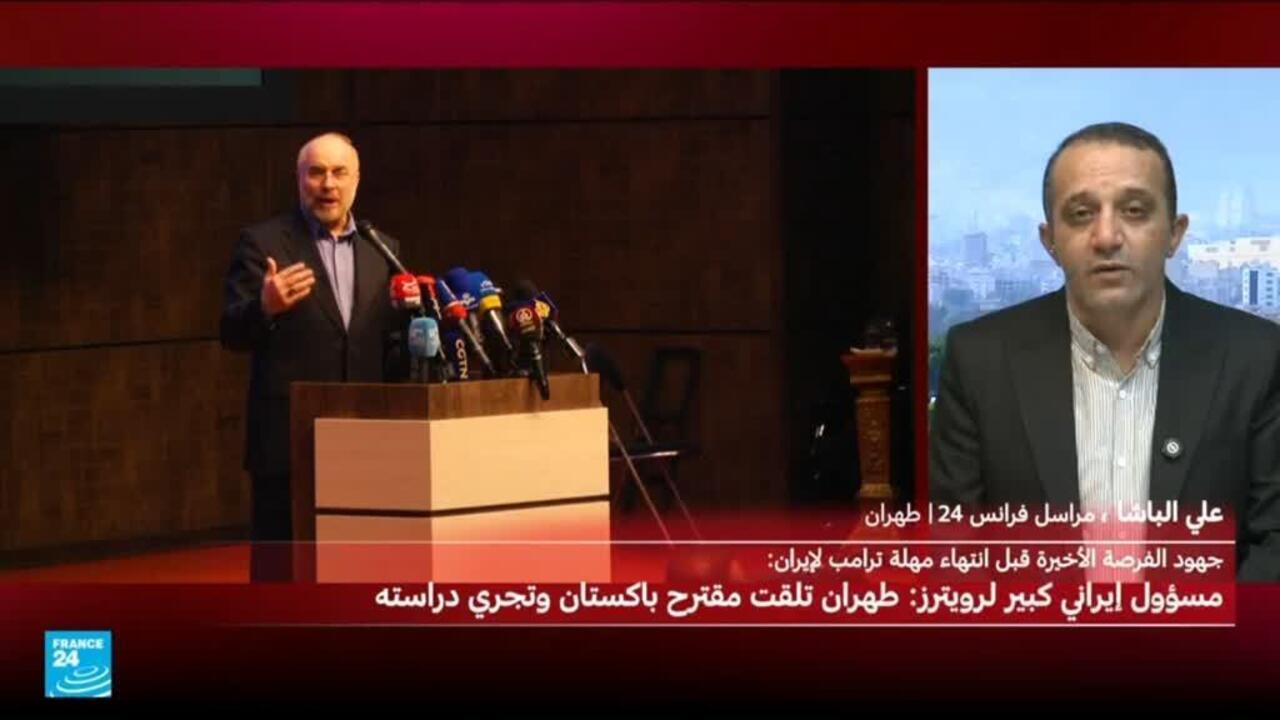
The Iranian Revolutionary Guard reported the death of its intelligence chief in US-Israeli airstrikes that targeted residential areas, prompting strong reactions from Iranian officials. These strikes occur at a sensitive time as tensions in the region escalate, marking a significant blow to the Revolutionary Guard, which plays a pivotal role in Iranian politics.
In a statement, Ismail Baqaei, spokesperson for the Iranian Foreign Ministry, indicated that Tehran has formulated its positions and demands in response to the latest proposals for a ceasefire conveyed through intermediaries. Baqaei emphasized that the current negotiations do not align with deadlines and threats of committing war crimes, reflecting Tehran's dissatisfaction with international pressures.
Details of the Incident
The events in the region continue to unfold following the strikes that targeted the head of the Revolutionary Guard's intelligence, as this agency is considered one of the main pillars of the Iranian regime. The airstrikes, believed to have been carried out in cooperation between the United States and Israel, aim to undermine Iranian influence in the region, especially amid increasing tensions between Tehran and its traditional adversaries.
These developments come at a time when Iranian-American relations are significantly strained, with the United States seeking to diminish Iran's influence in the Middle East. Military and political pressures on Iran may intensify in the coming periods, potentially leading to an escalation of situations in the region.
Background & Context
Historically, Iran has been a target of US and Israeli military operations, particularly concerning its nuclear program and support for armed groups in the region. The Iranian Revolutionary Guard, established after the Islamic Revolution in 1979, is considered the main military force defending the Iranian regime and working to expand Tehran's influence in the Middle East.
It is noteworthy that military pressures on Iran are not new; the past years have witnessed numerous military operations targeting Iranian sites in Iraq and Syria, reflecting a broader strategy by the United States and its allies to limit Iran's influence.
Impact & Consequences
The killing of the Revolutionary Guard's intelligence chief may open the door to greater military escalation by Iran, as Tehran is expected to seek to retaliate against these strikes. This escalation could lead to a series of retaliatory operations, increasing instability in the region.
Moreover, this incident could impact Iranian nuclear negotiations, as Tehran may adopt a more hardline stance in any future talks, potentially hindering international efforts to reach a comprehensive agreement regarding its nuclear program.
Regional Significance
Events in Iran directly affect Arab countries, particularly those sharing borders or political relations with Tehran. The escalation of tensions could lead to increased sectarian divisions in the region, as armed groups may exploit these events to enhance their influence.
Furthermore, any military escalation could impact oil prices and financial markets, negatively affecting Arab economies that heavily rely on oil exports.
In conclusion, the killing of the Iranian Revolutionary Guard's intelligence chief represents a turning point in the regional conflict, reflecting the increasing tensions between Iran and the United States and its allies. Under these circumstances, the pressing question remains: how will Tehran respond to these military and political pressures?