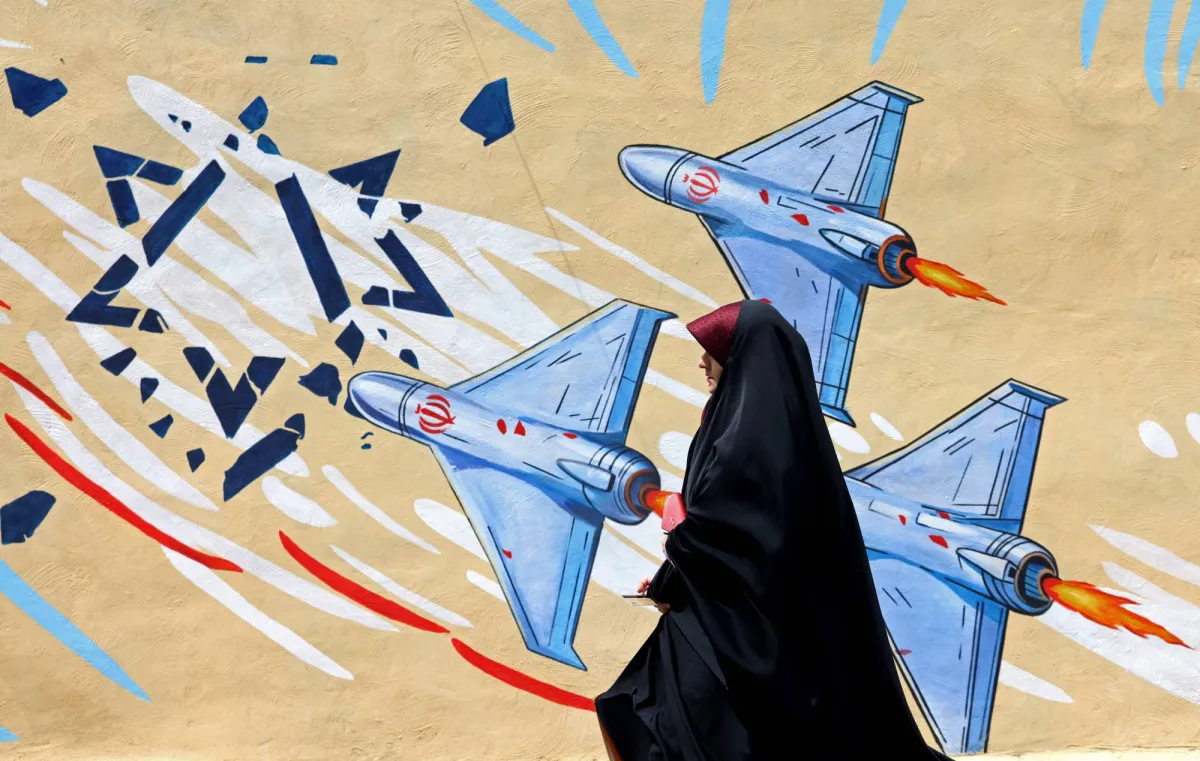
The Iranian Revolutionary Guard confirmed today (Wednesday) that 'the finger is on the trigger,' indicating its readiness to respond to any attack despite the declared ceasefire between Tehran and Washington. The statement, published via the 'Telegram' app, emphasized that the Revolutionary Guard will not trust the enemy's promises, warning that any miscalculations will be met with a strong response.
These remarks come at a time when the United States and Iran have agreed to a two-week ceasefire mediated by Pakistan, following a six-week war that resulted in thousands of deaths and significantly impacted global energy supplies.
Details of the Event
As Lebanon suffers from escalating Israeli airstrikes, U.S. President Donald Trump confirmed that Lebanon is not part of the ceasefire agreement. In contrast, Iran denied this claim, stressing that any violation of the truce will not go unpunished. Trump indicated that 'Hezbollah' is the reason for Lebanon's exclusion from the agreement.
Iranian Foreign Minister Abbas Araghchi reported during a call with Pakistani Army Chief Asim Munir that there have been Israeli violations of the ceasefire, which were discussed during the conversation. Araghchi affirmed that Iran will punish Israel for any attacks on 'Hezbollah.'
Background & Context
Tensions in the region are escalating, with Lebanon experiencing intense Israeli airstrikes that have resulted in hundreds of casualties. The Israeli army announced its largest bombing campaign on Lebanon since the war began, targeting around 100 military sites belonging to Hezbollah.
In a related context, Iranian state television reported the downing of an Israeli drone over the city of Lar, warning that any violation of the ceasefire will face a firm response. Reports also indicated that several ships in the Gulf received notifications from the Iranian navy stating that the Strait of Hormuz remains closed.
Impact & Consequences
All eyes are on how these statements will affect the security situation in the region. Continued tensions between Iran and the United States could lead to a new military escalation, threatening stability in the Middle East and impacting global energy markets.
Moreover, military escalation in Lebanon could draw other countries into the conflict, complicating the situation in the region further. At the same time, any Iranian reaction to Israeli aggressions could lead to greater escalation in military confrontations.
Regional Significance
This tense situation in Lebanon and Iran reflects the significant challenges faced by Arab countries in dealing with regional conflicts. Any escalation in these crises could directly affect the national security of neighboring Arab states and complicate peace and stability efforts in the region.
In conclusion, the recent statements from the Iranian Revolutionary Guard highlight the increasing tensions in the region and underscore the need for close monitoring of developments, as any escalation could have serious implications for regional and international security.