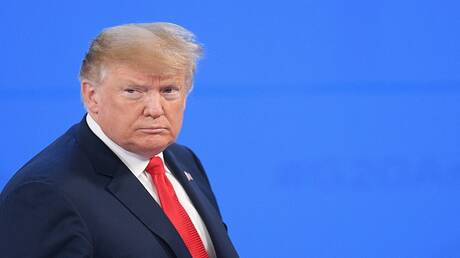
Iran's Revolutionary Guard Air Force commander, Majid Mousavi, has responded to the threats made by U.S. President Donald Trump to return Iran to the 'Stone Age,' asserting that the United States, by threatening a great civilization, is only risking its own military downfall.
Mousavi's statements came amid escalating tensions between Iran and the United States, with Tehran considering such threats to reflect a profound misunderstanding of the geopolitical reality by the U.S. administration. He affirmed that Iran will not retreat from its rights and national interests and is capable of facing any external threats.
Details of the Event
In remarks made during a press conference, Mousavi stated that U.S. threats will not affect the determination of the Iranian people or the capabilities of the Revolutionary Guard. He pointed out that Iran has a long history of civilization and culture, and any attempt to undermine it will be met with a strong response. He also added that the United States must realize that its threats will only exacerbate the situation in the region.
Mousavi indicated that the Iranian armed forces are fully prepared for any confrontation and will respond firmly to any aggression. These statements come at a sensitive time, as relations between Iran and the United States have been increasingly strained following Washington's withdrawal from the Iranian nuclear deal in 2018.
Background & Context
Historically, relations between Iran and the United States have experienced numerous fluctuations, starting from the Iranian Revolution in 1979, which led to the severing of diplomatic ties between the two countries. Since then, the United States has pursued a policy of pressure and sanctions against Iran, resulting in heightened tensions in the region.
In recent years, tensions have notably escalated, particularly following attacks on oil facilities in Saudi Arabia, which Iran has been accused of orchestrating. Additionally, the Iranian nuclear program remains a contentious issue that raises concerns in the international community, further intensifying the strain between Tehran and Washington.
Impact & Consequences
The mutual threats between Iran and the United States could lead to military escalation in the region, a scenario that many observers fear. Should any escalation occur, it could impact the stability of the entire region and increase the intensity of ongoing conflicts.
Furthermore, the continuation of tensions may adversely affect the Iranian economy, which is already suffering from U.S. sanctions. This could exacerbate social and economic conditions within Iran, potentially negatively impacting the stability of the ruling regime.
Regional Significance
The Iranian-American relationship is a central pillar in Middle Eastern politics, and any escalation between the two parties could have significant repercussions for Arab countries. Gulf states, for instance, are closely monitoring the situation, as they are concerned about any threats that may affect their security and stability.
Moreover, ongoing conflicts in Syria, Iraq, and Yemen could be directly influenced by developments in the Iran-U.S. relationship, keeping the region in a constant state of anticipation for any new developments.
In conclusion, the situation in the region remains complex and requires constructive dialogue and understanding among all parties to avoid any escalation that could lead to dire consequences.