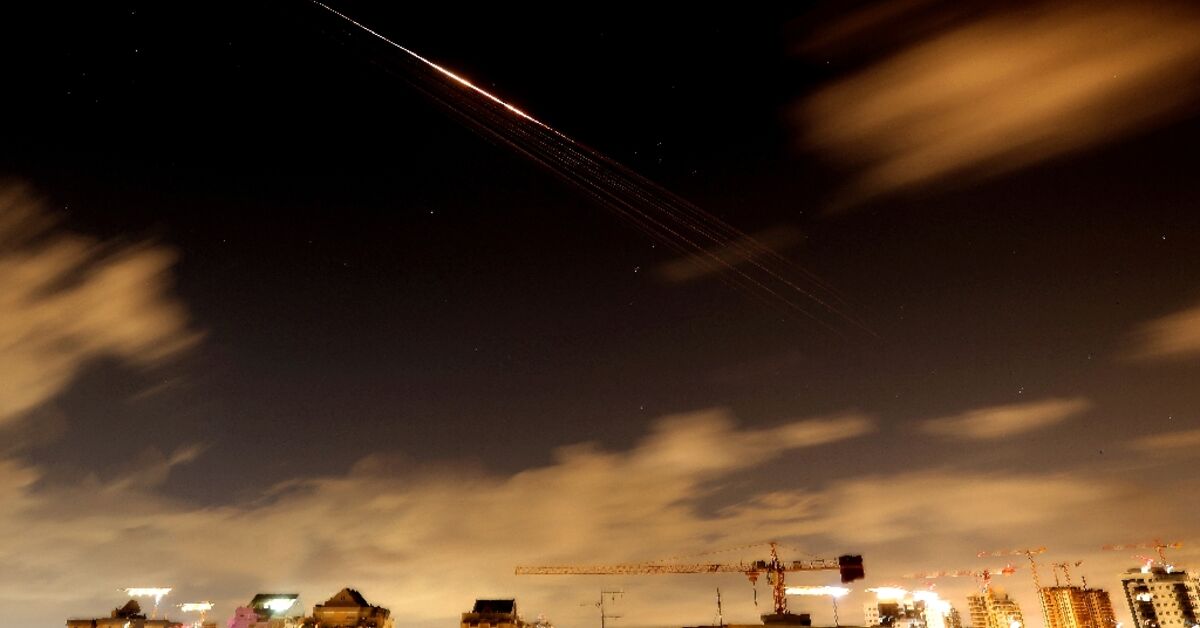
The Iranian Revolutionary Guard warned civilians throughout the Middle East on Friday against approaching areas near U.S. forces, marking a new escalation in Iranian threats. This warning followed President Donald Trump's extension of the deadline given to Tehran to open the Strait of Hormuz, where he threatened to destroy Iranian energy assets if they did not comply. The deadline has been extended from Friday to April 6.
Trump's statements come at a sensitive time, as tensions in the region have escalated due to the ongoing conflict between the United States and Iran. While Trump indicated that talks to end the month-long war were progressing well, the Iranian Revolutionary Guard appears less optimistic, urging civilians to exercise caution.
Details of the Situation
In this tense atmosphere, the Strait of Hormuz is a vital strategic point, through which approximately 20% of global oil supplies pass. This strait serves as a crucial launch point for Iranian oil exports, making any threat to close or control it by U.S. forces extremely significant.
The Iranian Revolutionary Guard, considered one of the military arms of the Iranian regime, has previously expressed its readiness to respond to any threats concerning Iran's interests in the region. It has indicated that any movements by U.S. forces could lead to serious military escalation.
Background & Context
Historically, the Strait of Hormuz has witnessed numerous crises and tensions, especially in the post-1979 Iranian revolution period. There have been several attempts by the United States and its allies to pressure Iran, leading to heightened military tensions in the region. In recent years, these tensions have significantly increased, particularly following the U.S. withdrawal from the Iranian nuclear deal in 2018.
Iran views the presence of U.S. forces in the region as a threat to its national security and has significantly developed its military capabilities to counter these threats. At the same time, the United States seeks to enhance its military presence in the region as part of its strategy to pressure Tehran.
Impact & Consequences
Trump's extension of the deadline could lead to escalating tensions in the region, as Iran may perceive this as a challenge to its sovereignty. Should Iran fail to respond to the deadline, the United States might take military action, potentially resulting in armed conflict in a highly sensitive area.
Any military escalation in the region could significantly impact global oil prices, as any closure of the Strait of Hormuz would lead to a substantial increase in prices, affecting the global economy. Neighboring countries, such as Iraq and Gulf states, would be directly impacted by any military escalation.
Regional Significance
Arab countries neighboring Iran, such as Iraq, Kuwait, and Saudi Arabia, find themselves in a precarious position amid these tensions. Any military escalation could have negative repercussions on security and stability in these countries, potentially exacerbating internal and external conflicts.
Ultimately, the situation in the region remains complex, with political and military interests deeply intertwined. Serious dialogue among the concerned parties is required to avoid military escalation that could lead to dire consequences.