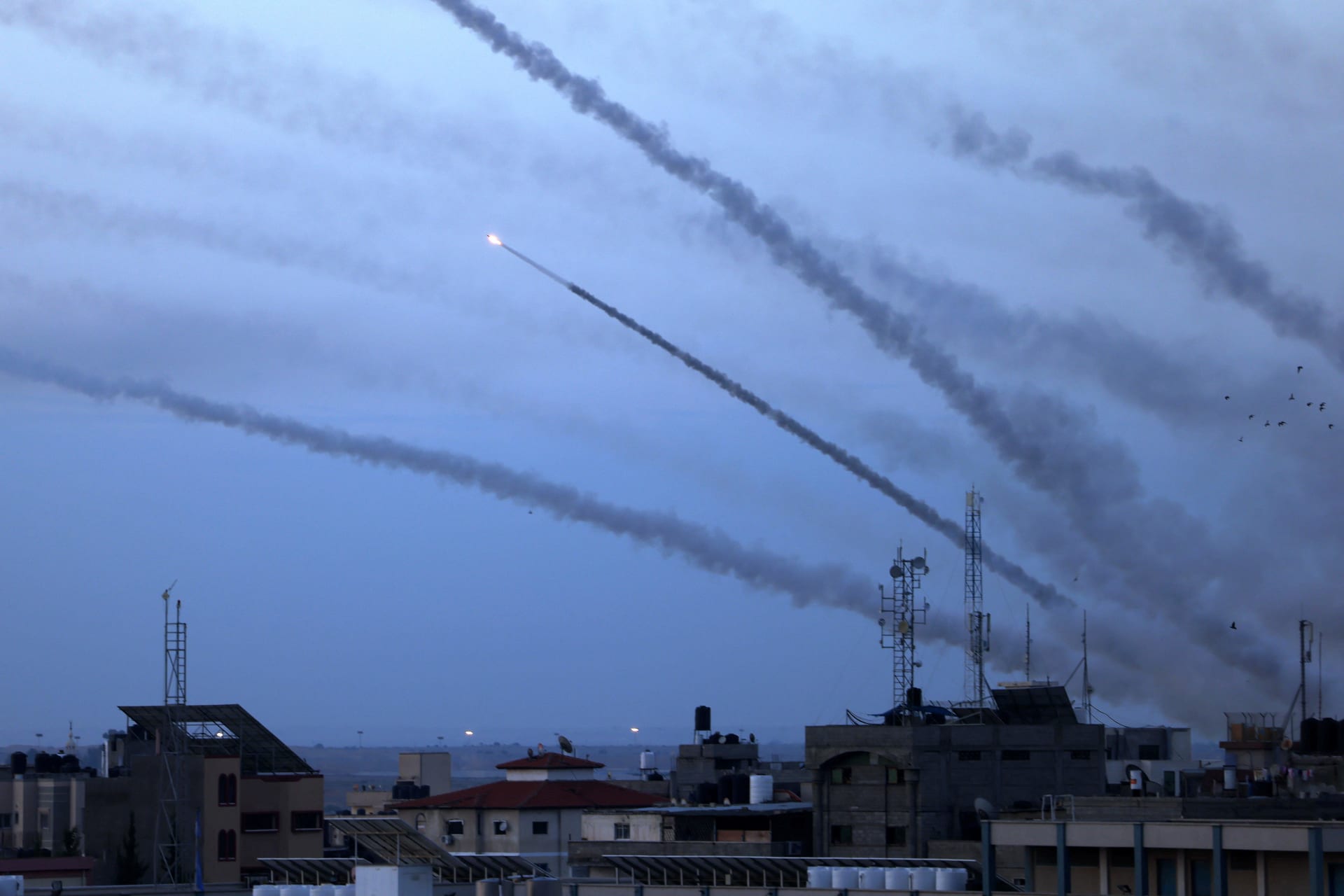
Majid Mousavi, the commander of the Iranian Revolutionary Guard's air force, warned that any threats or warnings directed at Iran should be considered a declaration of war. Mousavi stated in a post on the platform "X" that recent U.S. pressures, particularly regarding the Strait of Hormuz, have prompted Iran to take clear retaliatory steps, referring to the recent strikes that targeted the cities of Dimona and Haifa.
In this context, Mousavi considered those strikes to be a "clear message" reflecting Iran's response to what he described as American threats. These statements come at a sensitive time, as tensions between Iran and the United States are escalating, raising concerns about a potential military escalation in the region.
Details of the Event
Mousavi's statements come at a time when Iranian-American relations are increasingly strained, with Iran accusing the United States of interfering in its internal affairs and threatening its national security. Mousavi indicated that any escalation by the United States or its allies in the region would face strong reactions from Iran, further heightening tensions in the Arabian Gulf.
Mousavi also added that Iran would not hesitate to use its military power to defend its interests and that it is closely monitoring any U.S. movements in the region. The U.S. pressures on Iran are seen as part of the maximum pressure policy adopted by the previous Trump administration, aimed at undermining Iran's influence in the Middle East.
Background & Context
Historically, Iranian-American relations have been marked by recurring tensions, especially following the Islamic Revolution in 1979. Since then, Iran has become a target of U.S. policies in the Middle East, with Washington seeking to diminish Tehran's influence in the region. These tensions significantly escalated after the U.S. withdrawal from the Iranian nuclear deal in 2018, leading to the re-imposition of economic sanctions on Iran.
In recent years, tensions have intensified further, with the region witnessing a series of military incidents, including attacks on oil tankers and airstrikes targeting Iranian positions in Syria. These events suggest that the conflict between Iran and the United States may be heading towards a larger escalation, threatening the stability of the entire region.
Impact & Consequences
Mousavi's statements carry significant implications for regional and international security. Iran's declaration that U.S. threats are considered a declaration of war could lead to military escalation with potentially devastating effects on the region. Should any escalation occur, the global economy could be affected, particularly in the energy sector, as a large portion of oil supplies passes through the Strait of Hormuz.
Moreover, any military escalation could lead to international intervention, complicating the situation in the region. Neighboring countries to Iran, such as Iraq and Saudi Arabia, may find themselves in a difficult position, increasing the likelihood of new conflicts erupting in the area.
Regional Significance
The neighboring Arab countries to Iran, such as Iraq and Saudi Arabia, are among the most affected by the current tensions. The escalation of tensions between Iran and the United States could destabilize these countries, especially given the presence of armed groups linked to Iran in Iraq and Syria. Additionally, any escalation could impact oil prices, negatively affecting the economies of oil-dependent Arab nations.
In conclusion, the situation in the Arabian Gulf remains extremely sensitive, requiring effective diplomatic dialogue to avoid any military escalation that could lead to catastrophic outcomes. The recent statements from the commander of the Iranian Revolutionary Guard's air force highlight the urgent need for peaceful solutions to the multiple crises in the region.