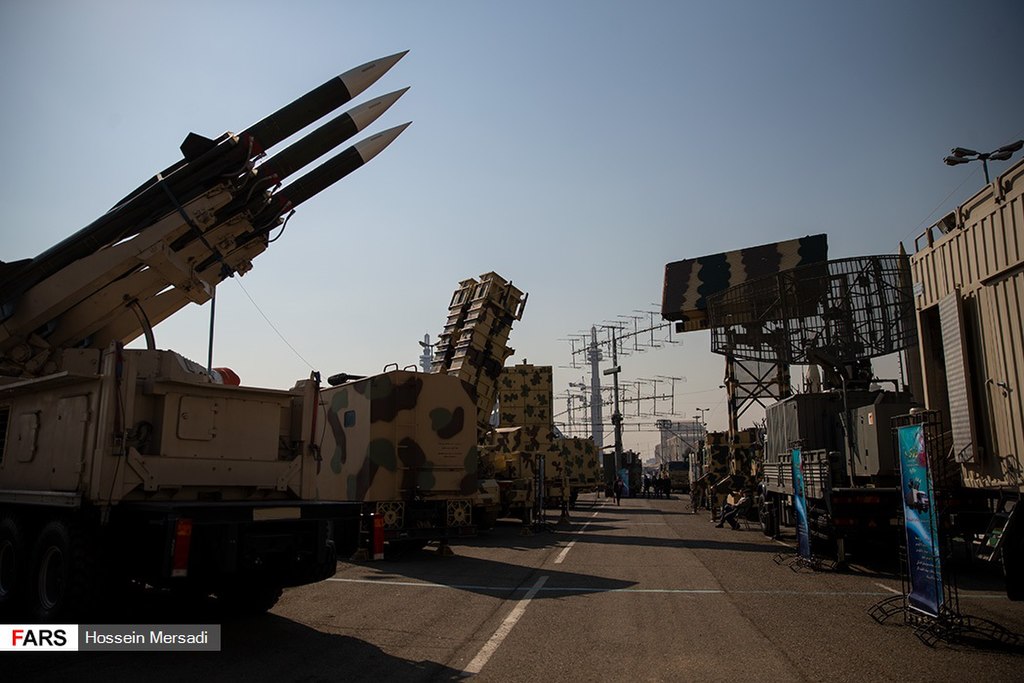
The International Civil Aviation Organization (ICAO) has announced that the recent attacks launched by Iran represent a serious threat to global civil aviation safety. The organization confirmed that these hostile actions could endanger the lives of travelers, necessitating immediate measures to protect aircraft and airports.
In an official statement, the organization clarified that the Iranian attacks, which targeted locations near international flight corridors, could impact air traffic across vast areas, including the Middle East and Europe. It warned that the continuation of these actions could lead to restrictions on aviation in certain regions, negatively affecting air transport and global trade.
Details of the Incident
These warnings come at a time when tensions are escalating between Iran and several Western countries, especially following a series of attacks targeting military and civilian facilities. Reports have indicated that these attacks may be driven by increasing regional conflicts, heightening risks to civil aviation.
Aviation experts have noted that these threats could lead to increased insurance costs for airlines, which would adversely affect ticket prices. The organization has urged member states to enhance cooperation and information sharing to ensure aviation safety during these challenging times.
Background & Context
Historically, the region has witnessed numerous armed conflicts that have affected civil aviation. In 1988, an Iranian civilian aircraft was shot down over the Arabian Gulf, resulting in the deaths of all on board. Since then, civil aviation safety in the region has become a sensitive issue requiring special attention from international bodies.
In recent years, tensions between Iran and Western countries have intensified, particularly after the United States withdrew from the nuclear agreement in 2018. This has led to an escalation of Iranian attacks on military and civilian facilities in the region, increasing concerns about aviation safety.
Impact & Consequences
The repercussions of these threats extend beyond civil aviation, as they could exacerbate humanitarian crises in the region. With rising risks, airlines may hesitate to operate flights to conflict zones, increasing the isolation of affected countries.
Furthermore, these threats could lead to heightened political tensions between nations, as some countries may feel compelled to respond to Iranian attacks in ways that could escalate the conflict. Therefore, the current situation requires an urgent diplomatic solution to avoid further escalation.
Regional Significance
The Arab countries neighboring Iran are among the most affected by these threats. As risks increase, air traffic between Arab nations and Iran may be impacted, affecting tourism and trade. Any escalation in conflict could also lead to a flow of refugees into neighboring Arab countries, increasing economic and social burdens.
In conclusion, the current situation demands urgent international cooperation to ensure civil aviation safety and protect the lives of travelers. Member states of the International Civil Aviation Organization must take effective steps to address these threats and work towards promoting peace and stability in the region.