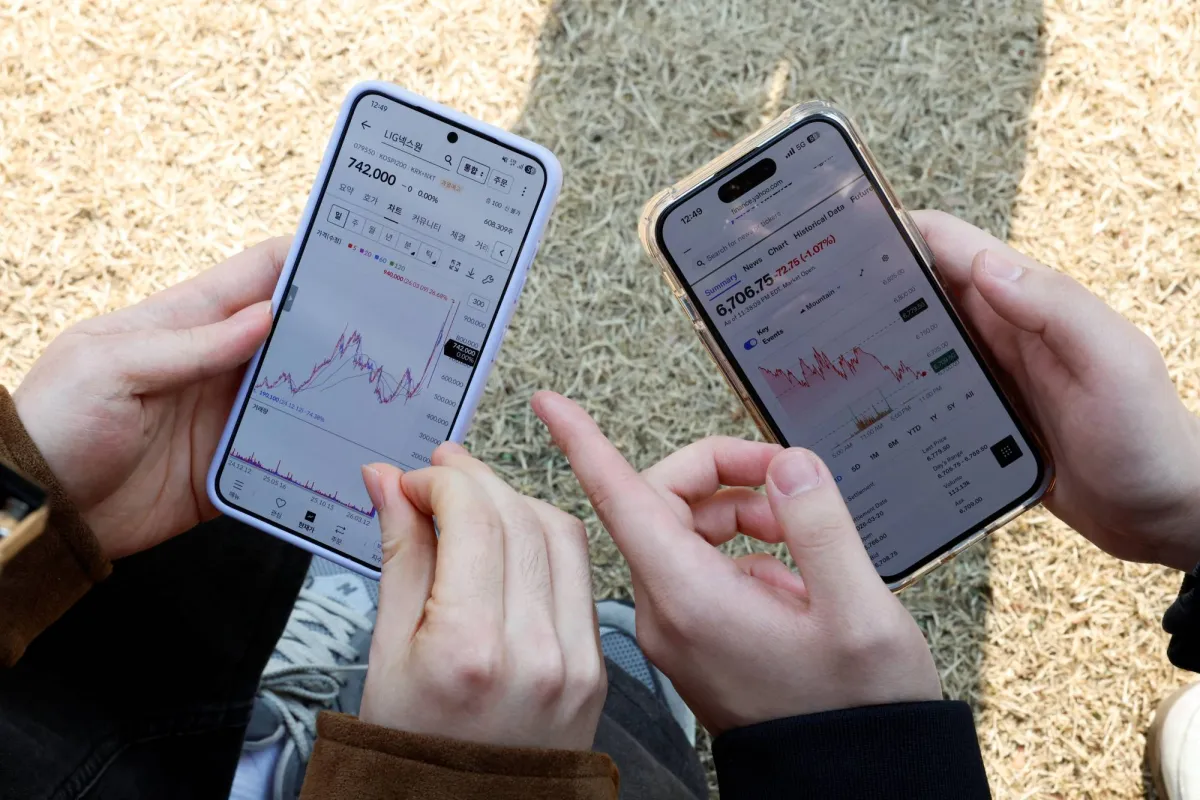
The ongoing conflict in Iran has caused significant disruptions in global financial markets, leading investors to hesitate in taking risks. These conditions have resulted in increased trading costs, raising fears of a repeat of the COVID-19 pandemic scenario.
Investors and traders have confirmed that all major markets, from U.S. Treasury bonds to gold and currencies, have not been spared from these disruptions. In Europe, hedge funds currently dominating bond trading have exacerbated the situation by rapidly liquidating several of their positions this month.
Details of the Event
Investors have noted the difficulty in obtaining prices or executing trades over the past four weeks due to market makers' concerns about engaging in large positions that could quickly turn into substantial losses, according to reports from Reuters. Rajiv De Mello, Chief Investment Officer at GAM Asset Management, stated, "When we try to trade, it takes longer. Market makers want us to be more patient and reduce the size of trades."
The gaps between buying and selling prices of assets have widened, leading everyone to reduce the size of their positions. Volatility indices have risen to levels similar to previous market crises, affecting stocks, bonds, oil, and gold. Even government bond markets, which typically feature depth and liquidity, have been impacted as investor concerns about inflation increase.
Background & Context
In the United States, the spread between bid and ask prices for two-year Treasury bonds widened by approximately 27% in March compared to February, according to a Morgan Stanley report, indicating that traders are demanding a higher premium to take on risks. In the European futures market, the negative impact was evident as traders rushed to price in sharp increases in interest rates by central banks.
Three European financial regulatory bodies confirmed that geopolitical tensions, specifically the war in the Middle East, pose significant risks to the global financial landscape through rising energy prices, potential inflationary pressures, and weakened economic growth. These bodies warned of the impact of volatility on liquidity and the risks of sudden price fluctuations.
Impact & Consequences
Despite organized trading, buyers have significantly retreated, as investors seek to reduce risks and shift to cash liquidity, making traders hesitant in turn. Tom De Galoma, Managing Director of Global Interest Rate Trading at Seaport Global, stated, "Companies have incurred substantial losses; whether on the selling or buying side, leading to reduced liquidity due to a lack of traders."
Eli Carter, Interest Rate Strategist at Morgan Stanley, explained that the widening bid-ask margin makes executing trades more costly and less attractive, despite continued high trading volumes reflecting liquidation trades or loss stops. In Europe, a sharp sell-off in the bond market revealed the impact of hedge funds on the market during times of crisis, a warning previously issued by the Bank of England.
Regional Significance
Arab markets are directly affected by these disruptions, as concerns grow over the impact of rising energy prices on local economies. Additionally, the decline in liquidity in financial markets could lead to a slowdown in economic growth in the region, increasing pressure on governments to address economic challenges.
In conclusion, the war in Iran seems to have added further complexities to the global financial landscape, raising questions about the markets' ability to recover under these volatile conditions.