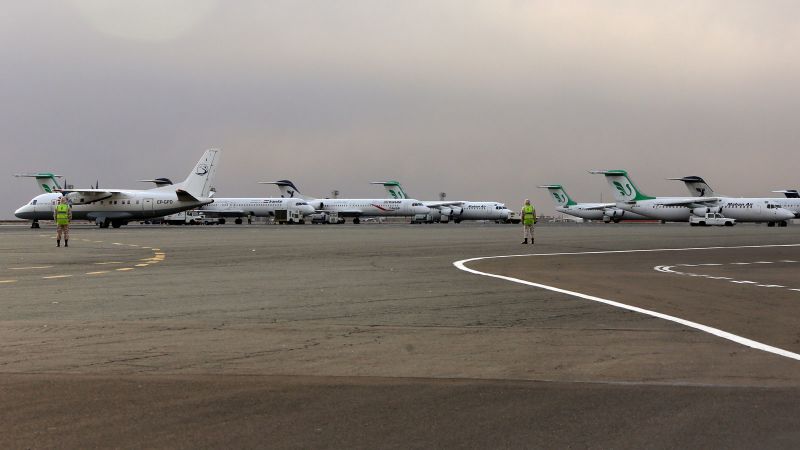
The ongoing war in Iran has led to a significant reshaping of the global aviation sector, as Western airlines have leveraged these circumstances to enhance their presence in new markets. As tensions in the region escalate, many companies are seeking new investment and growth opportunities, drastically changing market dynamics.
These changes present a golden opportunity for Western airlines, which are eager to expand their operations under the current conditions. With the increasing demand for air travel services, these companies are competing to attract travelers from around the world, contributing to increased financial returns.
Details of the Event
Reports indicate that Western airlines, including some American and European companies, have begun expanding their services into areas that were traditionally considered restricted or unavailable. This comes at a time when Iranian airlines are suffering from severe restrictions due to international sanctions, allowing the West to exploit this gap.
Furthermore, data shows that Western airlines have started offering attractive deals to lure travelers, including price reductions and service improvements. These strategies aim to enhance market share amidst growing competition.
Background & Context
Historically, the Iranian aviation sector has faced numerous challenges, ranging from economic sanctions imposed on the country for years to political and social crises. As conflicts in the region escalate, the situation has become more complex, adversely affecting Iran's ability to develop its aviation sector.
In contrast, Western airlines have benefited from these conditions, as they have been able to strengthen their presence in neighboring markets, such as the Gulf Arab states and Turkey. This trend reflects the radical changes in economic and political relations in the region.
Impact & Consequences
These changes significantly impact the global economy, as they could lead to increased competition among airlines, potentially improving services and reducing prices for consumers. However, this situation may also create new challenges, such as heightened political tensions between countries.
Moreover, these developments may affect corporate investments in the region, as Western companies might shift their investments to other countries instead of Iran, which could impact economic growth in the country.
Regional Significance
In light of these circumstances, the Arab region is expected to witness changes in aviation dynamics, as some countries may benefit from increased air traffic. With the rising demand for travel, these opportunities may open doors for Arab airlines to enhance their presence in global markets.
Additionally, these developments could foster cooperation between Arab countries and Western airlines, contributing to the improvement of aviation infrastructure in the region.
In conclusion, these changes in the global aviation sector reflect the impact of the war in Iran on the global economy, opening new avenues for Western airlines and raising questions about the future of the industry amid changing conditions.