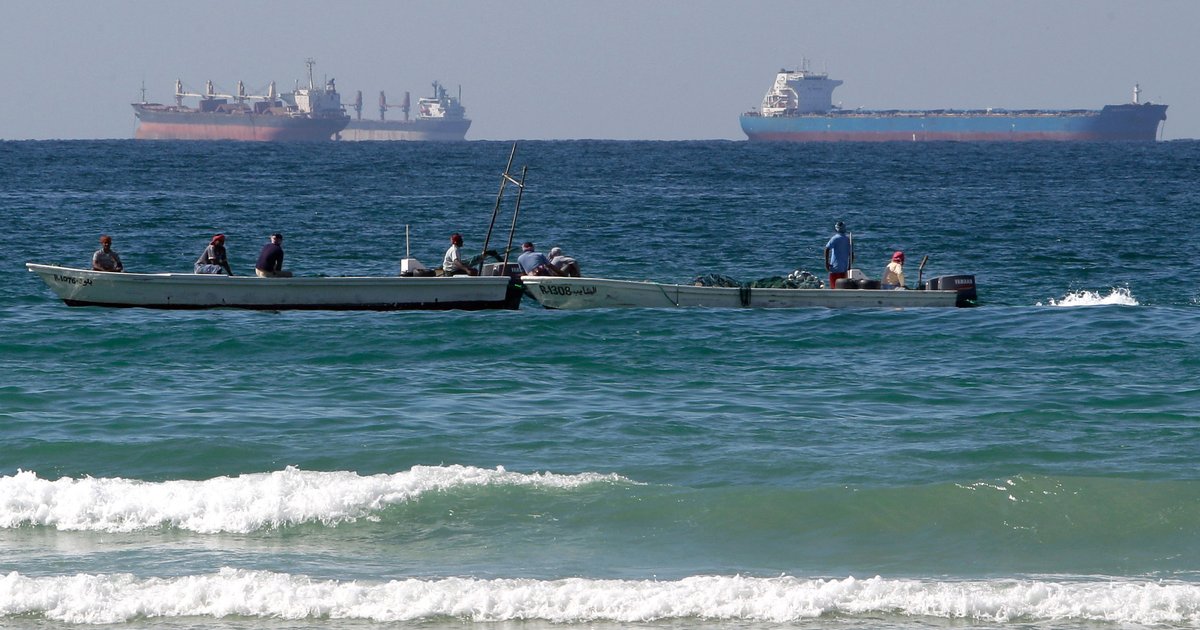
Iraq has announced that it will permit Asian traders and refineries to load its oil, as vessels carrying Iraqi oil can now transit the Strait of Hormuz thanks to an Iranian exemption. This decision tests buyer confidence in security guarantees and reflects significant shifts in the regional oil market.
This announcement comes at a sensitive time as Iraq seeks to boost its oil sales amid economic challenges facing the country. The Iraqi government has informed traders that they can begin loading oil from Iraqi ports, allowing them faster access to global markets.
Details of the Announcement
This step is extremely important, as the Strait of Hormuz is one of the world's most crucial maritime passages, through which approximately 20% of the world's total oil passes. There have been concerns that shipping through this strait could be threatened due to regional tensions, but the Iranian exemption opens the door for Iraq to expand its exports.
It is noteworthy that Iraq heavily relies on oil revenues to finance its budget, so any increase in exports could enhance the stability of the Iraqi economy. Many Asian traders have expressed interest in loading Iraqi oil, indicating their confidence in the security situation in the region.
Background & Context
Historically, the Strait of Hormuz has been the scene of numerous conflicts and political tensions, particularly between Iran and Gulf Arab states. In recent years, there have been multiple attempts to ensure freedom of navigation in this vital strait, especially with rising tensions between the United States and Iran.
Additionally, Iraqi oil is among the most sought-after types in global markets due to its high quality. However, Iraq faces challenges in developing its oil infrastructure, which affects its ability to increase production and exports.
Impact & Consequences
This decision is expected to have positive effects on the Iraqi economy, potentially leading to increased oil revenues, which would help the government address economic challenges. Furthermore, an increase in exports will strengthen Iraq's position in the global oil market, which may improve its relations with importing countries.
However, Iraq must be cautious of potential tensions in the region, as any escalation in conflicts could negatively impact shipping through the Strait of Hormuz and, consequently, its oil exports.
Regional Significance
This development is significant for the Arab region as a whole, as an increase in Iraqi oil exports could lead to stabilization of oil prices in global markets. Moreover, this decision could enhance cooperation among Arab countries in the energy sector, contributing to improved energy security in the region.
In conclusion, Iraq's announcement regarding the possibility of exporting oil through the Strait of Hormuz represents a strategic step that reflects changes in the regional oil market and opens new avenues for economic cooperation among Arab countries.