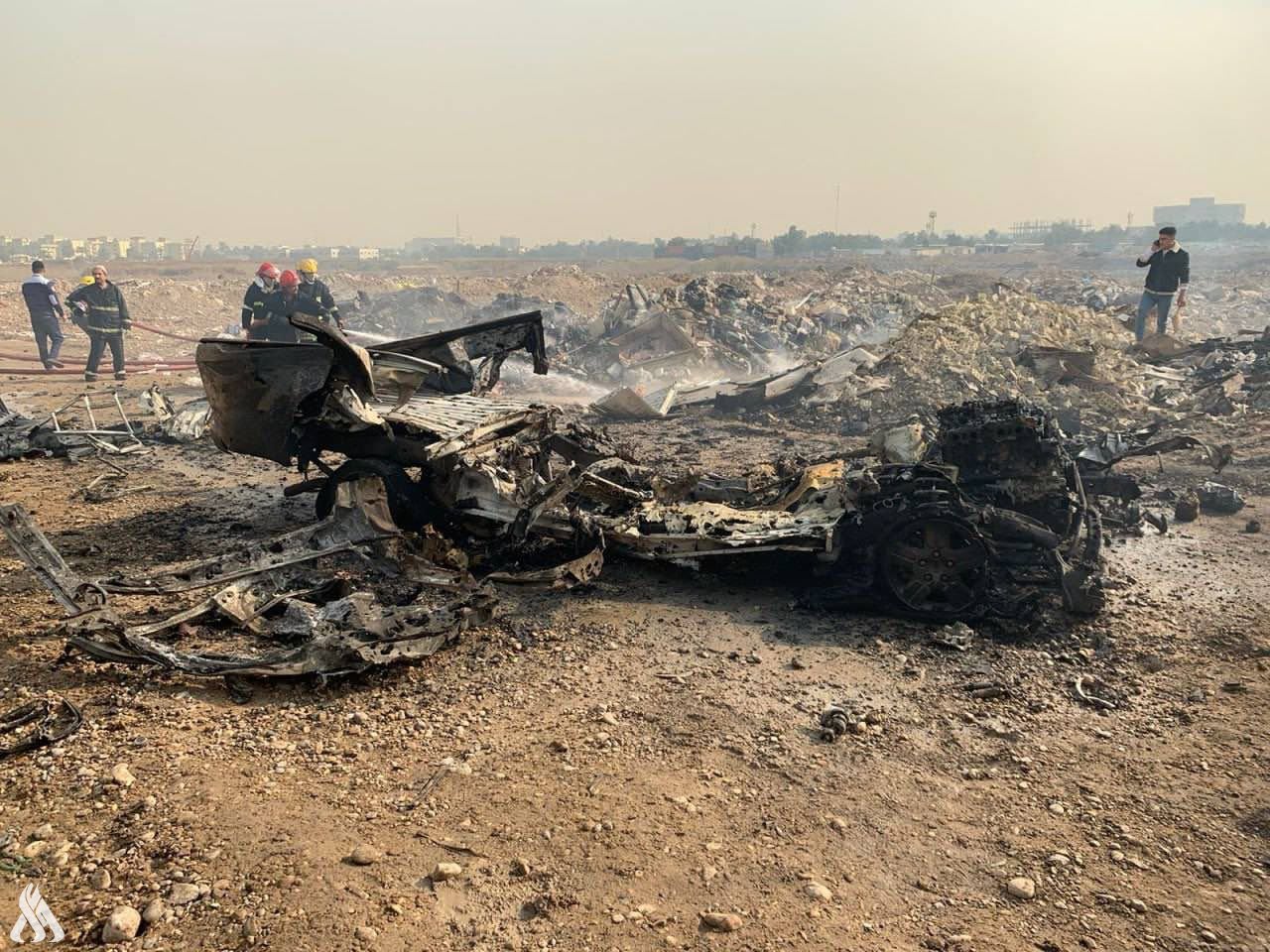
The spokesperson for the Iraqi armed forces announced today the government's decision to confront repeated attacks targeting the headquarters and formations of the Popular Mobilization Forces. This step is part of the government's efforts to protect national security and stabilize the country, especially in light of increasing tensions in the region.
The Popular Mobilization Forces are considered an essential part of the Iraqi armed forces and have played a pivotal role in fighting the terrorist organization ISIS. However, the headquarters of the Popular Mobilization Forces have been subjected to several attacks, raising widespread concerns about the safety of its members and the overall security of the country.
Details of the Incident
In his statements, the military spokesperson confirmed that the Iraqi armed forces would take all necessary measures to protect the Popular Mobilization Forces, indicating that the recent attacks could represent a direct threat to national security. He noted that the government would work to enhance security measures around the headquarters of the Popular Mobilization Forces to ensure the safety of its members.
He also added that these attacks are not merely random assaults but indicate the existence of parties seeking to destabilize Iraq, necessitating a decisive response from the government.
Background & Context
The Popular Mobilization Forces were established in 2014 in response to the emergence of ISIS and were later integrated into the Iraqi armed forces. Since then, the Popular Mobilization Forces have become a major force in combating terrorism, but they have faced criticism due to some actions of their members. In recent years, attacks on their headquarters have increased, leading to heightened tensions among various political and military factions in the country.
These events coincide with rising regional tensions, where the interests of multiple countries intersect in Iraqi affairs, complicating the security situation further. There are also concerns that these attacks could lead to greater escalation of violence, negatively impacting Iraq's stability.
Impact & Consequences
Confronting the attacks on the Popular Mobilization Forces is considered an important step for the Iraqi government, reflecting its commitment to protecting state institutions. However, this step may lead to escalating tensions with the parties behind these attacks, potentially intensifying the conflict in the country.
If the government fails to control the situation, it could exacerbate political and security crises, negatively affecting citizens' lives. Additionally, the continuation of these attacks could impact relations between Iraq and its neighbors, especially amid current regional tensions.
Regional Significance
The events in Iraq are part of a larger picture of tensions in the Arab region, where the political and military interests of several countries overlap. The escalation of violence in Iraq could affect the stability of neighboring countries and may lead to an influx of refugees or increased border tensions.
Moreover, the situation in Iraq could have repercussions for other armed groups in the region, potentially encouraging them to take similar actions. Therefore, Iraq's stability is vital not only for its own security but for the security of the entire region.
In conclusion, the situation in Iraq remains under observation as security and political challenges increase. The government's ability to confront the attacks and protect the Popular Mobilization Forces will have significant implications for the country's future and stability.