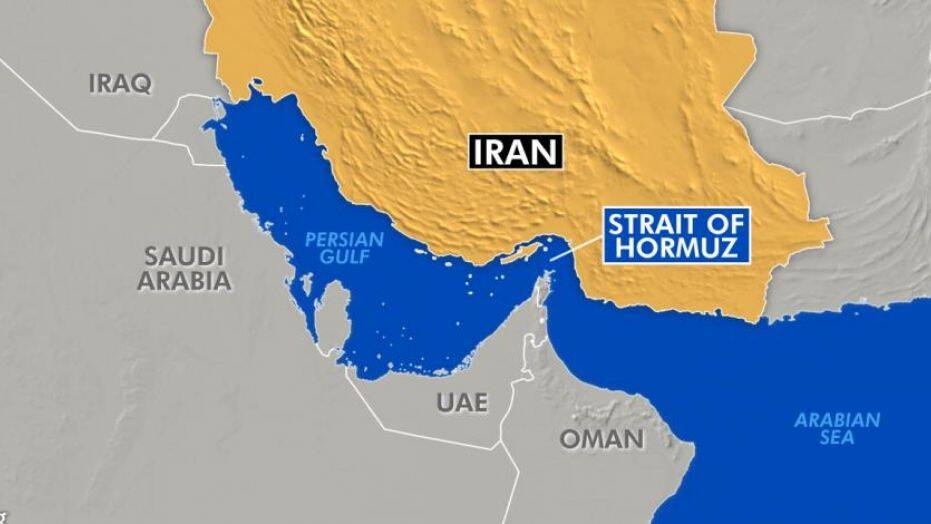
The Iraqi Oil Marketing Company (SOMO) has requested its clients to provide oil loading schedules within 24 hours, in an urgent step aimed at speeding up export operations, following reports that Iran has exempted Iraq from transit restrictions through the Strait of Hormuz.
According to a document seen by Reuters, the company urged clients to immediately specify the vessels and contracted quantities to ensure the continuity and stability of crude oil export operations and to manage shipping programs in a timely manner.
Details of the Event
The document confirmed that all Iraqi loading ports, including the Basra port, are operating at full capacity, indicating SOMO's readiness to implement export programs without any restrictions, despite regional disruptions. This step comes at a time when Iraq is seeking to restore its oil production levels, which have declined from 4.5 million barrels per day before the war to about 800,000 barrels per day last month, due to the repercussions of the war on Iran and its disruption of oil supplies through the Strait of Hormuz.
Despite positive indicators, a sense of caution still prevails in the markets, as some traders doubt the willingness of shipping companies to risk sending their tankers to the Gulf amid the ongoing U.S.-Israeli war on Iran.
Background & Context
Historically, the Strait of Hormuz is one of the most important maritime corridors for oil transportation, through which about 20% of global oil supplies pass. The region has witnessed increasing tensions in recent years, affecting the stability of oil markets. Iraq, which heavily relies on its oil exports, is now striving to enhance its production under these volatile conditions.
In a related context, South Korean President Yoon Suk-yeol stated that his country is forced to accept "a degree of risk" in importing crude oil from the Middle East, given the disruptions occurring in the Strait of Hormuz due to the ongoing war. The South Korean president explained during a cabinet meeting that alternative options are limited, warning that a complete halt of supplies could pose a serious threat to the economy and the lives of citizens.
Impact & Consequences
Markets expect this step to lead to an increase in Iraq's exports, which could contribute to improving the country's economic situation. However, concerns about targeting vessels or disruptions to navigation remain, making the return of oil flows to pre-war levels contingent on field developments.
Moreover, the continuation of the war in the region may affect the stability of global oil prices, which could have broader implications for the global economy. Therefore, any escalation in the situation could lead to significant market fluctuations.
Regional Significance
These developments are significant for the Arab region, where many countries rely on oil exports as a primary source of revenue. Iraq's enhancement of its exports could contribute to price stability, benefiting importing countries.
In conclusion, the situation in the Strait of Hormuz remains under observation, as any changes in security conditions could significantly impact global trade flows.