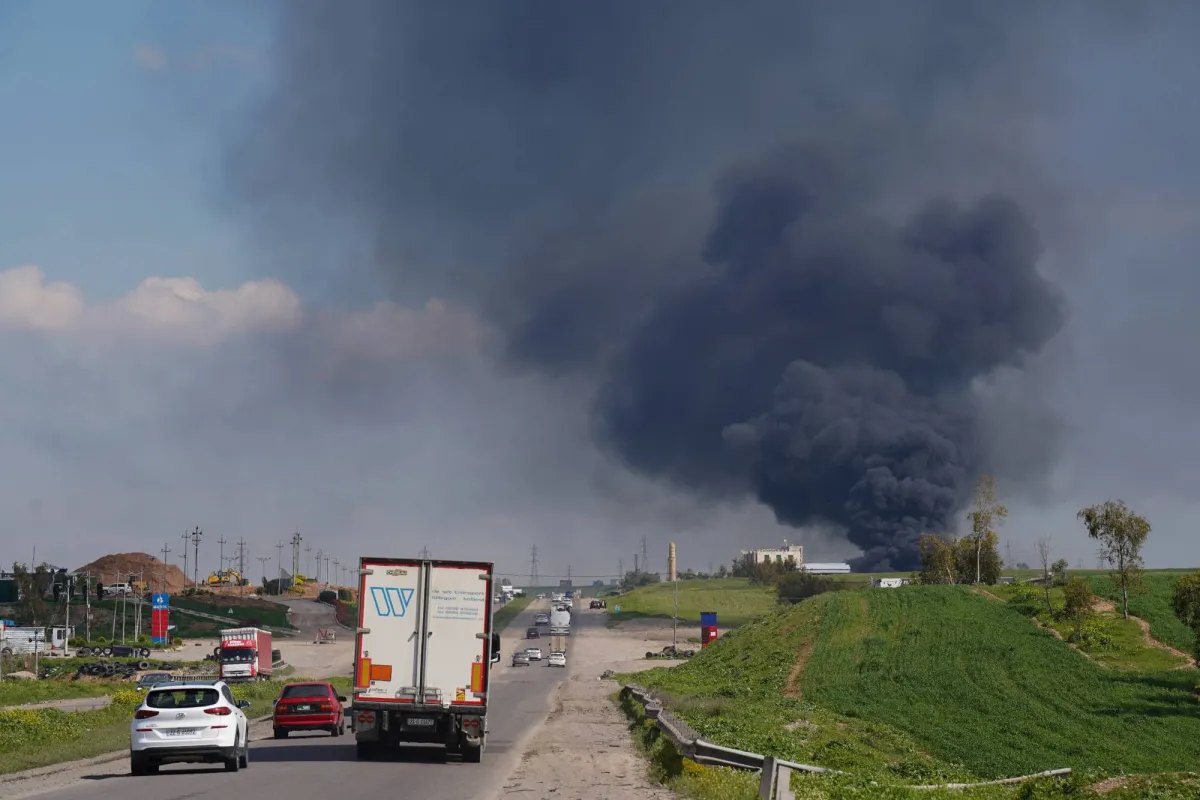
Iraq has closed the southern Shalamcheh border crossing with Iran after airstrikes targeted the Iranian side, resulting in the deaths and injuries of several Iraqi citizens. Security sources reported that the airstrikes led to the death of one person and injured six others, prompting Iraqi authorities to make the decision to close the crossing.
This action comes at a time when the region is experiencing increasing military escalation, with ongoing Israeli airstrikes in Lebanon, heightening tensions among the involved parties.
Details of the Incident
According to Reuters, the airstrikes that targeted the Iranian side of the border resulted in casualties among Iraqi citizens. The Iraqi government quickly decided to close the Shalamcheh crossing, which is one of the main crossings between Iraq and Iran, in a move aimed at protecting citizens and avoiding further escalation.
The Shalamcheh crossing is a vital point for trade and movement between the two countries, witnessing active traffic from travelers and traders. With its closure, it is expected that trade movement and the local economy in the region will be significantly affected.
Background & Context
The Iraqi-Iranian border has seen increasing tensions recently due to airstrikes carried out by Israeli forces in Lebanon, targeting sites affiliated with Hezbollah. These airstrikes are part of the ongoing conflict between Israel and its allies on one side, and Iran and its allies on the other, complicating the security situation in the region.
Recent events in Lebanon, including Israeli airstrikes on the southern suburbs, have directly impacted the security situation in Iraq, where many citizens are concerned about the repercussions of these events on their personal safety.
Impact & Consequences
The closure of the Shalamcheh crossing may exacerbate economic conditions in the region, as many traders and citizens rely on this crossing for their daily movements. This decision may also reflect rising tensions between Iraq and Iran and indicates the possibility of greater escalation in the future.
From a security perspective, the closure of the crossing may increase fears of arms smuggling or armed elements crossing the border, which enhances the instability in the region.
Regional Significance
The events in Iraq and Iran are part of a larger picture of regional tensions that involve many Arab countries. The ongoing conflict in Lebanon and tensions between Iran and Israel directly affect security and stability in the region.
Under these circumstances, Arab countries must make greater efforts to enhance security and economic cooperation and work to contain tensions before they escalate and lead to catastrophic outcomes.
In conclusion, the closure of the Shalamcheh crossing comes at a highly sensitive time, with growing concerns about escalating military tensions in the region. The current situation requires all involved parties to exercise wisdom and restraint to avoid further escalation.