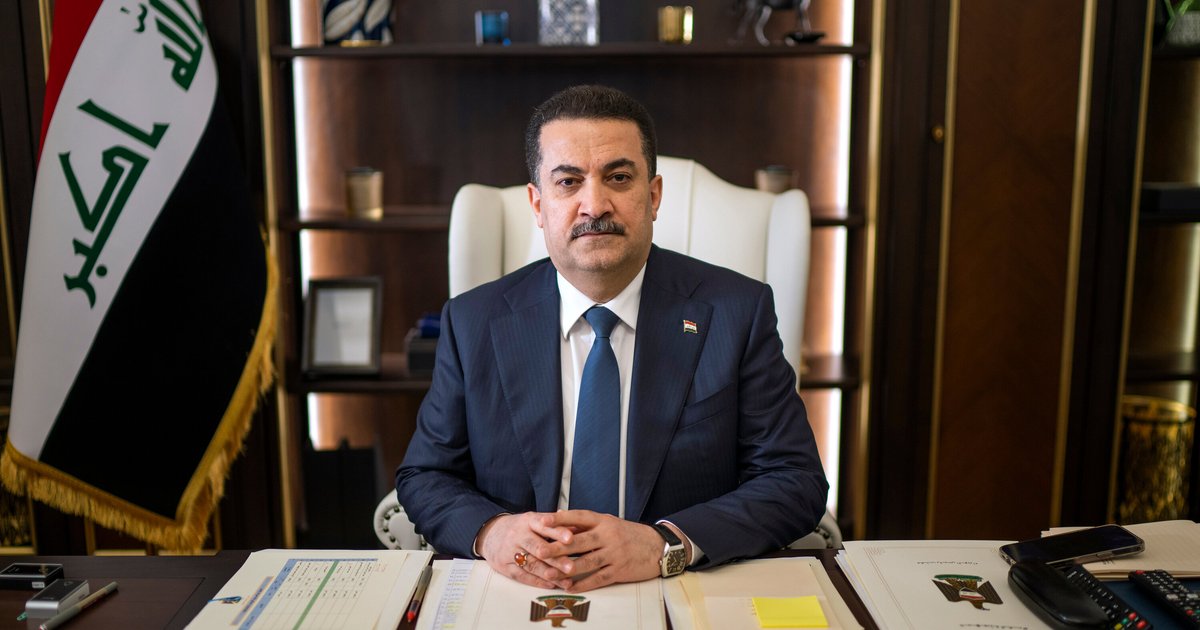
The advisor to the Prime Minister of Iraq, in exclusive statements to Al Arabiya, confirmed that the Iraqi government is not seeking to involve the country in the current regional conflict. He explained that Iraq is focused on preserving its sovereignty and stability amid the tense conditions prevailing in the region.
These statements come at a sensitive time, as tensions are escalating between several countries in the region, raising concerns about negative repercussions for Iraq, which is still suffering from the effects of previous conflicts.
Details of the Situation
In his remarks, the advisor pointed out that Iraq is striving to build balanced relations with all its neighbors and to remain neutral in the ongoing conflict. He emphasized that the Iraqi government is working to enhance internal security and provide stability for its citizens, away from any regional conflicts.
He also mentioned that Iraq has a long history of conflicts, which should serve as a lesson for everyone about the importance of dialogue and understanding instead of resorting to force. He expressed hope that wisdom would prevail in dealing with regional issues.
Background & Context
Historically, Iraq has witnessed numerous conflicts and wars that have significantly impacted its stability. Since the American invasion in 2003, Iraq has faced major challenges in rebuilding the state and enhancing security. The ongoing struggle against ISIS has exacerbated the situation, prompting the Iraqi government to work diligently to achieve stability.
In recent years, the region has seen a rise in tensions between Iran and the United States, in addition to conflicts in Syria and Yemen. These circumstances make it difficult for Iraq to maintain its neutrality, especially under regional and international pressures.
Impact & Consequences
Iraq's reluctance to engage in the regional conflict may affect its relationships with neighboring countries. On one hand, this could strengthen ties with some nations, while on the other hand, it may provoke resentment from others who wish to exploit the situation to their advantage.
Moreover, maintaining stability in Iraq can have a positive impact on regional security. The more stable Iraq is, the safer the entire region becomes. This requires the Iraqi government to take decisive steps to enhance internal security and provide essential services to its citizens.
Regional Significance
The statements from the Iraqi official are particularly significant given the tense conditions in the region. Iraq, as a central state in the Middle East, plays a vital role in achieving regional stability. Its non-involvement in conflicts could serve as a model for other Arab countries.
In conclusion, Iraq faces significant challenges, but by focusing on dialogue and understanding, it can make progress towards stability and peace. Maintaining neutrality in regional conflicts may be a positive step towards building a better future for the Iraqi people.