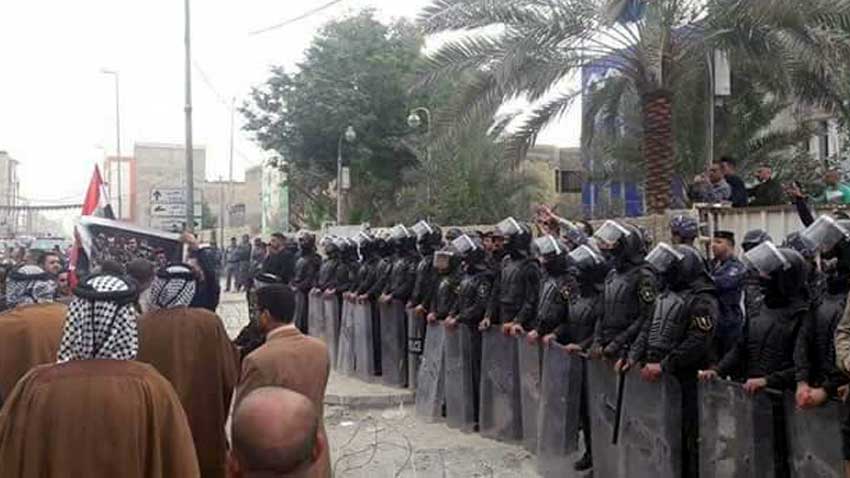
The Iraqi authorities have announced that they will issue a directive in the coming hours to ease the security alert that has been in place for the past 39 days. This decision comes after the armed factions declared a halt to their operations, indicating a notable improvement in the security situation in Iraq.
This step follows a period of heightened security tensions in the country, where armed factions had carried out several operations in various areas, prompting the Ministry of Defense and the Ministry of Interior to impose a state of maximum alert. This situation significantly impacted the daily lives of citizens, increasing fears of escalating violence.
Details of the Event
The Iraqi government aims to restore security stability by easing stringent security measures. The alert was imposed following a rise in armed activities, with factions demonstrating significant activity in certain regions. However, the decision to ease this alert reflects the government's efforts to enhance security and stability.
This decision comes after consultations among security leaders, who comprehensively assessed the security situation. Officials indicated that the security situation has improved significantly, allowing for the relaxation of security measures. This decision is expected to contribute to improving the daily lives of citizens and enhancing trust in the government.
Background & Context
Over the past years, Iraq has witnessed multiple conflicts that have led to a deterioration of the security situation. Armed factions, active in many areas, have contributed to creating an environment of instability. However, the Iraqi government's efforts in combating terrorism and enhancing security have begun to bear fruit.
Historically, armed factions played a significant role in Iraq's security landscape, but over time, the government has started to take serious steps towards regaining control. These steps include strengthening security forces and developing strategies to combat terrorism.
Impact & Consequences
The easing of the security alert may have positive effects on the Iraqi economy, potentially leading to increased commercial and tourism activity. Additionally, improving the security situation may enhance foreign investment opportunities in the country, contributing to economic rebuilding.
On the other hand, this decision may bolster trust between citizens and the government, as people feel safer and more secure. However, the government must remain vigilant and continue its efforts to ensure that armed factions do not return to hostile activities.
Regional Significance
The improvement of the security situation in Iraq could have positive repercussions for neighboring countries, as it may contribute to enhancing regional stability. Iraq, as a pivotal state in the region, plays an important role in achieving security and stability.
Moreover, Iraq's stability could improve relations among Arab states, potentially leading to enhanced security and economic cooperation between countries. This dynamic could open new avenues for regional collaboration and promote peace in the area.
In conclusion, the easing of the security alert in Iraq represents a positive step towards restoring stability. However, the government must remain cautious and continue its efforts to ensure that armed factions do not return to hostile activities.