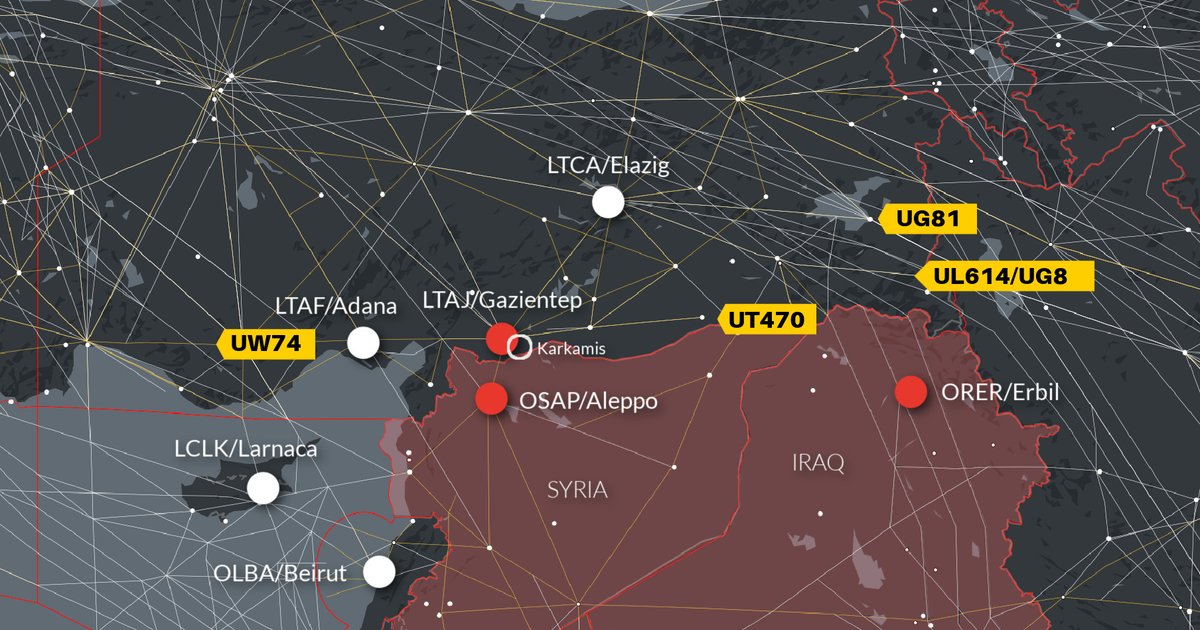
The Iraqi government has announced the extension of the country's airspace closure for an additional 72 hours, in a move aimed at enhancing security and stability under the current circumstances. This decision comes after a series of security incidents that have occurred in the country, prompting authorities to take precautionary measures to ensure the safety of citizens and the airspace.
This step follows a rise in security tensions in Iraq, where several incidents related to internal stability have been recorded. Government officials indicated that this closure is part of a comprehensive plan to address the security challenges facing the country.
Details of the Closure
The decision to close the airspace was made after intensive consultations between security and government agencies, where the security situation in the country was assessed. Local and international airlines have been informed of this decision, significantly affecting air traffic. The closure encompasses all flights, both domestic and international, reflecting the government's seriousness in dealing with security threats.
It has also been confirmed that this closure will not only impact air traffic but will also include heightened security measures at airports and surrounding areas. Security presence in these areas has been reinforced to ensure the safety of travelers.
Background & Context
Historically, Iraq has experienced numerous security crises that have led to similar measures being taken. In past years, there have been instances of temporary airspace closures due to political tensions or terrorist attacks. This closure is considered part of the Iraqi government's strategy to enhance internal security and ensure the safety of citizens.
It is noteworthy that Iraq faces multiple security challenges, including threats from armed groups and terrorist operations. This has led to increased security awareness among both the government and citizens alike.
Impact & Consequences
This closure is expected to have a significant impact on air travel and tourism in Iraq. Many airlines have expressed concern over this decision, as it will lead to the cancellation of numerous flights and delays for others. Additionally, this closure may affect both domestic and international tourism, potentially negatively impacting the Iraqi economy.
On the other hand, some experts believe that these security measures may be necessary under the current circumstances. They argue that enhancing security could help restore confidence among citizens and visitors alike.
Regional Significance
The impact of this decision extends to neighboring countries, as it may affect regional air traffic. Some countries may seek to bolster their security measures in light of these developments. Furthermore, the security situation in Iraq could have implications for stability across the entire region, warranting close monitoring by neighboring nations.
In conclusion, the question remains regarding the effectiveness of these measures in achieving security and stability in Iraq. As tensions continue, it will be essential to closely follow developments.