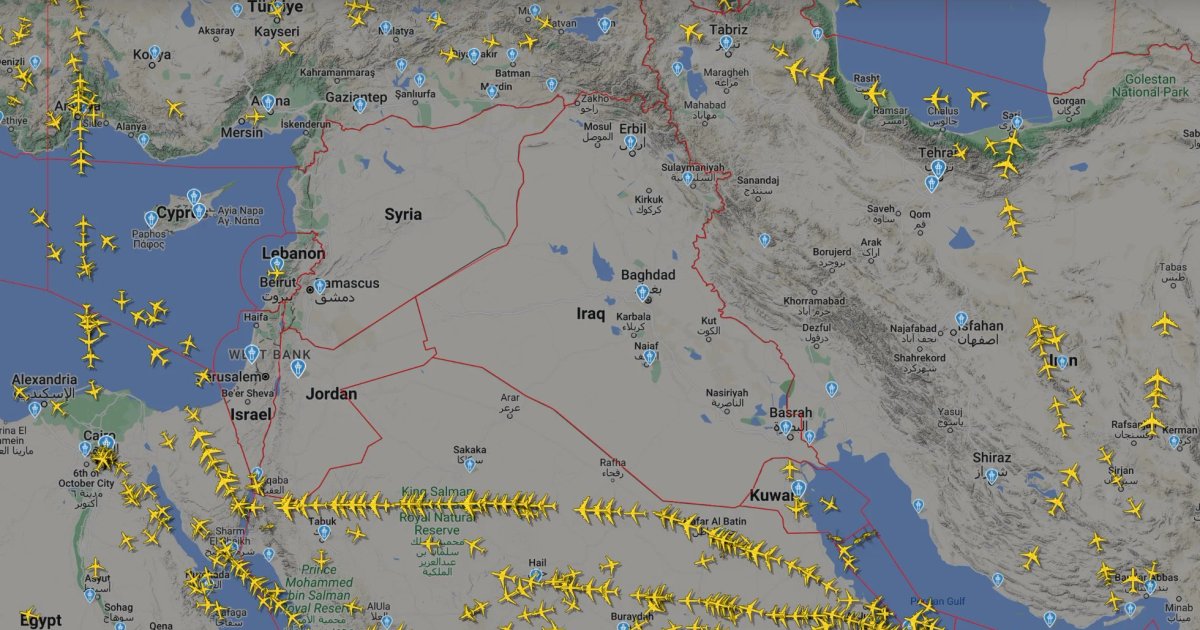
The Iraqi government has announced a 72-hour extension of the country's airspace closure, aimed at enhancing security measures under the current circumstances. This decision follows a comprehensive assessment of the security situation in Iraq, as authorities seek to protect Iraqi airspace from potential threats.
This closure is part of a series of measures taken by the Iraqi government recently, with the airspace previously closed due to increasing regional tensions. Authorities hope that this action will contribute to providing a safer environment for citizens and residents in the country.
Details of the Event
The decision to extend the closure was made after intensive consultations among various security agencies, where potential risks facing civil aviation were evaluated. Officials indicated that this measure is necessary to ensure the safety of air travel, especially given the increasing threats from armed groups.
It is worth noting that the airspace closure has significantly impacted flight operations, leading to the cancellation of numerous flights, which has disrupted travel plans for many passengers. Authorities are working to provide necessary information to travelers affected by this decision.
Background & Context
These developments come at a time when Iraq is facing increasing security challenges, with armed activities escalating in some areas. The Iraqi government has previously taken similar measures in response to security conditions, reflecting its commitment to protecting citizens.
Historically, Iraq has experienced periods of security turmoil, leading to strict measures to safeguard its airspace. These actions are not new but reflect the ongoing challenges the government faces in maintaining security and stability.
Impact & Consequences
The extension of the airspace closure may affect the Iraqi economy, particularly in the tourism and air transport sectors. Companies operating in this field may face losses due to flight cancellations and travel delays.
From a security perspective, this measure could be seen as a positive step towards enhancing safety; however, there must be clear plans in place to address the situation after the closure period ends. The government needs to develop effective strategies to ensure that such measures are not repeated in the future.
Regional Significance
This decision may also impact neighboring countries, as the closure of Iraqi airspace could hinder regional flight operations. Neighboring nations may need to reassess their air travel plans in light of this closure.
Ultimately, it remains to be seen how the Iraqi government will handle the situation after the closure period ends and whether it will take additional steps to ensure the stability of Iraqi airspace.