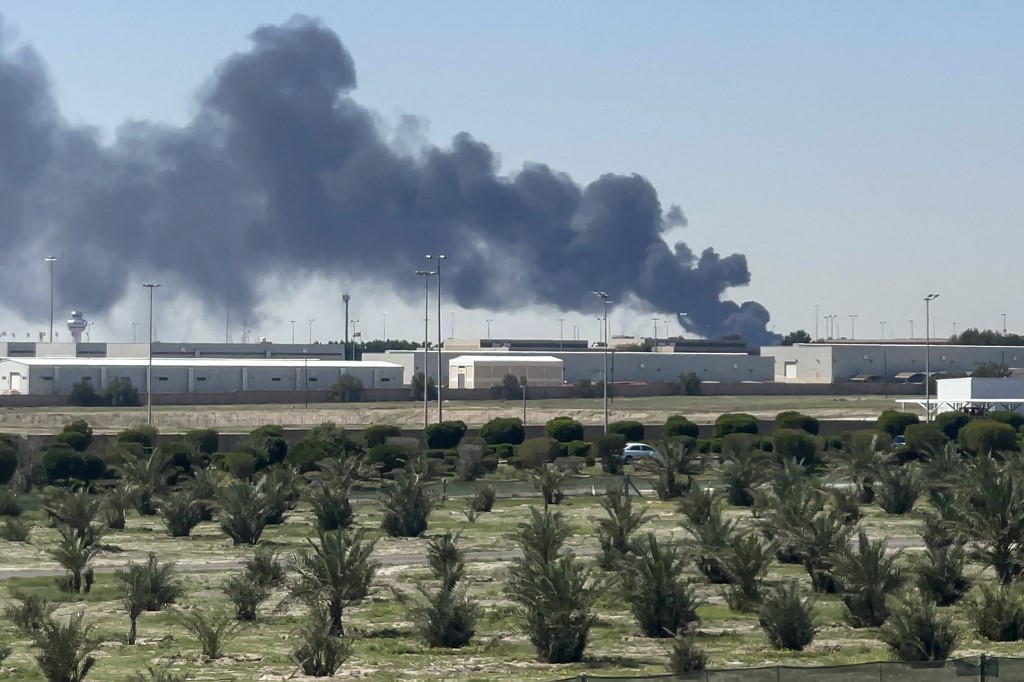
The Iraqi Civil Aviation Authority announced an extension of the airspace closure for all aircraft for an additional week, aimed at enhancing security and aviation safety. This decision comes at a sensitive time for the country, as Iraq seeks to ensure the safety of its airspace amid ongoing regional tensions.
The authority had previously closed the airspace, and this extension appears to reflect ongoing concerns regarding security threats. The decision was made following a comprehensive assessment of the security situation, demonstrating the Iraqi government's commitment to protecting the lives of citizens and residents.
Details of the Airspace Closure
The Iraqi airspace was initially closed as a precautionary measure, encompassing all commercial and private flights. This measure significantly affects air traffic in the region, as many travelers rely on flights through Iraq.
The Iraqi Civil Aviation Authority did not provide specific details regarding the reasons for the extension of the closure, but it confirmed that the decision was made after consultations with security agencies. It is expected that the security situation will be reviewed periodically to determine the possibility of reopening the airspace.
Background & Context
Historically, Iraq has faced numerous security crises that have impacted air travel. Since 2003, the country has encountered significant challenges due to armed conflicts and terrorist threats. This has led to strict measures to ensure the safety of the airspace, including the closure of airspace during times of crisis.
In recent years, security conditions have improved in some areas, but regional tensions continue to affect the country's stability. Additionally, Iraq is considered a strategic transit point for many flights, making air safety a critical concern.
Impact & Consequences
The impact of the airspace closure extends to various sectors, including tourism and commercial transport. Many companies rely on air travel to transport goods and passengers, and thus this closure could lead to significant economic losses.
Moreover, travelers who were planning to fly through Iraq will face difficulties in adjusting their plans, potentially leading to delays in flights and confusion in travel schedules. This situation could negatively affect Iraq's reputation as a safe travel destination.
Regional Significance
The closure of Iraqi airspace is a significant event that affects air travel in the Arab region. Many countries depend on Iraqi airspace as a route for flights, and any closure could lead to increased travel costs and delays.
This measure may also raise concerns among neighboring countries, as security tensions in Iraq could impact the stability of the region as a whole. Therefore, monitoring the security situation in Iraq will be of great importance to neighboring countries and the international community.
In conclusion, the closure of Iraqi airspace remains a vital issue that requires careful monitoring by relevant authorities. Ensuring air safety is a top priority, and the Iraqi government must make appropriate decisions to guarantee the security of its citizens and residents.