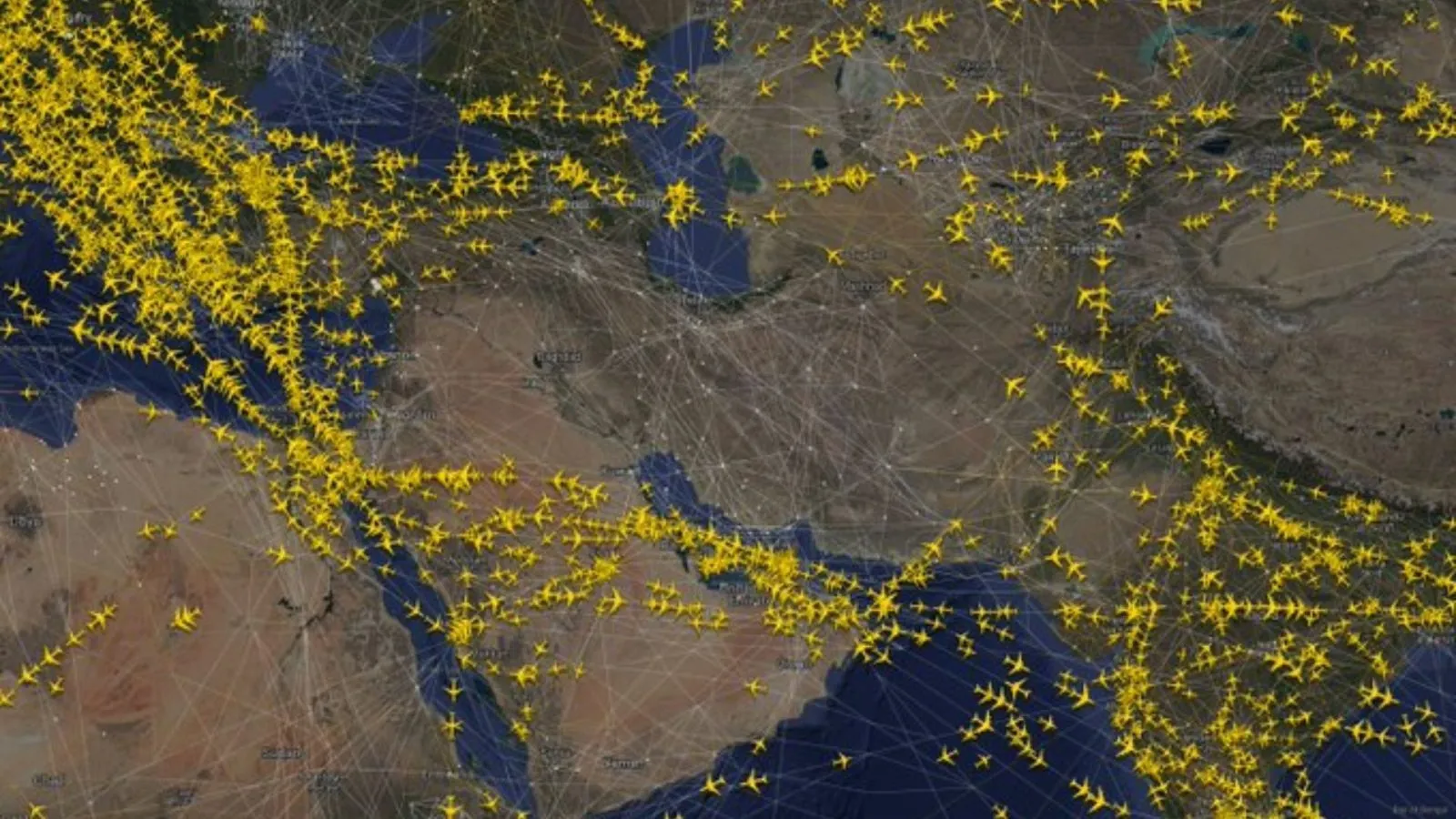
The Iraqi Civil Aviation Authority has announced an extension of the decision to close Iraqi airspace to air traffic for an additional week, as part of an assessment of the deteriorating security situation in the country. This decision comes at a sensitive time, as fears grow regarding attacks on institutions and diplomatic missions, raising concerns within the international community.
In this context, Iraqi Prime Minister Mohammed Shia' al-Sudani stressed the importance of pursuing the parties involved in carrying out armed operations targeting foreign institutions, as well as the kidnapping of foreigners. Al-Sudani affirmed that the government will not tolerate these threats, indicating that there are no red lines in this matter.
Details of the Incident
These developments follow a series of attacks targeting American interests in Iraq, where a group known as "The Owners of the Cave" claimed responsibility for bombarding some sites affiliated with the United States. This escalation has alarmed the Iraqi government, which is striving to maintain stability and enhance security in the country.
Al-Sudani also clarified that the government is working to strengthen cooperation with security forces to ensure the protection of diplomatic missions, noting that any aggression against these institutions will face a strong response. Strict security measures have been implemented to protect foreigners and foreign interests in Iraq.
Background & Context
Historically, Iraq has witnessed numerous attacks targeting diplomatic missions, especially following the withdrawal of American forces in 2011. With the rise of regional tensions, fears of targeting foreign interests have increased, prompting the Iraqi government to take stringent measures to protect these institutions.
These events are part of the ongoing struggle between armed groups and the Iraqi government, as these groups seek to demonstrate their power by targeting foreign interests. This has led to a deterioration of the security situation in the country, negatively impacting foreign investments and tourism.
Impact & Consequences
These developments are expected to affect relations between Iraq and foreign countries, particularly the United States. With the escalation of attacks, foreign nations may decide to reduce their diplomatic presence in Iraq, which will impact the country’s economic and political stability.
Furthermore, the extension of the airspace closure may lead to negative effects on air traffic and trade, increasing pressure on the Iraqi government. At the same time, this situation could heighten tensions between the government and armed groups, potentially exacerbating the security situation.
Regional Significance
The security situation in Iraq serves as an indicator of the challenges facing the Arab region as a whole. With rising tensions in Iraq, neighboring countries may be affected, increasing fears of the spread of instability.
Additionally, these events may influence regional policies, as some countries may seek to bolster their military presence in the region to counter increasing threats. Consequently, the situation in Iraq remains a significant concern for Arab nations and the international community.
In conclusion, the security situation in Iraq remains uncertain as the government seeks to address escalating security challenges. However, the continued attacks on diplomatic missions may worsen the situation, necessitating an urgent response from the international community.