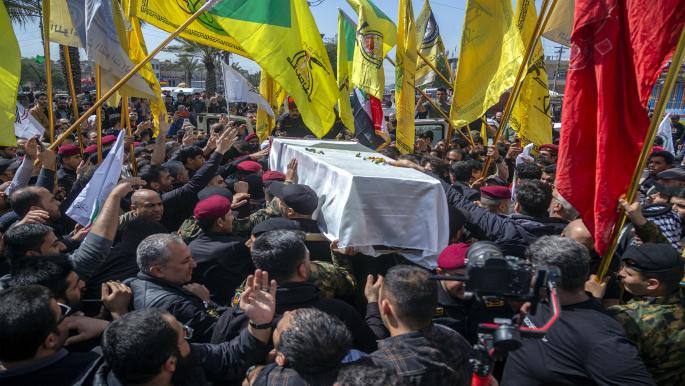
Iraq is currently experiencing a state of political instability, characterized by a confluence of internal and external challenges. These challenges are not limited to Iraq's geographical location but also encompass political biases dominated by Iran, raising concerns about the country's potential slide into chaos.
Reports indicate that Iraq is suffering from severe political conflicts, with various political forces competing for power and influence. This situation reflects a deep division within Iraqi society, complicating the political landscape further.
Details of the Current Situation
In recent years, Iraq has witnessed a rise in political tensions, with increasing divisions among different political parties. These divisions are partly due to Iranian influence, which has become evident in many political decisions made by the Iraqi government. There is also growing concern that these divisions could lead to the disintegration of the country and an increase in chaos.
Moreover, the security situation in Iraq remains fragile, as armed groups, including ISIS, continue to threaten the country's stability. This adds another layer to the crisis, as addressing these threats requires unifying political and security efforts.
Background & Context
Historically, Iraq has been a center of regional and international conflicts, having experienced numerous wars and political crises. Following the American invasion in 2003, Iraq entered a phase of chaos and instability, allowing for regional interventions, particularly from Iran. This intervention has significantly impacted political decision-making in Iraq, making the country susceptible to external influences.
Additionally, Iraq's economic situation exacerbates political crises. The country heavily relies on oil exports, making it vulnerable to fluctuations in global oil prices. These economic challenges affect the government's ability to meet citizens' needs, increasing public discontent.
Impact & Consequences
If the current situation persists, Iraq may face severe repercussions. Political chaos could lead to the disintegration of the state, opening the door for armed groups to seize new territories. This scenario could threaten regional stability, as Iraq serves as a crossroads for many regional powers.
Furthermore, ongoing chaos in Iraq could result in an influx of refugees into neighboring countries, increasing pressure on those nations. Such conditions could exacerbate humanitarian crises in the region.
Regional Significance
Iraq is a crucial component of stability in the Middle East. Any chaos within its borders could impact neighboring countries such as Syria, Jordan, and Turkey. Additionally, a slide into chaos could enhance the influence of extremist groups in the region, complicating security situations further.
Therefore, the international community must act to support stability in Iraq by providing political and economic assistance. There should be joint efforts to reach comprehensive political solutions that ensure Iraq's stability and prevent the spread of chaos.