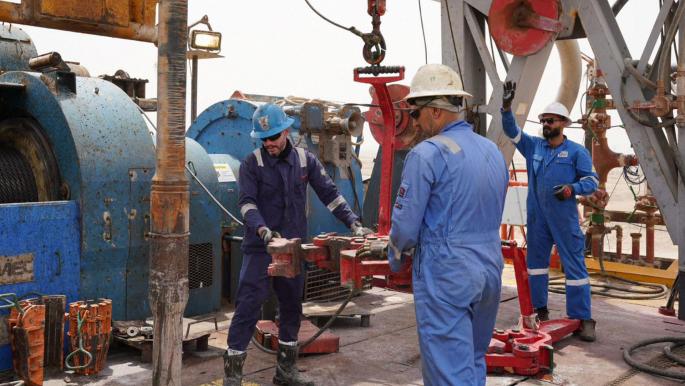
The Director General of the Iraqi Oil Marketing Company has disclosed the Ministry of Oil's plans and procedures for exporting crude oil in light of the current conditions in the region, particularly following the closure of the Strait of Hormuz. These measures aim to ensure the continuity of Iraqi oil exports despite the challenges the country is facing.
These plans come at a critical time, as the Iraqi economy heavily relies on oil revenues. With escalating tensions in the region, it has become essential to take strategic steps to ensure that oil exports are not adversely affected. The Director General indicated that the ministry is working to enhance its production capabilities and expand its foreign markets.
Details of the Event
In a meeting held with the government, the detailed plans laid out by the Ministry of Oil were reviewed, which include improving the infrastructure of the oil sector and expanding the export network. The discussion also covered how to address the challenges that may confront export operations, especially given the closure of the Strait of Hormuz, a vital point for transporting oil to global markets.
The Director General reported that the ministry is seeking alternatives for oil transportation, including increasing reliance on other Iraqi ports and developing new pipelines. The importance of collaborating with global companies to enhance production capabilities was also emphasized.
Background & Context
The Strait of Hormuz is one of the most important waterways in the world, through which approximately 20% of total global oil exports pass. Any closure or restriction in this strait can significantly impact global oil prices and economies reliant on oil, such as Iraq.
Historically, the region has witnessed numerous crises that led to the closure of the Strait of Hormuz, adversely affecting oil exports. Therefore, Iraq, being one of the largest oil producers in the world, needs flexible strategies to cope with these challenges.
Impact & Consequences
The reduction in production due to the closure of the Strait of Hormuz could lead to an increase in global oil prices, which may positively reflect on Iraq's revenues if the government can maintain export levels. However, any disruption in supplies could lead to a deterioration of the Iraqi economy, which heavily depends on oil revenues.
Additionally, these plans may affect trade relations with other countries, as Iraq seeks to strengthen its partnerships with oil-importing nations. It is crucial to have clear strategies to address any changes in the global market.
Regional Significance
These plans are significant not only for Iraq but for the entire Arab region. Iraq represents one of the main pillars in the Arab oil market, and any changes in its production or export could impact price stability in the region.
Moreover, the stability of Iraqi oil exports can contribute to enhancing economic security in neighboring countries, thereby aiding in achieving political stability in the region. Therefore, Iraq's success in implementing these plans will have positive regional implications.
In conclusion, this development represents an important step towards enhancing Iraq's ability to face current challenges in the oil sector. High coordination between the government and the Ministry of Oil is required to ensure that the desired objectives are achieved.