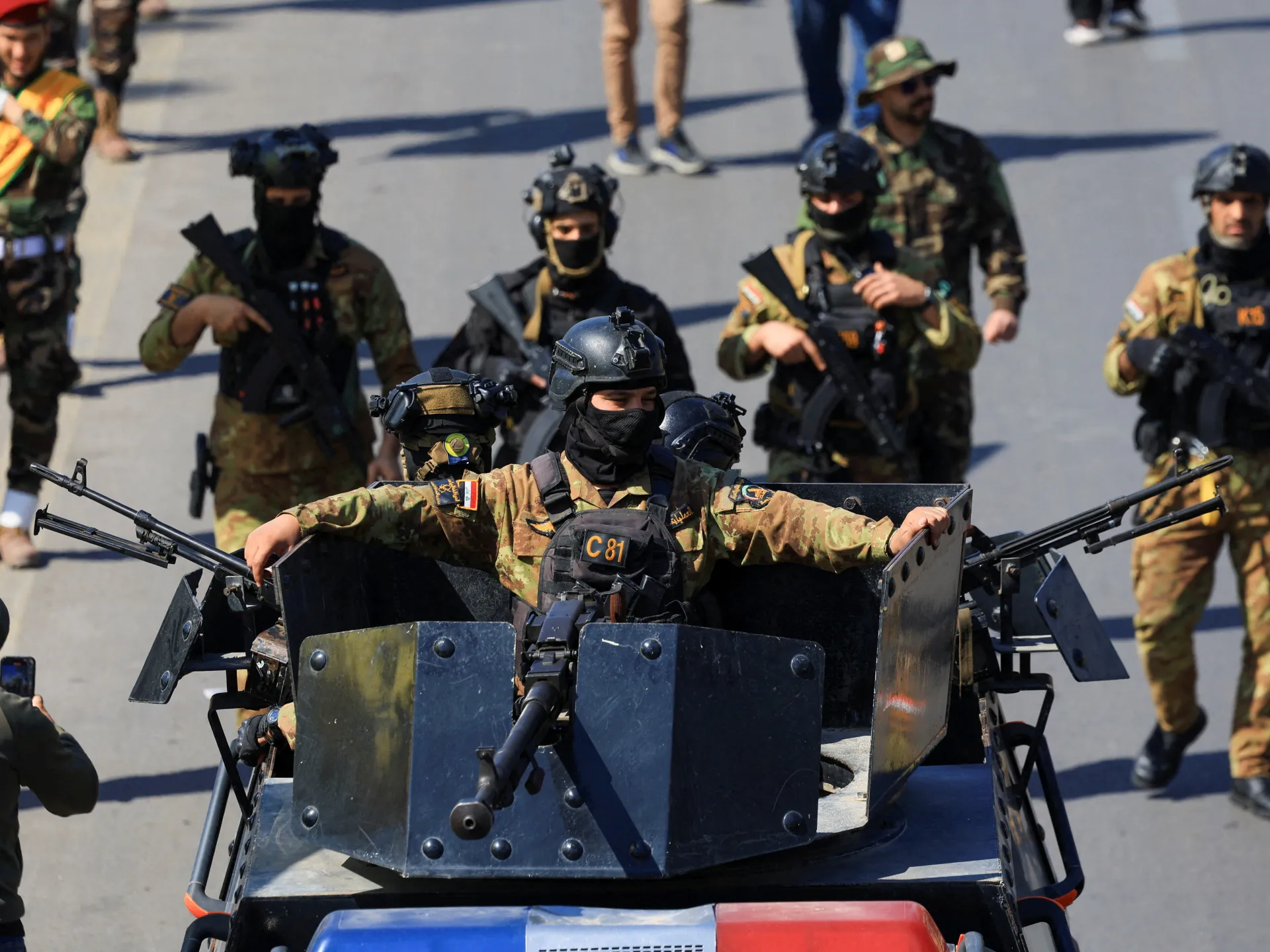
Iraq's new Prime Minister, Ali Zeidan, begins his term amidst complex challenges related to controlling Iran-backed Shia militias. These militias pose a significant obstacle to Zeidan's efforts to rebuild the Iraqi state, particularly in light of US conditions that demand their disarmament and dismantling.
The Iran-backed militias wield significant influence, holding around 80 parliamentary seats, as well as extensive tribal and economic roots. This dynamic makes it challenging for Zeidan to implement any plans to disarm these militias, especially since Iran refuses to compromise on the issue.
Event Details
Pressure on Zeidan is mounting from the US, which seeks to reduce the influence of armed militias in Iraq. Meanwhile, Iran continues to support these militias, further complicating the situation. Experts believe that the problem lies not in the lack of a solution, but in the complexity of implementation, particularly given the timeline imposed by Washington.
A scenario in which Zeidan manages to control these militias seems unlikely, given the deep-seated interests and influences at play. The US has been pushing for the disarmament of these militias, but Iran's refusal to cooperate has created a stalemate.
Background & Context
The rise of Iran-backed militias in Iraq is a relatively recent phenomenon, dating back to the US-led invasion in 2003. Since then, these militias have grown in strength and influence, often filling the power vacuum left by the collapse of the Iraqi state. The 80 parliamentary seats held by these militias give them significant leverage in Iraqi politics, allowing them to shape policy and block any attempts to disarm them.
The US has been critical of these militias, viewing them as a threat to regional stability and a conduit for Iranian influence. However, Iran sees these militias as a vital component of its regional strategy, providing a means to project power and protect its interests in Iraq and beyond.
Impact & Consequences
The failure to control these militias has significant consequences for Iraq and the region. The continued presence of armed militias undermines the authority of the Iraqi state, creating an environment of instability and violence. This, in turn, provides a fertile ground for extremist groups like ISIS to flourish, posing a threat to regional security.
The economic implications are also significant, as the influence of these militias can distort the Iraqi economy and create opportunities for corruption and smuggling. The Iranian-backed militias have been accused of involvement in various illicit activities, including oil smuggling and money laundering.
Regional Significance
The issue of Iran-backed militias in Iraq has significant regional implications, particularly in the context of the ongoing struggle for influence between the US and Iran. The US views the disarmament of these militias as a key component of its regional strategy, aimed at reducing Iranian influence and promoting stability.
However, Iran sees the militias as a vital component of its regional strategy, providing a means to project power and protect its interests. The failure to control these militias has significant consequences for the region, potentially destabilizing the fragile balance of power and creating opportunities for extremist groups to flourish.
In conclusion, the challenge of controlling Iran-backed militias in Iraq is a complex and multifaceted issue, with significant implications for the region. The new Iraqi Prime Minister, Ali Zeidan, faces an uphill battle in his efforts to disarm these militias, particularly given the deep-seated interests and influences at play.