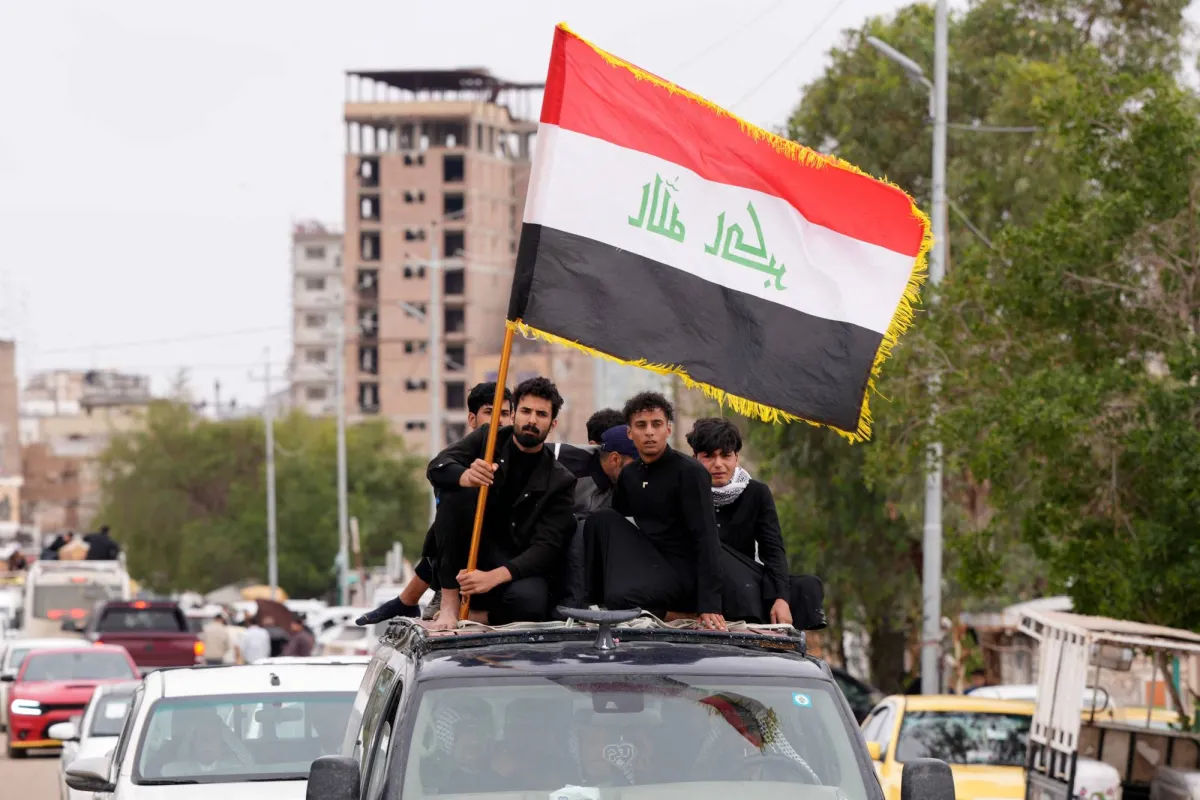
Iraqi security sources disclosed yesterday that investigations into the attacks targeting diplomatic and security sites have made significant progress, indicating that information about the perpetrators is available following the arrest of several members of armed factions against whom arrest warrants were issued.
The sources reported the detention of a group suspected of being involved in targeting a U.S. base in Syria and the U.S. embassy in Baghdad, reflecting an escalation in unofficial military activities that threaten the country's stability.
Details of the Incident
These developments come at a time when the head of the Supreme Judicial Council, Faiq Zidan, warned of "serious repercussions" resulting from some factions and unofficial entities making military decisions independently, noting that this represents a violation of the constitution and exposes Iraq to risks of international isolation and sanctions.
The sources also suggested that more arrest warrants may be issued against others for violating laws, amid rising concerns about the impact of these attacks on Iraq's foreign relations.
Background & Context
Historically, Iraq has witnessed an increase in military activities by armed factions, especially following the U.S. withdrawal from the country in 2011. With growing international pressures, Iraq is seeking to regulate these factions, which often act independently.
In this context, President Abdul Latif Jamal Rashid reaffirmed Iraq's position against war, expressing concern over the widening scope of conflict in the region. This came during a phone call with his Iranian counterpart, Masoud Bezhakian, where he emphasized that the continuation of war does not serve the interests of any country in the region.
Impact & Consequences
Concerns are mounting that these attacks could lead to greater escalation in regional tensions, potentially placing Iraq under additional international pressures. Furthermore, the continuation of these activities could negatively affect the Iraqi government's efforts to enhance stability and rebuild relations with the international community.
At the same time, officials warned that these attacks could lead to a deterioration of relations with the United States, which may impact the military and economic support that Washington provides to Iraq.
Regional Significance
The repercussions of these events extend beyond Iraq's borders, affecting regional security and intensifying tensions between armed factions and neighboring countries. The escalation of military activities could also open the door to new external interventions, complicating the situation in the region.
In conclusion, the question remains as to how the Iraqi government will deal with these armed factions and whether it will be able to regain control of the security situation in the country.